
Tuesday 04 March 2025
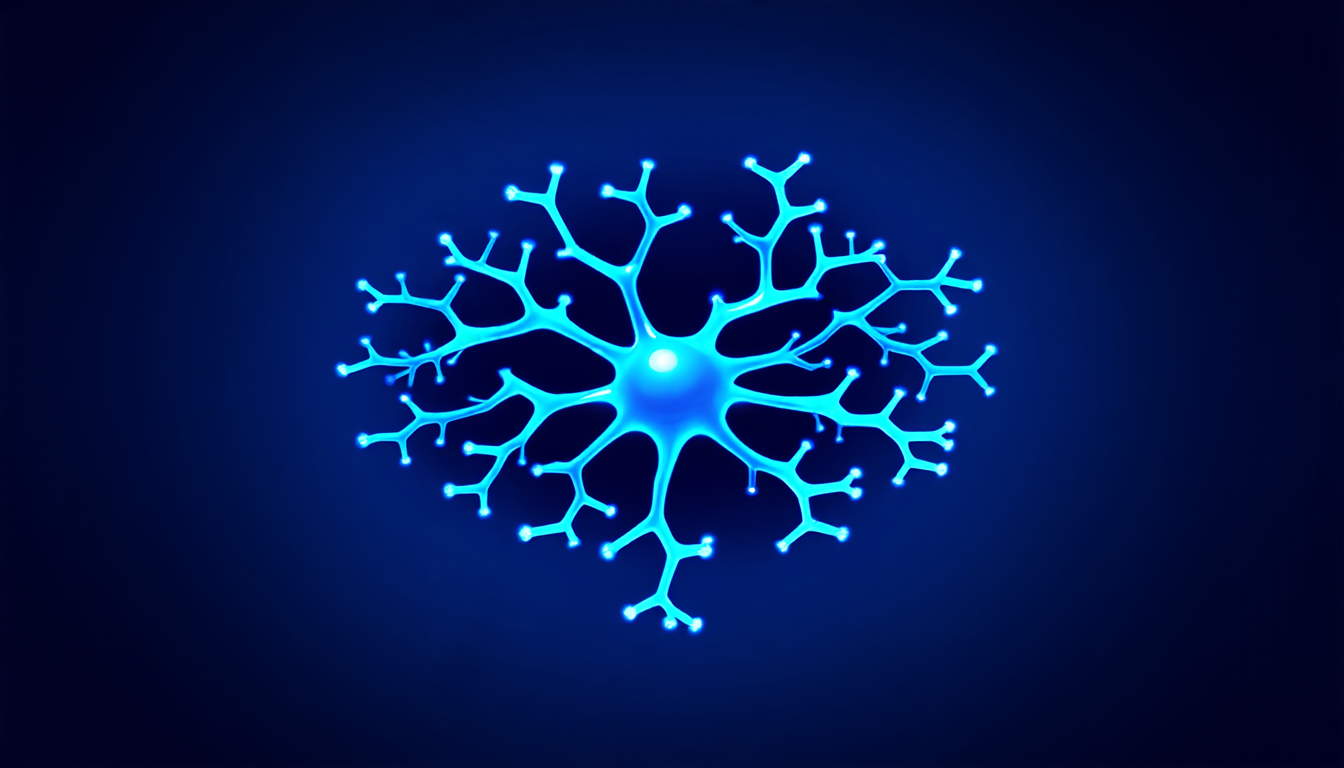
Scientists have long sought to create artificial neural networks that mimic the complex behavior of real brains. A recent study has made significant progress in this area by developing a new model that can accurately predict the behavior of neurons in vitro, or in a laboratory dish.
The researchers used a combination of experimental data and computational simulations to develop their model. They began by creating a synthetic culture of neurons, which they then exposed to various stimuli to observe how the neurons responded. At the same time, they used mathematical models to simulate the behavior of the neurons and predict how they would respond to different stimuli.
The team found that the simulated neurons behaved similarly to the real neurons in vitro, exhibiting complex patterns of activity and synchronization. They also discovered that the model could accurately predict the behavior of the neurons even when the experimental conditions were changed.
This study has important implications for our understanding of neural networks and how they process information. It suggests that artificial neural networks can be designed to mimic the complex behavior of real brains, which could have significant applications in fields such as medicine and computing.
One of the key challenges in developing artificial neural networks is creating a model that accurately captures the behavior of neurons in vitro. In this study, the researchers used a combination of experimental data and computational simulations to develop their model. They began by creating a synthetic culture of neurons, which they then exposed to various stimuli to observe how the neurons responded.
The team found that the simulated neurons behaved similarly to the real neurons in vitro, exhibiting complex patterns of activity and synchronization. They also discovered that the model could accurately predict the behavior of the neurons even when the experimental conditions were changed.
This study has important implications for our understanding of neural networks and how they process information. It suggests that artificial neural networks can be designed to mimic the complex behavior of real brains, which could have significant applications in fields such as medicine and computing.
The researchers used a variety of techniques to develop their model, including machine learning algorithms and statistical analysis. They also used a range of experimental methods, including calcium imaging and electrophysiology, to study the behavior of the neurons in vitro.
Overall, this study represents an important step forward in our understanding of neural networks and how they process information. It suggests that artificial neural networks can be designed to mimic the complex behavior of real brains, which could have significant applications in fields such as medicine and computing.
Cite this article: “Simulating Brain-Like Behavior: A Breakthrough in Artificial Neural Networks”, The Science Archive, 2025.
Artificial Neural Networks, Neural Networks, Brain Simulation, Machine Learning, Statistical Analysis, Calcium Imaging, Electrophysiology, Neuron Behavior, Synaptic Plasticity, Computational Neuroscience.