

Tuesday 04 March 2025
Scientists have long been fascinated by materials that can change shape in response to temperature changes, known as shape-memory polymers (SMPs). These materials have many potential applications, such as in soft robotics and medical devices. However, SMPs are often limited by their inability to undergo multiple shape transformations, a process called two-way shape memory.
Researchers have recently made significant progress in developing SMPs that can exhibit two-way shape memory, allowing them to change shape not just once, but repeatedly. This achievement is the result of years of research and experimentation by scientists from various institutions.
The key to creating these SMPs lies in their molecular structure. Traditional SMPs are composed of long chains of molecules that are capable of rearranging themselves when heated or cooled. However, these materials often suffer from limited reversibility, meaning they can only change shape once before returning to their original state.
To overcome this limitation, scientists have developed new SMPs with a unique molecular architecture. These materials consist of a combination of crystalline and amorphous regions within the polymer chain. When heated or cooled, these regions can interact with each other in complex ways, allowing for multiple shape transformations.
One of the most promising developments is the use of semi-crystalline polymers, which exhibit a broad melting transition range. This means that they can undergo phase transitions over a wide temperature range, making them more versatile and useful in real-world applications.
The researchers tested their new SMPs using various experiments, including mechanical testing and thermal analysis. They found that the materials were able to undergo multiple shape transformations with high reversibility, meaning they could change shape repeatedly without losing their ability to return to their original state.
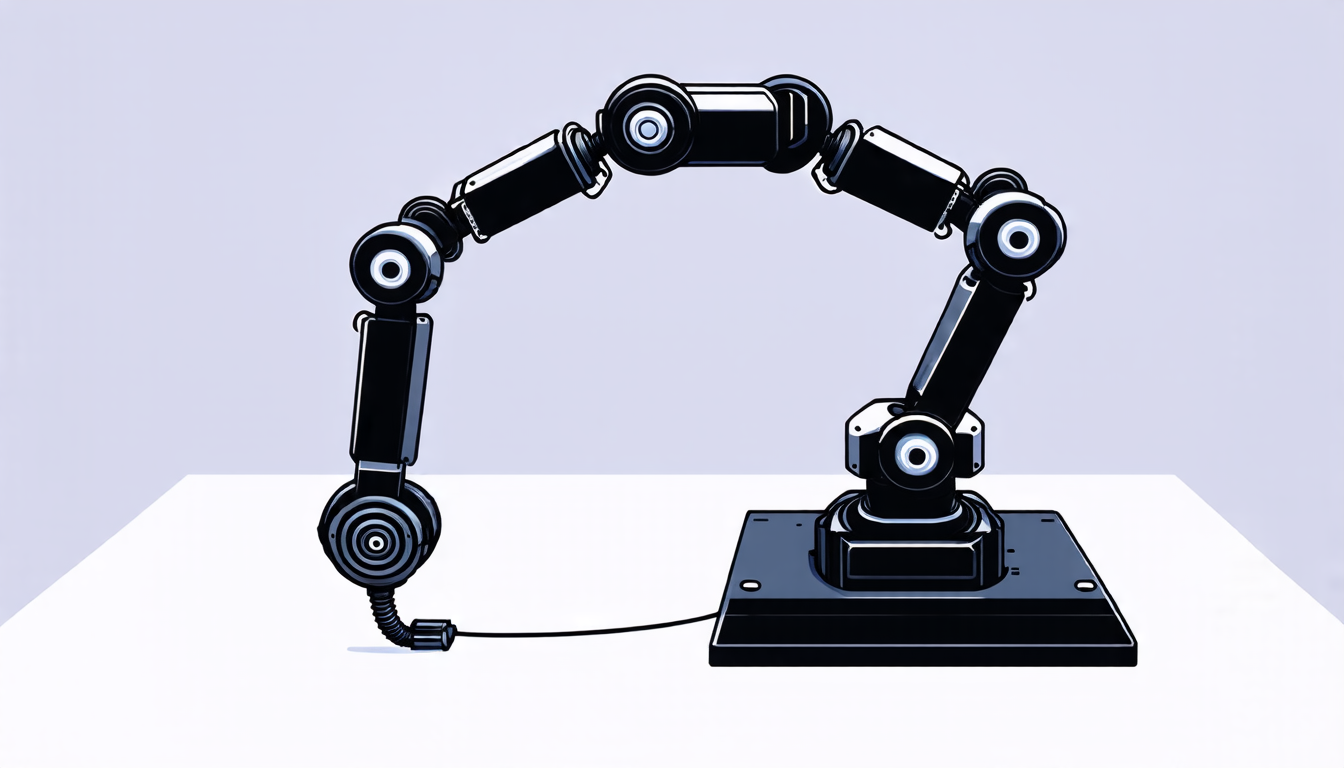
The potential applications of these new SMPs are vast. For example, they could be used in soft robotics to create devices that can adapt to changing environments, such as a robotic arm that can adjust its shape to fit into tight spaces. They could also be used in medical devices, such as stents that can change shape to allow for blood flow or implantable devices that can adjust their shape to accommodate changes in the body.
While there is still much work to be done to fully understand and develop these new SMPs, the potential benefits are clear. With further research and experimentation, it’s likely that we’ll see these materials used in a wide range of applications, from robotics to medicine and beyond.
Cite this article: “Shape-Memory Polymers Breakthrough: Enabling Repeated Shape Transformations”, The Science Archive, 2025.
Shape-Memory Polymers, Smps, Two-Way Shape Memory, Soft Robotics, Medical Devices, Molecular Structure, Crystalline Regions, Amorphous Regions, Semi-Crystalline Polymers, Phase Transitions.





