

Tuesday 04 March 2025
A team of researchers has made a significant breakthrough in developing a new method for peer-to-peer learning, which enables multiple machines or devices to learn and improve together without relying on a central authority.
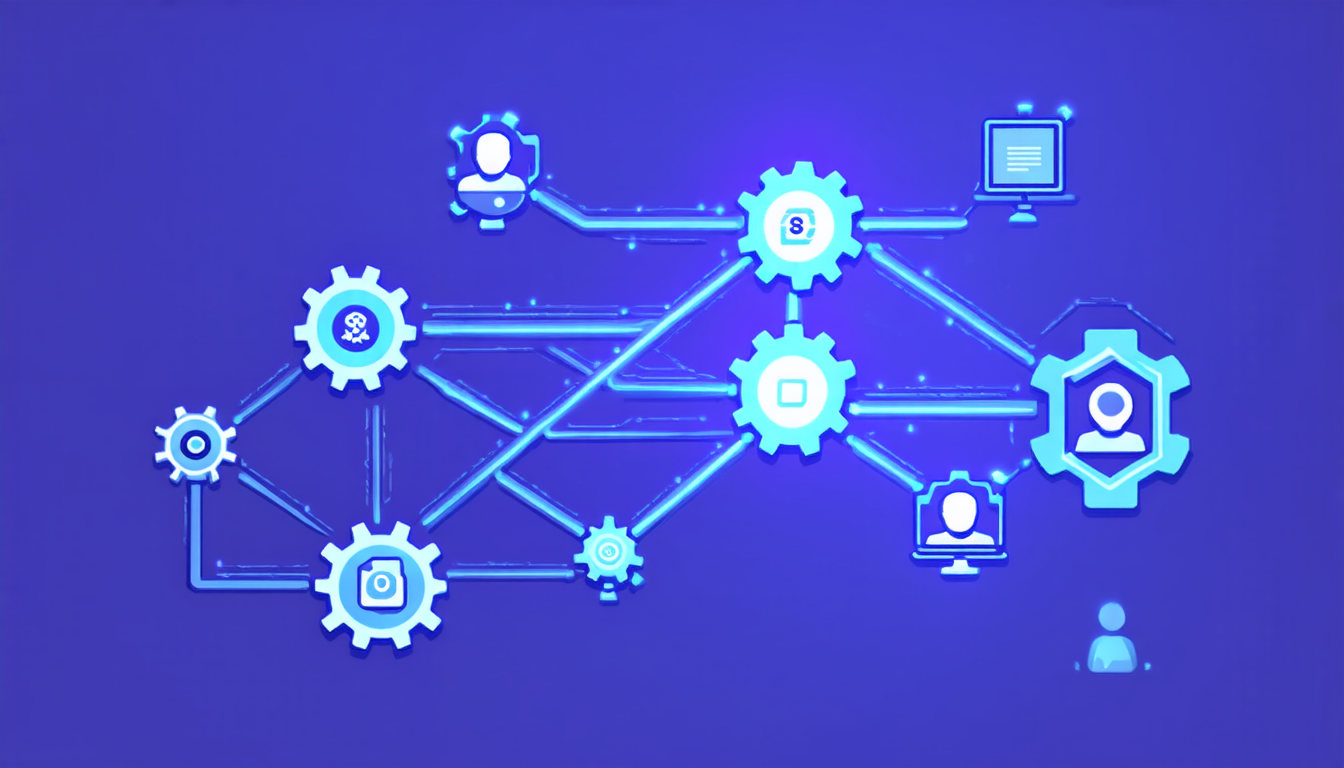
The traditional approach to machine learning involves collecting data from various sources and processing it centrally. However, this can be problematic, especially when dealing with large amounts of data or sensitive information. Peer-to-peer learning offers an alternative solution by allowing each device to learn from its neighbors, creating a decentralized network that is more resilient and efficient.
The new method, dubbed adaptive aggregation, uses a novel approach to combining the knowledge gained from each neighbor. By focusing on the similarity between the devices’ learning processes, the algorithm can identify which information is most relevant and trustworthy, effectively filtering out any malicious or incorrect data.
This approach has several advantages over traditional methods. For one, it allows for faster processing times, as each device only needs to communicate with its immediate neighbors rather than a central authority. Additionally, the decentralized nature of the network makes it more resistant to attacks or failures, as there is no single point of failure.
The researchers tested their algorithm on several real-world datasets, including human activity recognition, digit classification, and spam detection. In each case, they found that their adaptive aggregation method outperformed traditional approaches, even in the presence of malicious data.
One of the most significant benefits of this technology is its potential to improve the security and efficiency of decentralized machine learning systems. By allowing devices to learn from one another without relying on a central authority, peer-to-peer learning can reduce the risk of data breaches and increase the speed at which machines can learn and adapt.
The researchers believe that their adaptive aggregation method has far-reaching implications for many fields, including healthcare, finance, and education. For example, it could be used to create more accurate and personalized medical diagnoses, or to improve the efficiency of financial transactions.
As our reliance on technology continues to grow, developing more secure and efficient machine learning algorithms like this one is crucial. With its potential to revolutionize decentralized learning, this breakthrough has significant implications for many areas of our lives.
Cite this article: “Decentralized Learning Breakthrough: Adaptive Aggregation Method Revolutionizes Machine Intelligence”, The Science Archive, 2025.
Machine Learning, Peer-To-Peer Learning, Adaptive Aggregation, Decentralized Network, Data Security, Efficiency, Malicious Data, Data Breaches, Algorithm, Breakthrough





