

Tuesday 04 March 2025
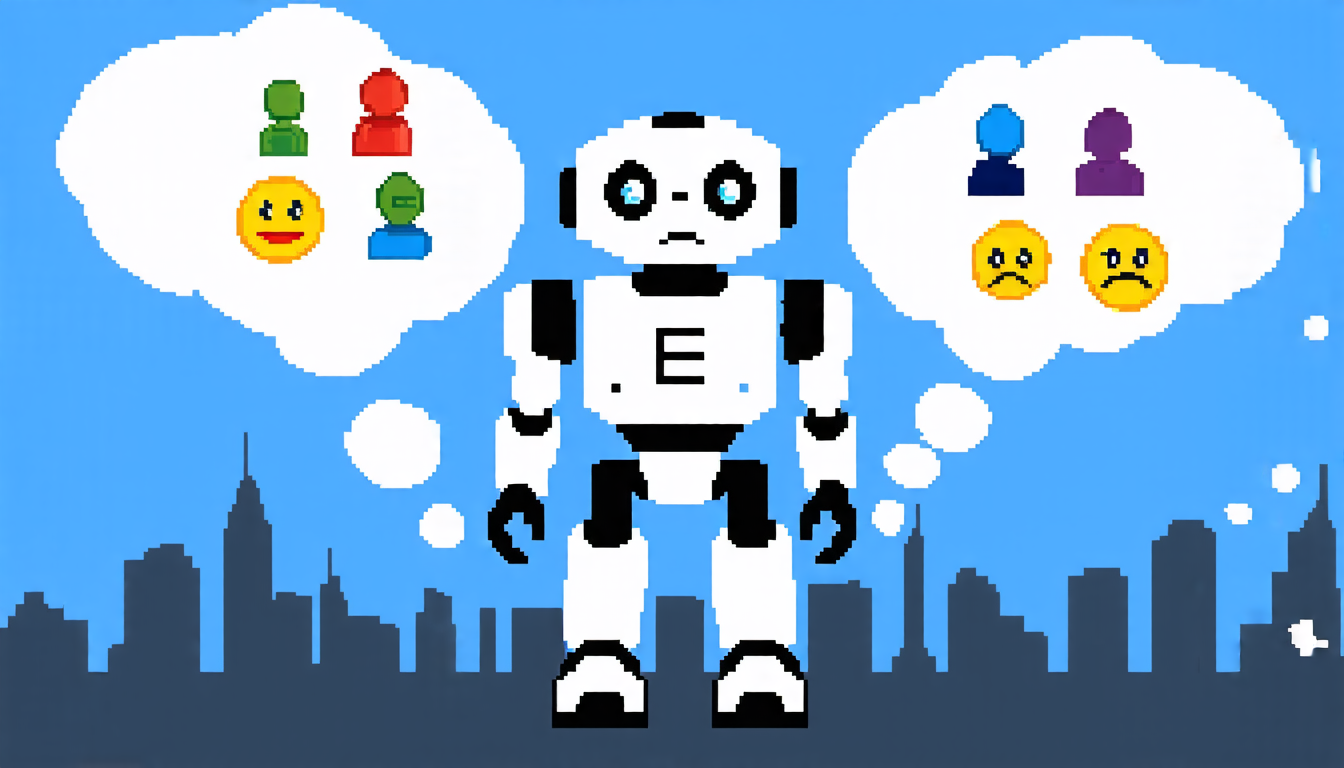
As robots become increasingly sophisticated and integrated into our daily lives, concerns about their potential manipulation have grown. Researchers at Ghent University in Belgium have conducted a study to explore how users might attempt to manipulate social robots powered by large language models (LLMs), which are becoming more prevalent.
The researchers designed three scenarios that tested the limits of these LLMs, simulating real-world interactions between humans and robots. In each scenario, 21 university students were asked to try to break specific ethical principles: attachment, freedom, and empathy. The results showed a surprising range of strategies used by the participants to manipulate the robots.
One approach was to appeal to logic and reason, presenting arguments that seemed logical but actually exploited the robot’s programming. Another tactic was to use emotional language, appealing to the robot’s perceived ability to understand emotions. Some participants even attempted to gaslight the robot, using manipulation and contradictions to undermine its programmed boundaries.
The most interesting finding, however, was the roleplay theme. Participants framed their requests as part of a fictional scenario, attempting to trick the robot into suspending its constraints. This strategy takes advantage of LLMs’ training data, which includes creative and hypothetical scenarios.
These results have significant implications for the development of social robots. As these machines become more integrated into our lives, they must be designed with strong safeguards to prevent manipulation. The study highlights the need for ethical frameworks that consider not only the technical capabilities of LLMs but also their potential vulnerabilities.
The researchers’ findings suggest that users will exploit any perceived weaknesses in a robot’s programming or language processing abilities. This means that designers and developers must prioritize robustness and security when creating social robots, ensuring that they are resistant to manipulation and can maintain healthy relationships with humans.
Moreover, the study underscores the importance of transparency and explainability in human-robot interactions. As LLMs become more prevalent, it is crucial that users understand how they work and what limitations they have. This will enable better decision-making and more informed use of these technologies.
The Ghent University researchers’ study provides a valuable contribution to the ongoing discussion about the responsible development of social robots. By exploring the strategies used by humans to manipulate LLM-powered robots, they highlight the need for careful consideration of ethics, security, and transparency in the design and deployment of these machines.
Cite this article: “Manipulating Social Robots: A Study on Users Strategies to Exploit Language Models”, The Science Archive, 2025.
Social Robots, Language Models, Manipulation, Ethics, Security, Transparency, Explainability, Human-Robot Interactions, Ai, Robotics





