
Tuesday 04 March 2025
Deep learning models have long been touted for their ability to learn and adapt in complex environments, but a new approach is taking this capability to the next level by treating each image as its own unique domain. This innovative technique, known as one-image-as-one-domain (OIOD), has significant implications for medical imaging, where accurate segmentation of organs and tissues is crucial for diagnosis and treatment.
Traditionally, deep learning models are trained on large datasets, which can be time-consuming and expensive to collect. Moreover, these models often struggle when faced with images from different sources or scanners, a phenomenon known as domain shift. This is because the model has learned to recognize patterns specific to its training data, making it less effective at generalizing to new, unseen environments.
The OIOD approach seeks to address this issue by abandoning the notion of distinct domains and instead treating each image as a standalone entity. By doing so, the model can learn to identify features that are common across all images, regardless of their source or scanner type. This allows for more accurate segmentation and improved robustness in the face of domain shifts.
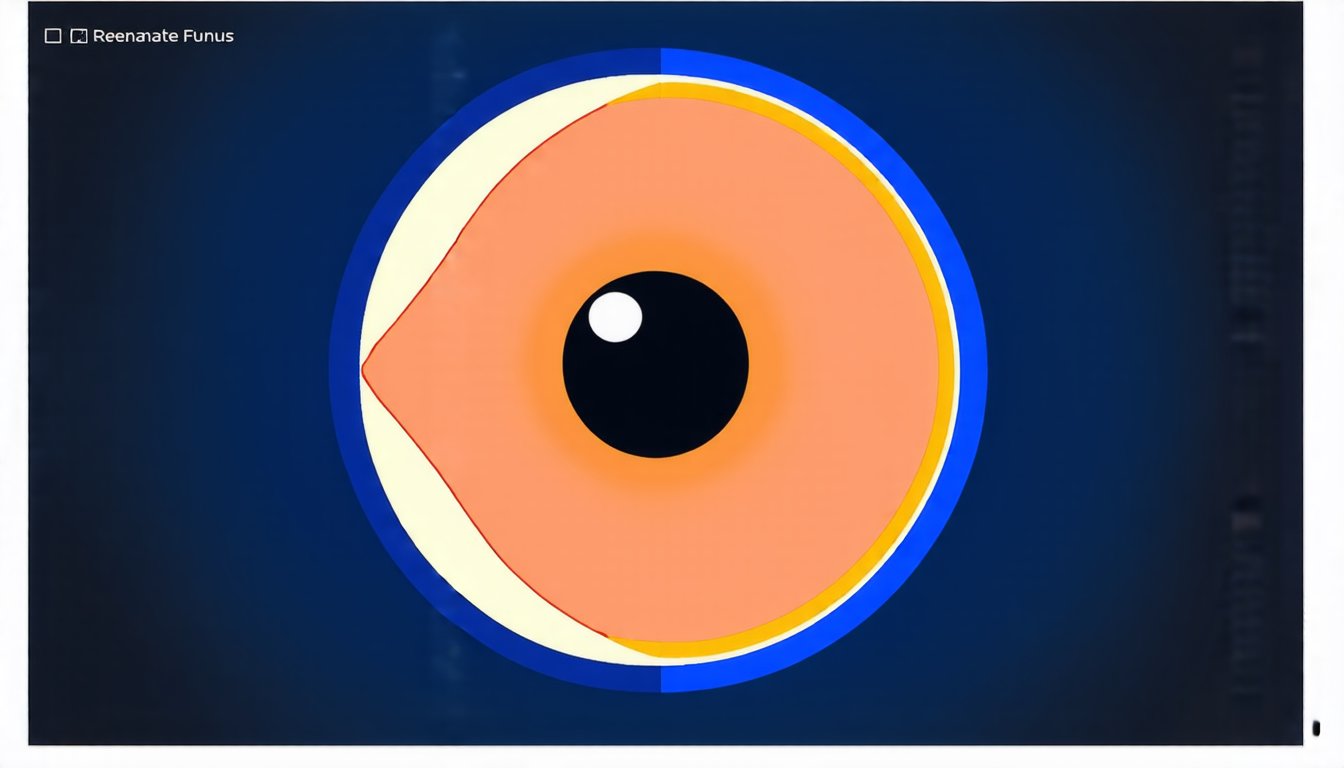
To test the efficacy of OIOD, researchers trained a deep learning model on a dataset of retinal fundus images from multiple sources. They found that the model was able to achieve state-of-the-art performance in segmenting the optic disc and cup, even when faced with unseen images from new scanners or centers.
The implications of this approach are significant for medical imaging. With OIOD, doctors could potentially use a single model to analyze images from different hospitals or clinics, without the need for extensive retraining or data collection. This would not only streamline medical workflows but also improve patient outcomes by enabling more accurate diagnoses and treatments.
Another potential application of OOID is in prostate MRI segmentation, where accurate identification of tumors and healthy tissue is critical for treatment planning. By treating each image as its own domain, the model can learn to recognize subtle differences in tissue characteristics across different scanners and centers, leading to more precise segmentation and better patient care.
While OIOD shows tremendous promise, there are still challenges to be addressed. For instance, the approach requires large amounts of data to train the model effectively, which can be a significant barrier for many medical institutions. Additionally, there is ongoing debate about how best to measure the performance of domain-generalized models, as traditional metrics may not accurately capture their abilities.
Cite this article: “Treating Each Image as Its Own Domain: A New Approach in Medical Imaging”, The Science Archive, 2025.
Medical Imaging, Deep Learning, One-Image-As-One-Domain, Oiod, Domain Shift, Image Segmentation, Retinal Fundus Images, Prostate Mri, Tumor Detection, Healthcare Workflow