

Tuesday 04 March 2025
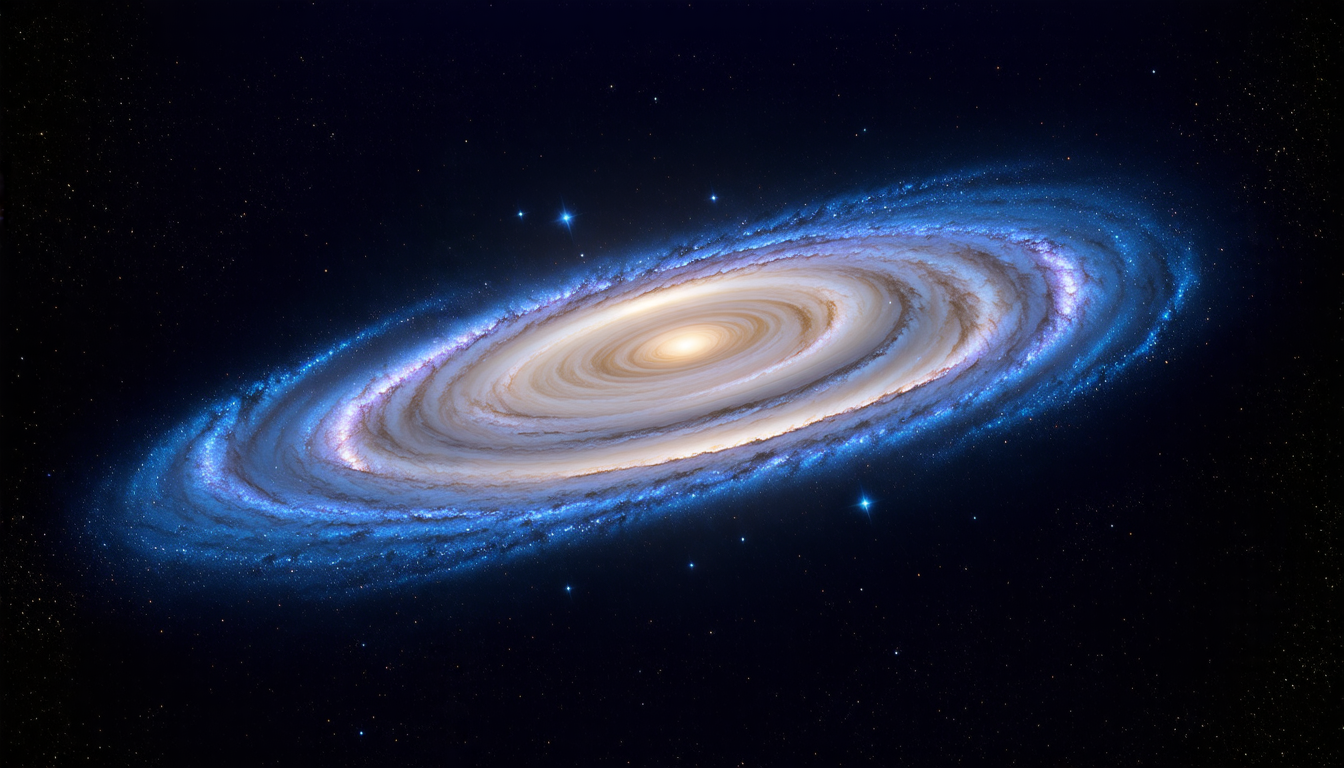
Scientists have long been fascinated by the mysterious evolution of galaxies, particularly those that were once massive and now lie dormant in the distant universe. A recent study has shed new light on this phenomenon, offering a glimpse into the lives of these behemoths.
The research focused on quiescent galaxies, which are massive galaxies that stopped forming stars billions of years ago. These galaxies are thought to have once been the hubs of vibrant star-forming activity, but over time, they mysteriously slowed down their production of new stars. The study aimed to uncover the secrets behind this sudden slowdown.
To achieve this, scientists used data from the Hubble Space Telescope and the James Webb Space Telescope to analyze the light emitted by these quiescent galaxies. By studying the light’s wavelength and intensity, researchers were able to determine the mass, size, and age of these galaxies.
The results revealed a surprising trend: the more massive quiescent galaxies are, the larger their half-mass radii – the distance from the center of the galaxy where half of its total mass resides. This suggests that massive galaxies may have undergone a different evolutionary path than smaller ones.
One possible explanation for this phenomenon is that massive galaxies experienced a surge in star formation early on, followed by a rapid slowdown as they exhausted their fuel supply. This would have led to the formation of larger, more diffuse structures, which are now observed as quiescent galaxies.
Another theory proposes that these massive galaxies may have undergone mergers with smaller galaxies, resulting in the growth of their half-mass radii. This idea is supported by observations of galaxy clusters and the distribution of stars within them.
The study also found that there is no significant difference between young and old quiescent galaxies in terms of their size evolution. This implies that the slowdown in star formation was a gradual process that occurred over billions of years, rather than a sudden event.
These findings have important implications for our understanding of galaxy evolution. They suggest that massive galaxies may have undergone distinct evolutionary paths, driven by factors such as mergers and changes in fuel supply. The results also highlight the importance of considering the size and mass of quiescent galaxies when studying their evolution.
The study’s findings will likely spark further research into the mysterious lives of quiescent galaxies. By continuing to explore these enigmatic objects, scientists hope to uncover the secrets behind their transformation from vibrant star-forming hubs to dormant, massive galaxies in the distant universe.
Cite this article: “Mysterious Evolution of Quiescent Galaxies Revealed”, The Science Archive, 2025.
Galaxies, Quiescent, Star Formation, Evolution, Hubble Space Telescope, James Webb Space Telescope, Mergers, Fuel Supply, Galaxy Clusters, Size Evolution





