
Wednesday 05 March 2025
Scientists have long struggled to accurately classify people’s occupations, a task that seems straightforward but proves to be surprisingly complex. You might think that asking someone what they do for a living would yield a simple answer, but in reality, occupational classifications are often ambiguous and context-dependent.
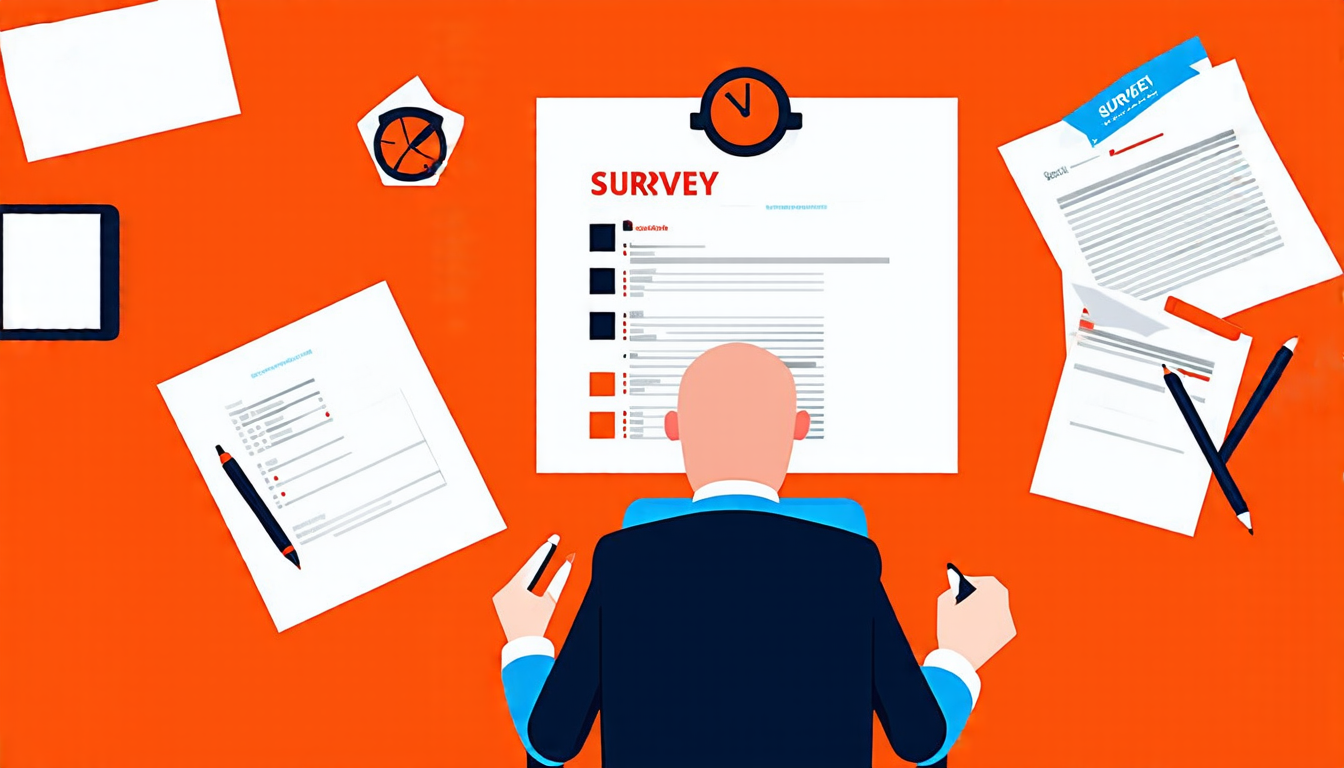
Researchers at the Ludwig-Maximilians-University in Munich set out to investigate how different question wordings affect people’s responses when asked about their occupations. They conducted a survey experiment with over 1,000 participants, presenting them with two variations of an occupational question: one that asked for their job title and another that asked for detailed descriptions of their tasks.
The results showed that respondents were more likely to provide longer answers when given the task-based question, but surprisingly, their responses didn’t become more diverse. Instead, they tended to use similar words and phrases regardless of the question wording. This suggests that people have a limited mental repertoire of occupational descriptors, which they draw upon when answering questions.
The study also found that automatic coding tools, used to classify occupations from survey data, performed better with job title responses than task-based descriptions. This is because these tools are trained on large datasets and tend to focus on the most common and recognizable words in each occupation’s label.
These findings have significant implications for researchers who rely on occupational classifications to understand social trends, employment patterns, and economic outcomes. They highlight the importance of carefully designing survey questions that elicit accurate and diverse responses. By doing so, researchers can improve the quality of their data and gain a more nuanced understanding of people’s occupations and their relationships with other aspects of life.
In practical terms, this study suggests that survey designers should consider providing examples or prompts to help respondents provide more detailed and context-specific answers. This could involve asking follow-up questions about specific tasks or duties, or offering examples of different occupations and their corresponding activities.
Ultimately, the study underscores the complexity of human communication and our limited ability to capture the richness and variability of people’s experiences through surveys and questionnaires. By acknowledging these limitations and working to improve the quality of our data collection methods, researchers can better understand the world around us and make more informed decisions about how to address its many challenges.
Cite this article: “Occupational Classifications: The Elusive Quest for Accuracy”, The Science Archive, 2025.
Occupations, Classification, Survey, Question Wording, Task-Based, Job Title, Coding Tools, Data Quality, Research, Communication