
Wednesday 05 March 2025
Scientists have made significant progress in developing a deep learning model that can accurately predict the binding affinity of ErbB inhibitors, a crucial step in the discovery of new cancer treatments. This achievement is particularly noteworthy given the complexity of the task and the vast amount of data involved.
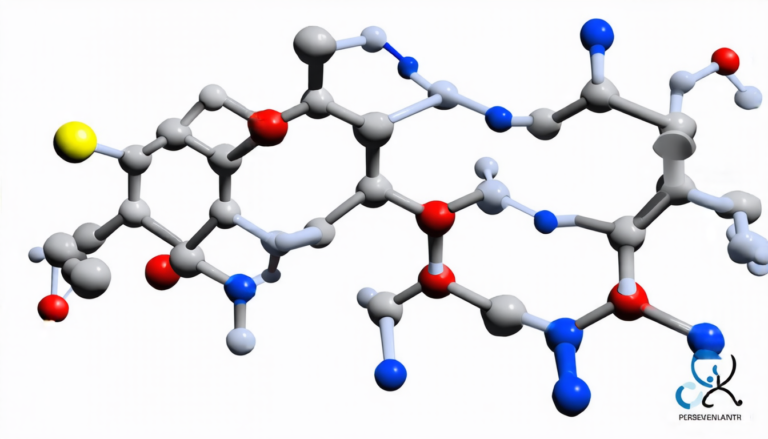
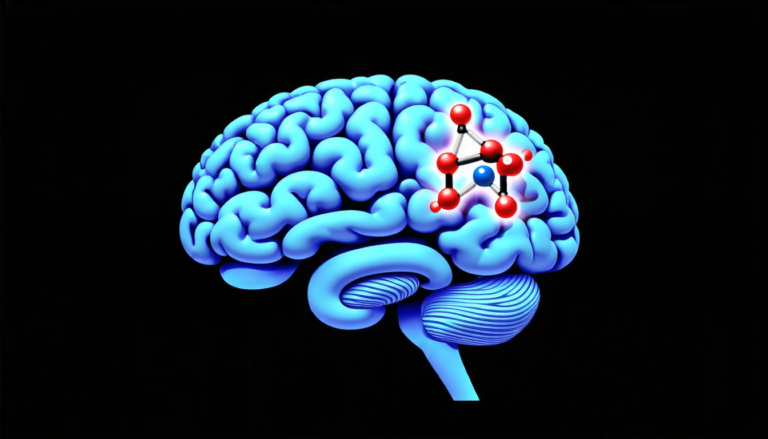
To understand how this was achieved, let’s take a step back and look at what’s happening when an ErbB inhibitor binds to its target protein. Think of it like a lock and key: the inhibitor is designed to fit perfectly into the active site of the protein, disrupting its normal function. But finding the right combination of molecules that can bind effectively is a daunting task.
Researchers have been using a technique called molecular docking to try and predict how well different molecules will bind to the protein. This involves generating a virtual library of potential inhibitors and then simulating their interactions with the protein using computer algorithms. However, this approach has its limitations – it’s not always accurate and can be time-consuming.
That’s where deep learning comes in. By training a neural network on a large dataset of known binding affinities, scientists can teach it to recognize patterns and relationships between the molecules and their binding properties. This allows them to make predictions about new, unseen molecules with remarkable accuracy.
In this study, researchers used a combination of molecular fingerprints and deep learning to predict the binding affinity of ErbB inhibitors. They started by generating Morgan fingerprints for each molecule in the dataset – essentially, a unique digital fingerprint that captures its chemical structure. Then, they used these fingerprints as input into a neural network designed specifically for regression tasks.
The results were impressive: the model was able to accurately predict the binding affinity of ErbB inhibitors with an R-squared value of 0.93 on the training set and 0.77 on the test set. This means that it can correctly predict how well a molecule will bind to its target protein about 93% of the time, even when it’s never seen before.
But what does this mean in practical terms? For cancer researchers, it means having a powerful tool for identifying potential new treatments that can be tested and refined. It also opens up possibilities for personalized medicine – if scientists can develop a deep learning model that can predict how well an individual patient’s tumor will respond to a particular treatment, they may be able to tailor their therapy accordingly.
Of course, there are still challenges ahead.
Cite this article: “Predicting Cancer Treatment Efficacy with Deep Learning”, The Science Archive, 2025.
Cancer, Erbb Inhibitors, Deep Learning, Molecular Docking, Binding Affinity, Neural Network, Regression Tasks, Morgan Fingerprints, Chemical Structure, Personalized Medicine