

Thursday 06 March 2025
Artificial intelligence has long been touted as a panacea for complex problems, but it’s often limited by its reliance on vast amounts of data and computational power. What if you could train an AI to learn from just a few examples? That’s the promise of meta-learning, a field that’s gaining traction in both academia and industry.
At its core, meta-learning is about teaching machines to adapt quickly to new situations without needing a massive dataset or extensive computation. It’s like trying to learn a new language – you don’t need to memorize every word and grammar rule, but rather learn how to pick up on patterns and adjust your understanding as you go along.
In the field of system identification, which involves figuring out how complex systems work based on limited data, meta-learning is particularly useful. Researchers have long struggled with identifying dynamic systems, such as those found in power grids or chemical plants, because they often exhibit non-linear behavior that’s difficult to model.
A new paper published this week proposes a novel approach to system identification using neural networks and meta-learning. The authors show how their method can learn to identify complex systems from just a few examples, outperforming traditional methods on several benchmarks.
The key innovation is the use of a neural network architecture called a state-space model (SSM), which is designed specifically for system identification. Unlike traditional neural networks, which are trained on large datasets and then applied to new data, the SSM is trained in a meta-learning framework that allows it to adapt quickly to new situations.
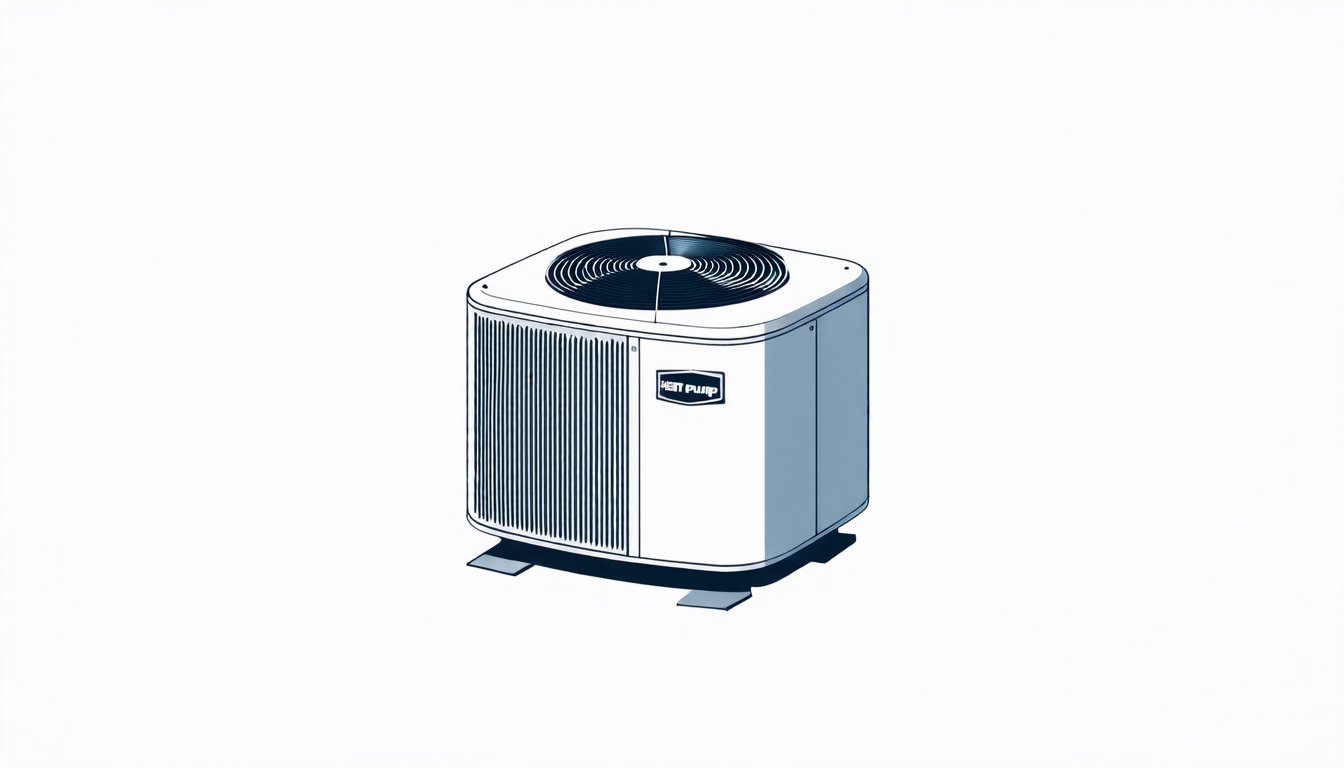
The authors demonstrate their method using two case studies: modeling the behavior of a heat pump and localizing a device using magnetic field measurements. In both cases, they show how their approach can learn to identify the system from just a few examples, outperforming traditional methods on several metrics.
One of the most impressive aspects of this work is its potential applications. The authors suggest that their method could be used in industries such as energy and manufacturing, where complex systems are common and accurate modeling is crucial for efficient operation. They also propose using meta-learning to improve the performance of existing control algorithms, which could lead to more efficient and reliable systems.
While there’s still much work to be done before this technology becomes widely adopted, the results are promising. By leveraging the power of neural networks and meta-learning, researchers may finally crack the code on complex system identification – a problem that has bedeviled scientists for decades.
Cite this article: “Teaching AI to Learn from Just a Few Examples”, The Science Archive, 2025.
Artificial Intelligence, Meta-Learning, System Identification, Neural Networks, State-Space Model, Complex Systems, Machine Learning, Data-Driven Modeling, Control Algorithms, Energy Industry





