
Thursday 06 March 2025
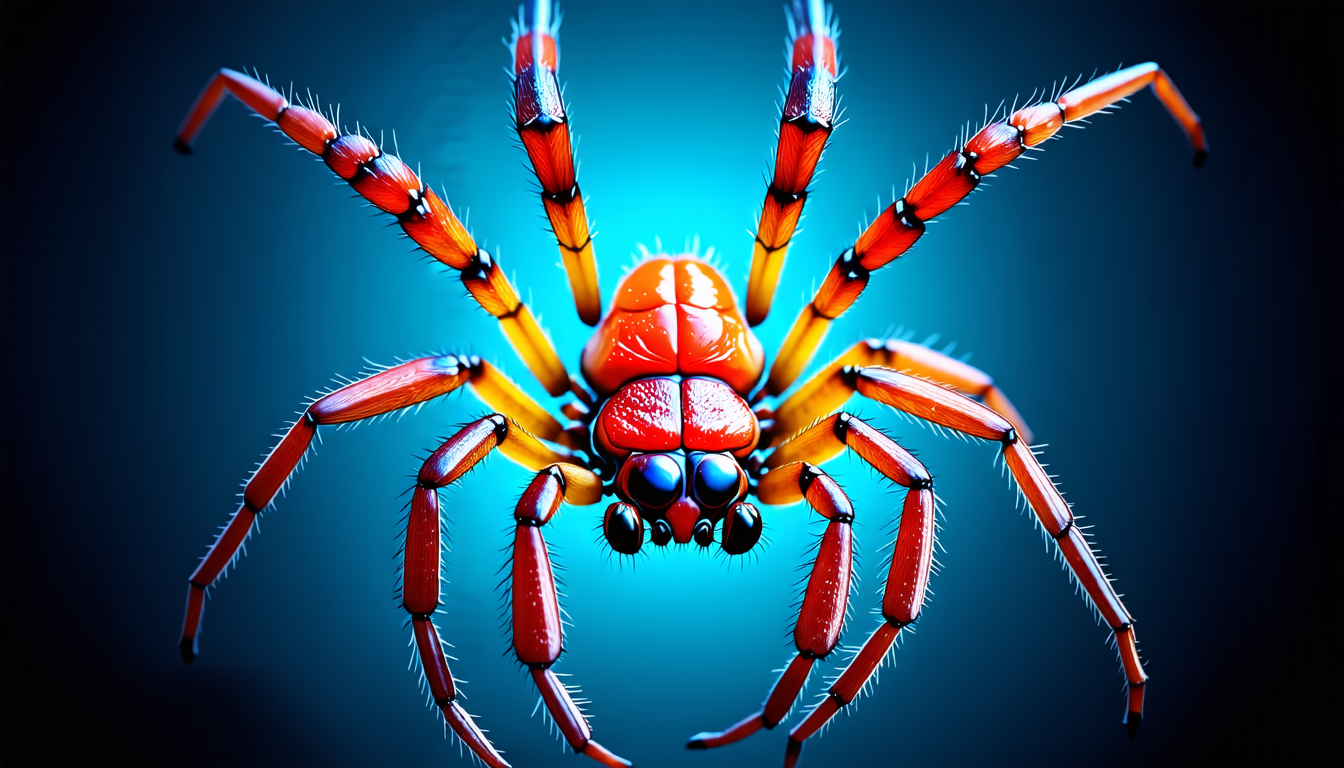
Scientists have long been fascinated by the incredible properties of spider silk, a material that is both incredibly strong and surprisingly lightweight. While humans have struggled to replicate this remarkable combination in synthetic materials, researchers have now made a major breakthrough in understanding how spider silk is able to achieve such impressive feats.
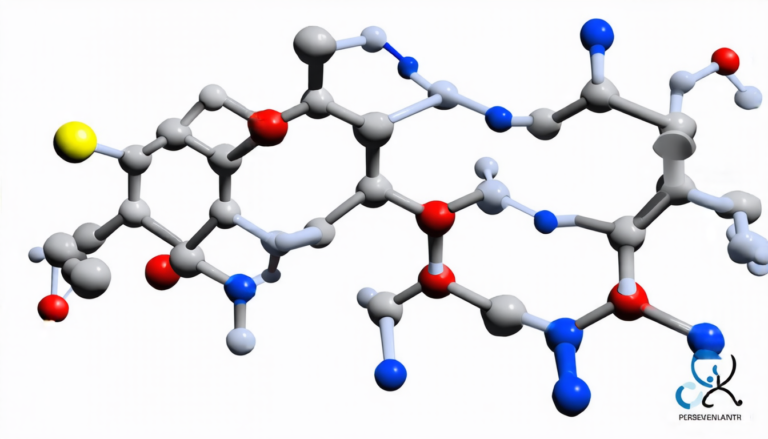
The key to spider silk’s strength lies in its unique molecular structure. Unlike other biological materials, which are typically composed of rigid molecules that are bonded together in a linear fashion, spider silk is made up of long chains of protein molecules that are twisted and tangled together like a rope.
This unusual arrangement allows the silk fibers to absorb and distribute stress more effectively than traditional materials, making them incredibly resilient. But how do spiders manage to create this intricate structure in the first place?
To answer this question, scientists have developed a new computational model that can simulate the process of spider silk production. By analyzing the molecular interactions involved in this process, they were able to identify key factors that contribute to the silk’s remarkable properties.
The model reveals that the unique twist and tangling of the protein molecules is crucial for creating the silk’s strength and elasticity. It also shows how the silk-producing glands within a spider’s abdomen work together to carefully control the molecular structure of the fibers, allowing them to fine-tune their properties as needed.
This new understanding could have major implications for the development of synthetic materials that mimic the properties of spider silk. Imagine being able to create fabrics and textiles that are both incredibly strong and lightweight, with potential applications in everything from medicine to aerospace engineering.
But the significance of this research extends far beyond just practical applications. By studying the intricate molecular interactions involved in spider silk production, scientists hope to gain a deeper understanding of the fundamental laws of biology and physics that govern the behavior of complex systems.
As researchers continue to explore the mysteries of spider silk, they may uncover new insights into the natural world that could have far-reaching implications for fields as diverse as medicine, materials science, and even artificial intelligence.
Cite this article: “Unlocking the Secrets of Spider Silks Remarkable Properties”, The Science Archive, 2025.
Spider Silk, Strength, Lightweight, Molecular Structure, Protein Molecules, Twisted, Tangled, Computational Model, Synthetic Materials, Biology, Physics.