
Thursday 06 March 2025
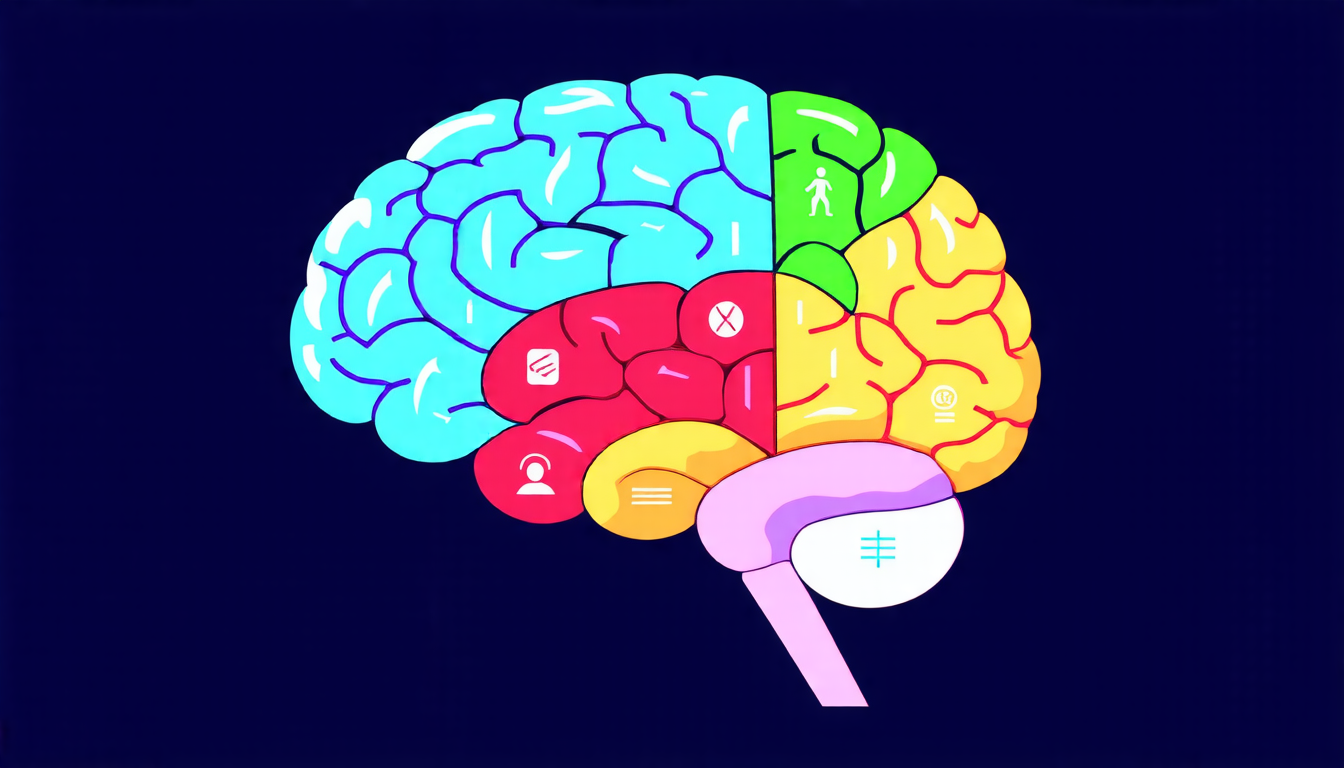
Scientists have made a significant breakthrough in medical imaging technology, allowing for faster and more accurate scans of the brain. The new method uses artificial intelligence to combine data from multiple MRI scans taken at different times, producing high-resolution images that can help diagnose and treat neurological disorders.
Traditionally, MRI scans are taken individually and separately, which can be time-consuming and may not provide a complete picture of the brain’s structure and function. The new approach, called joint multiscale energy (J-MUSE), uses machine learning algorithms to combine data from multiple scans, creating a more detailed and accurate image of the brain.
The J-MUSE method is particularly useful for imaging the brain’s complex structures, such as the cerebellum and hippocampus, which are difficult to visualize using traditional MRI techniques. By combining data from multiple scans, J-MUSE can produce images with higher spatial resolution and better contrast than individual scans, allowing doctors to more accurately diagnose conditions such as Alzheimer’s disease, Parkinson’s disease, and stroke.
The researchers used a 3D radial inversion recovery sequence, which is a type of MRI scan that takes longer to complete but produces higher-quality images. They then used machine learning algorithms to combine data from multiple scans taken at different times, creating a high-resolution image of the brain.
One of the most significant advantages of J-MUSE is its ability to reduce scan time. Traditional MRI scans can take up to 9 minutes to complete, while J-MUSE can produce accurate images in just 2.5 minutes. This faster scan time makes it possible for doctors to quickly diagnose and treat patients with neurological disorders.
The researchers tested J-MUSE on data from five healthy volunteers and found that the new method produced high-quality images of the brain’s structure and function. They also compared J-MUSE to traditional MRI techniques and found that it outperformed them in terms of image quality and accuracy.
This breakthrough has significant implications for the diagnosis and treatment of neurological disorders. With faster and more accurate scans, doctors will be able to diagnose conditions earlier and more effectively, which could lead to better patient outcomes. The researchers are now working to further develop and refine J-MUSE, with plans to test it on patients with neurological disorders in the near future.
The potential benefits of J-MUSE are vast, from improving our understanding of brain function and behavior to developing new treatments for neurological disorders.
Cite this article: “Groundbreaking Medical Imaging Technology Revolutionizes Brain Scanning”, The Science Archive, 2025.
Medical Imaging, Mri Scans, Artificial Intelligence, Machine Learning, Brain Structure, Brain Function, Neurology, Diagnosis, Treatment, Neurological Disorders