

Thursday 06 March 2025
The world of academia is about to get a whole lot more transparent and collaborative, thanks to OpenAlex, a new online platform that’s revolutionizing the way researchers share and access information.
For years, scientists have struggled to find and connect with other experts in their field. It’s not uncommon for researchers to spend hours scouring through academic databases and publications, only to discover that someone else has already done the same research. But with OpenAlex, all of that is about to change.
The platform, which launched earlier this year, aggregates data from thousands of academic papers, books, and conference proceedings into a single, easily searchable database. Users can search for keywords, authors, or institutions to find relevant information, making it easier than ever to discover new research and connect with other experts in the field.
But OpenAlex is more than just a fancy search engine. It’s also designed to facilitate collaboration between researchers, allowing them to share data, code, and even entire projects with ease. This could lead to some truly innovative breakthroughs, as scientists from around the world come together to tackle complex problems.
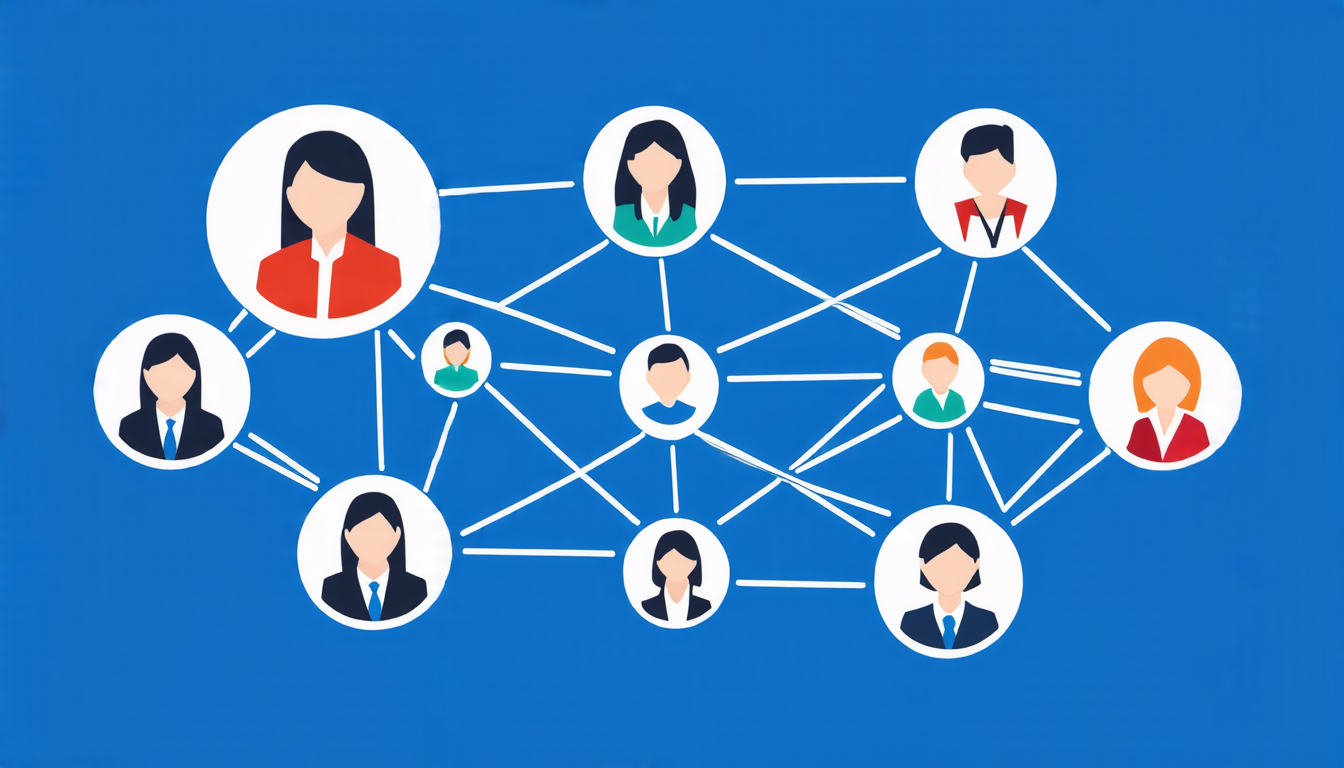
One of the most exciting features of OpenAlex is its ability to visualize research networks. By mapping connections between authors, institutions, and concepts, researchers can gain a deeper understanding of how ideas spread throughout the scientific community. This could help identify trends and patterns that might not be immediately apparent from traditional citation metrics.
Another benefit of OpenAlex is its transparency. Unlike some academic platforms, which prioritize prestige and reputation over open access, OpenAlex makes it easy for anyone to access and contribute to the research. This could lead to a more level playing field, where researchers from underrepresented communities have just as much opportunity to share their work as those from more established institutions.
Of course, there are still some challenges ahead. For one thing, OpenAlex will need to navigate the complex web of copyright laws and intellectual property rights that govern academic publishing. And even with its powerful search functions, the platform may not be able to keep up with the sheer volume of research being produced every year.
Still, the potential benefits of OpenAlex are undeniable. By making it easier for researchers to find and connect with each other, this new platform could usher in a era of unprecedented collaboration and innovation in the scientific community.
Cite this article: “OpenAlex: Revolutionizing Academic Collaboration and Transparency”, The Science Archive, 2025.
Academia, Research, Openalex, Online Platform, Academic Publishing, Collaboration, Innovation, Scientific Community, Data, Code, Projects





