

Thursday 06 March 2025
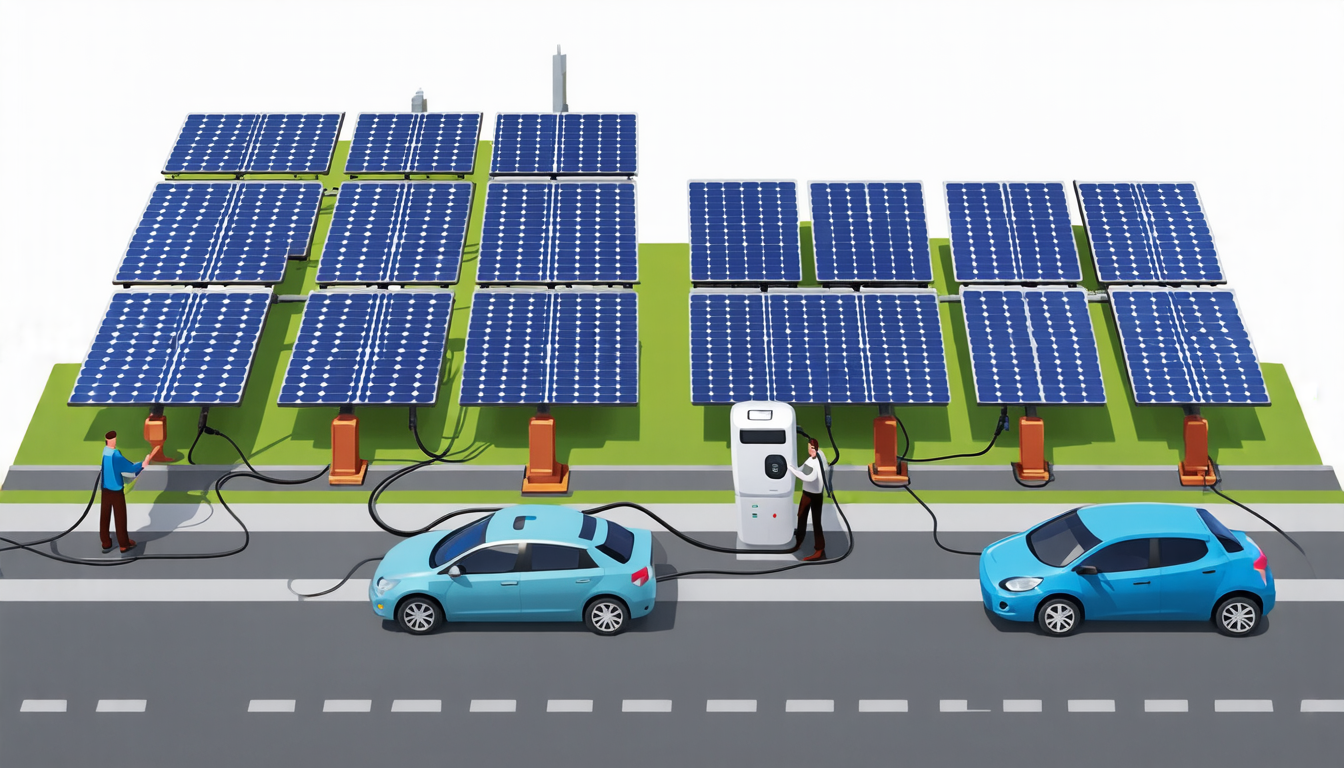
As the world continues to transition towards a more sustainable energy future, electric vehicles (EVs) are playing an increasingly important role. But as more EVs hit the roads, utilities and grid operators face new challenges in managing the increased demand for electricity. One of the biggest issues is figuring out how to balance the intermittent power generation from solar panels with the predictable but growing load from EV charging.
A team of researchers has been working on a solution to this problem by developing an advanced algorithm that can optimize the scheduling of EV charging to ensure the grid remains stable and efficient. The system uses real-time data from various sources, including weather forecasts, traffic patterns, and energy demand, to predict when and where EVs are likely to charge.
The algorithm is designed to work in tandem with smart grids, which use advanced technologies like sensors and automation to manage electricity distribution in real-time. By analyzing the grid’s current state and future demands, the system can adjust the charging schedule of EVs to optimize energy usage and reduce strain on the grid.
One key innovation is the ability to account for uncertainty in solar power generation. Solar panels are a crucial source of renewable energy, but their output varies depending on weather conditions. The algorithm takes this variability into account by using historical data and real-time forecasts to estimate the likelihood of different solar power outputs.
The researchers tested their system on a modified version of the IEEE 33-bus distribution network, which is a widely used benchmark for testing grid management systems. They found that their algorithm was able to optimize EV charging schedules to reduce peak demand on the grid by up to 10 percent, while also minimizing the impact of solar power variability.
The implications are significant. By optimizing EV charging schedules, utilities can avoid costly upgrades to their infrastructure and reduce the risk of blackouts or brownouts. For consumers, this means a more reliable and efficient energy supply, with the potential for lower electricity bills.
As the world continues to transition towards a more sustainable energy future, the need for advanced grid management systems like this one will only continue to grow. By developing algorithms that can optimize EV charging schedules in real-time, utilities and researchers are taking an important step towards ensuring a reliable and efficient energy supply for years to come.
Cite this article: “Optimizing Electric Vehicle Charging for a Smarter Grid”, The Science Archive, 2025.
Electric Vehicles, Renewable Energy, Grid Management, Smart Grids, Advanced Algorithm, Solar Power, Energy Demand, Peak Demand, Infrastructure Upgrades, Sustainable Energy Future.





