

Thursday 06 March 2025
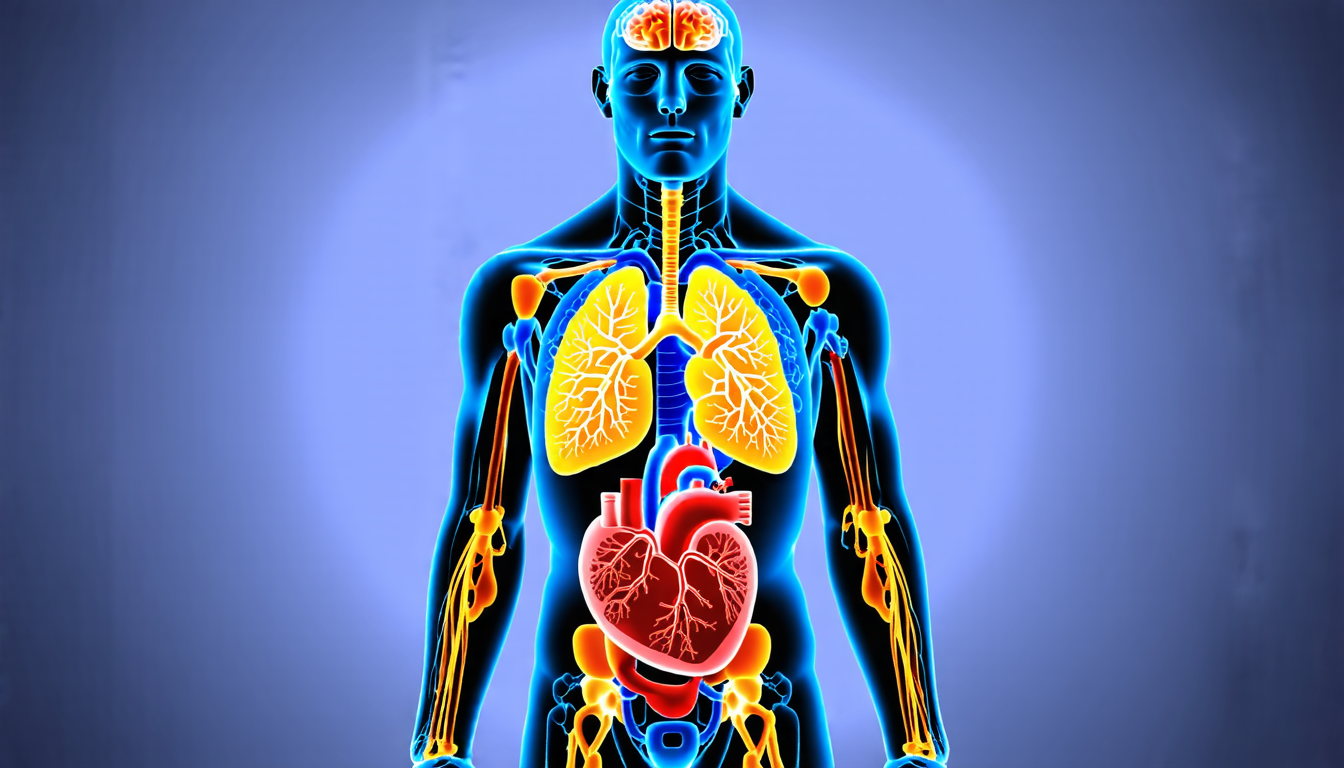
The Segment Anything Model, or SAM for short, has been making waves in the medical imaging community. This powerful tool allows doctors and researchers to quickly and accurately segment images of organs and tissues, which is crucial for diagnosing diseases and developing new treatments.
But what’s really exciting about SAM is its ability to adapt to new tasks with minimal training data. In other words, it can learn to recognize and segment specific features in medical images even if it’s only shown a handful of examples. This is a major departure from traditional machine learning approaches, which typically require large datasets to train.
The key to SAM’s success lies in its use of prototypes – small groups of pixels that represent the most common patterns or shapes found in an image. By using these prototypes as a starting point, SAM can quickly learn to recognize and segment new features without needing a massive dataset.
One of the biggest challenges facing medical imaging researchers is the limited availability of training data. Medical images are often rare and difficult to obtain, making it hard for algorithms like SAM to learn from them. But by using prototypes, SAM can adapt to these limitations and still produce accurate results.
To test SAM’s abilities, researchers used a dataset of CT scans featuring 18 different organs and tissues. They then compared the results produced by SAM to those generated by other state-of-the-art segmentation models. The results were impressive – SAM was able to produce accurate segmentations in just a few minutes, even with limited training data.
But what about the real-world implications? In medical imaging, speed and accuracy are crucial. Doctors need quick and reliable diagnoses to make informed treatment decisions. By using SAM, researchers can develop new algorithms that can accurately segment medical images in real-time – a major breakthrough for doctors and patients alike.
The potential applications of SAM are vast and varied. For example, it could be used to develop new treatments for cancer or Alzheimer’s disease. It could also help researchers better understand the underlying causes of diseases like diabetes or Parkinson’s.
In short, SAM is an exciting development in medical imaging research that has the potential to revolutionize the way doctors diagnose and treat patients. Its ability to adapt to limited training data makes it a powerful tool for researchers and clinicians alike – and its applications are endless.
Cite this article: “Breakthrough in Medical Imaging: The Segment Anything Model (SAM)”, The Science Archive, 2025.
Medical Imaging, Machine Learning, Segmentation Model, Prototypes, Ct Scans, Organs, Tissues, Cancer, Alzheimer’S Disease, Diabetes





