

Thursday 06 March 2025
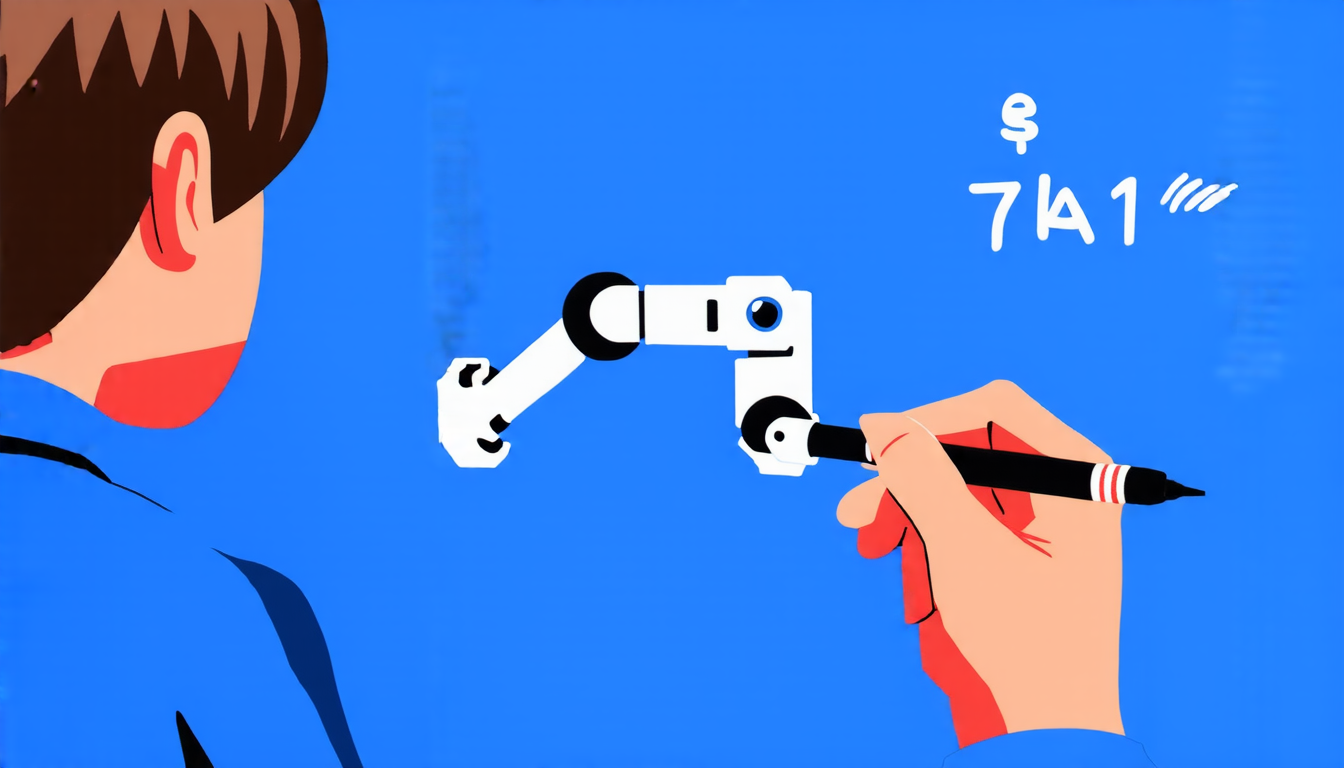
For years, robotic handwriting systems have been out of reach for many people due to their high cost and complexity. But a team of researchers has recently developed a new system that changes everything. By using affordable materials and simplifying the design, they’ve created a machine that can write with precision and accuracy – all for under $60.
The key to this system’s success lies in its use of 3D-printed components and a lead screw mechanism. Traditional robotic handwriting systems rely on expensive metal parts and complicated timing belts, which make them difficult to assemble and maintain. But the researchers have shown that these components can be replaced with lightweight plastic parts printed using a 3D printer.
The result is a machine that’s not only more affordable but also easier to use. The system uses a Raspberry Pi Pico microcontroller to control the motors that move the pen, allowing for precise control over every movement. And because it’s based on open-source hardware and software, users can customize and modify the system to suit their needs.
One of the most impressive features of this new system is its ability to write with precision and accuracy. The machine uses a machine learning-based handwriting generation model to create custom letterforms that mimic human handwriting. This means that it’s not just limited to writing plain text – it can also create complex graphics and even artistic designs.
But what really sets this system apart is its potential for accessibility. In the past, robotic handwriting systems have been expensive and difficult to use, making them inaccessible to many people who could benefit from them. But with this new machine, anyone can learn to write with precision and accuracy – regardless of their skill level or ability.
The implications of this technology are far-reaching. It has the potential to revolutionize education by providing a low-cost way for students to practice writing and develop their fine motor skills. It could also be used in rehabilitation settings to help people with disabilities regain control over their handwriting abilities.
In short, this new robotic handwriting system is a game-changer. Its affordability, ease of use, and precision make it accessible to anyone who wants to learn to write with confidence. And its potential applications are vast – from education to rehabilitation and beyond.
Cite this article: “Affordable Robotic Handwriting System Revolutionizes Writing Abilities”, The Science Archive, 2025.
Robotic Handwriting, Affordable, 3D-Printed Components, Lead Screw Mechanism, Raspberry Pi Pico, Microcontroller, Machine Learning, Handwriting Generation Model, Accessibility, Education, Rehabilitation
Reference: Tianyi Huang, Richard Xiong, “Cost-Effective Robotic Handwriting System with AI Integration” (2025).





