

Thursday 06 March 2025
Scientists have made a significant breakthrough in developing more accurate and robust image reconstruction techniques, which could have major implications for various fields such as medicine, security, and even art.
For decades, researchers have been working on perfecting autoencoder models, which are neural networks that can compress and then reconstruct images. The idea is simple: feed an image into the network, and it will learn to identify the most important features of the picture, compressing the data into a smaller format, and then use this information to recreate the original image.
However, traditional autoencoders have limitations. They tend to struggle with noisy or diverse datasets, which can result in poor-quality reconstructions. To address these issues, researchers have been experimenting with new architectures, such as convolutional networks and diffusion models.
In a recent study, scientists explored the potential of diffusion models for image reconstruction. These models introduce probabilistic noise into the encoding process, allowing them to better capture the complex patterns and structures present in images.
The results were impressive. The diffusion model was able to achieve significantly higher levels of accuracy than traditional autoencoders, even when faced with challenging datasets. In fact, it outperformed both convolutional networks and feedforward networks in many cases.
So how does this technology work? Essentially, the diffusion model uses a process called iterative noise prediction to refine its encoding and decoding processes. This involves introducing random noise into the system and then predicting what that noise should look like based on the input image. By iteratively refining this process, the model is able to better capture the complex patterns and structures present in images.
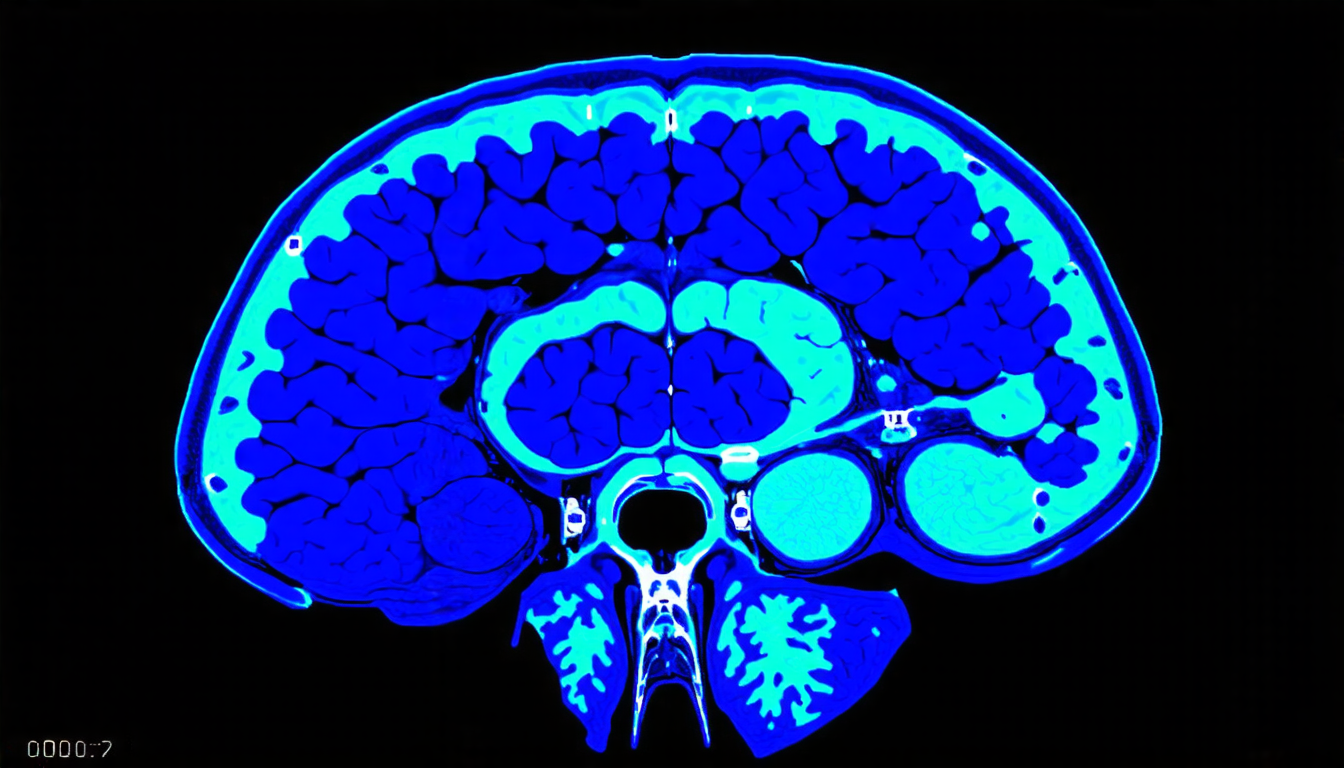
The potential applications of this technology are vast. For example, it could be used to improve medical imaging techniques, allowing doctors to more accurately diagnose diseases from MRI scans or X-rays. It could also be used to enhance security measures, such as facial recognition systems, by improving their ability to recognize and reconstruct images.
In the world of art, diffusion models could even be used to generate new works by analyzing and reconstructing existing pieces. This could allow artists to explore new styles and techniques, or even create entirely new forms of art that are unlike anything we’ve seen before.
Overall, the development of diffusion models for image reconstruction is a significant step forward in the field of artificial intelligence. It has the potential to revolutionize various industries and open up new possibilities for artistic expression.
Cite this article: “Breaking Down Barriers: Advances in Image Reconstruction Technology”, The Science Archive, 2025.
Image Reconstruction, Autoencoders, Neural Networks, Convolutional Networks, Diffusion Models, Probabilistic Noise, Iterative Noise Prediction, Medical Imaging, Security Measures, Facial Recognition Systems, Artificial Intelligence, Art Generation.





