

Thursday 06 March 2025
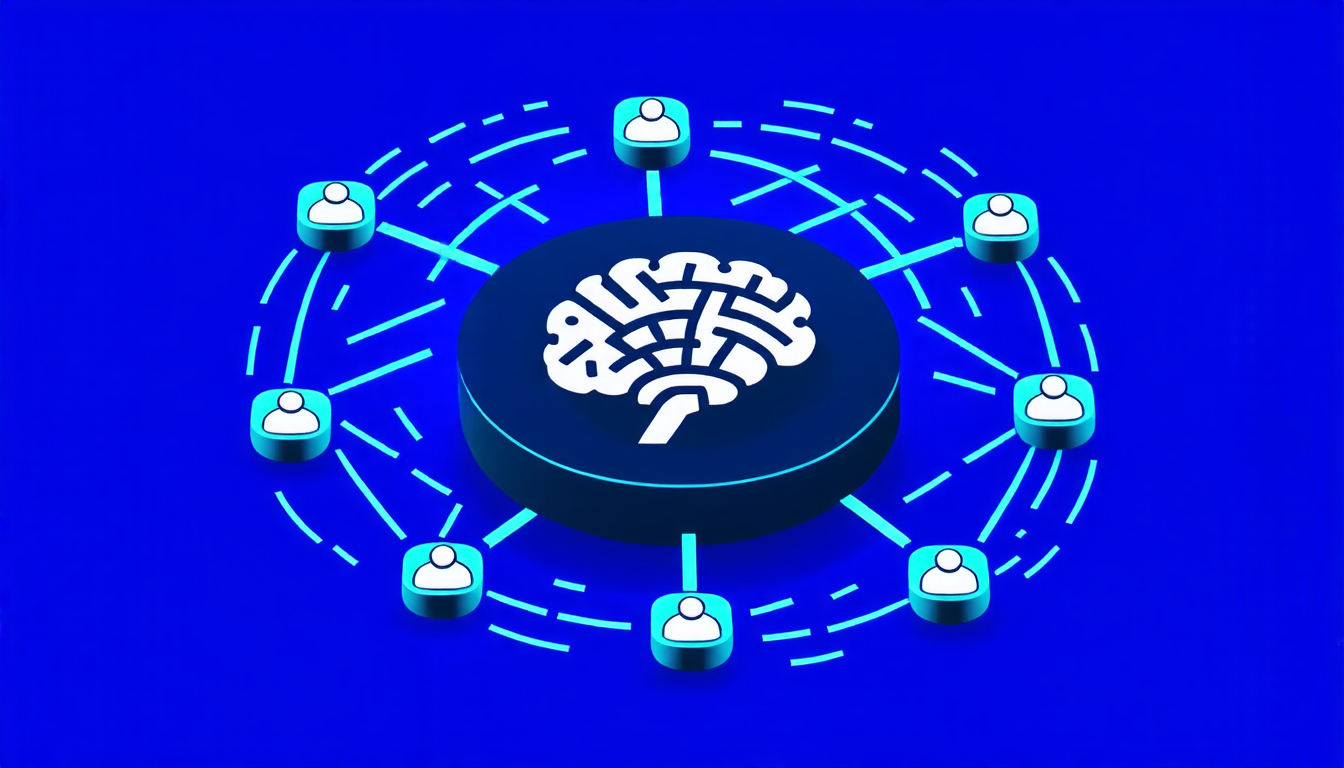
The future of wireless networks is set to get a whole lot more intelligent, thanks to a new system that can dynamically allocate resources and adapt to changing conditions in real-time.
Traditional network management systems are like rigid frameworks that struggle to keep up with the demands of modern communication. But this new approach, developed by researchers at a top university, uses artificial intelligence and machine learning to optimize performance and ensure seamless connectivity.
At its core is an algorithm that can learn from experience, adapting to changing conditions such as network traffic and user behavior. This means it can quickly respond to sudden spikes in demand, or adjust resource allocation to prioritize critical applications like emergency services.
The system also incorporates advanced mathematical techniques, known as convex optimization methods, which allow it to make decisions that balance competing priorities. For example, if multiple users are trying to access the same network at the same time, the algorithm can allocate resources fairly and efficiently, ensuring no one is left in the slow lane.
One of the key benefits of this approach is its ability to integrate with existing networks, making it a potential solution for upgrading legacy infrastructure. This could be particularly important in areas where upgrading or replacing equipment might not be feasible or cost-effective.
The researchers behind the project have already tested their system in real-world scenarios, using data from cellular networks and edge computing platforms. The results show significant improvements in terms of network performance, with reduced latency and increased throughput.
This is just one example of how AI and machine learning can be used to make wireless networks more intelligent and responsive. As our reliance on these networks continues to grow, the need for innovative solutions like this will only become more pressing.
The potential applications are vast, from improving mobile video streaming to enabling smart cities and IoT devices. And with its ability to adapt to changing conditions in real-time, this system could be a game-changer for industries that rely heavily on wireless connectivity.
As researchers continue to refine their approach, it’s likely we’ll see even more impressive results in the future. For now, however, this is an exciting step forward in making our wireless networks faster, smarter, and more efficient.
Cite this article: “Intelligent Wireless Networks: A New Era of Dynamic Resource Allocation”, The Science Archive, 2025.
Wireless Networks, Artificial Intelligence, Machine Learning, Network Management, Optimization, Real-Time, Algorithm, Convex Optimization, Legacy Infrastructure, Iot Devices





