

Friday 07 March 2025
The quest for a more democratic internet is an ongoing one, and a new approach has emerged that seeks to democratize access to Large Language Models (LLMs) by harnessing the power of blockchain technology.
For those unfamiliar, LLMs are artificial intelligence models capable of understanding and generating human language with remarkable proficiency. They’ve become increasingly popular in recent years, powering everything from chatbots to language translation tools. However, their development has been largely centralized, with a handful of large tech companies dominating the landscape.
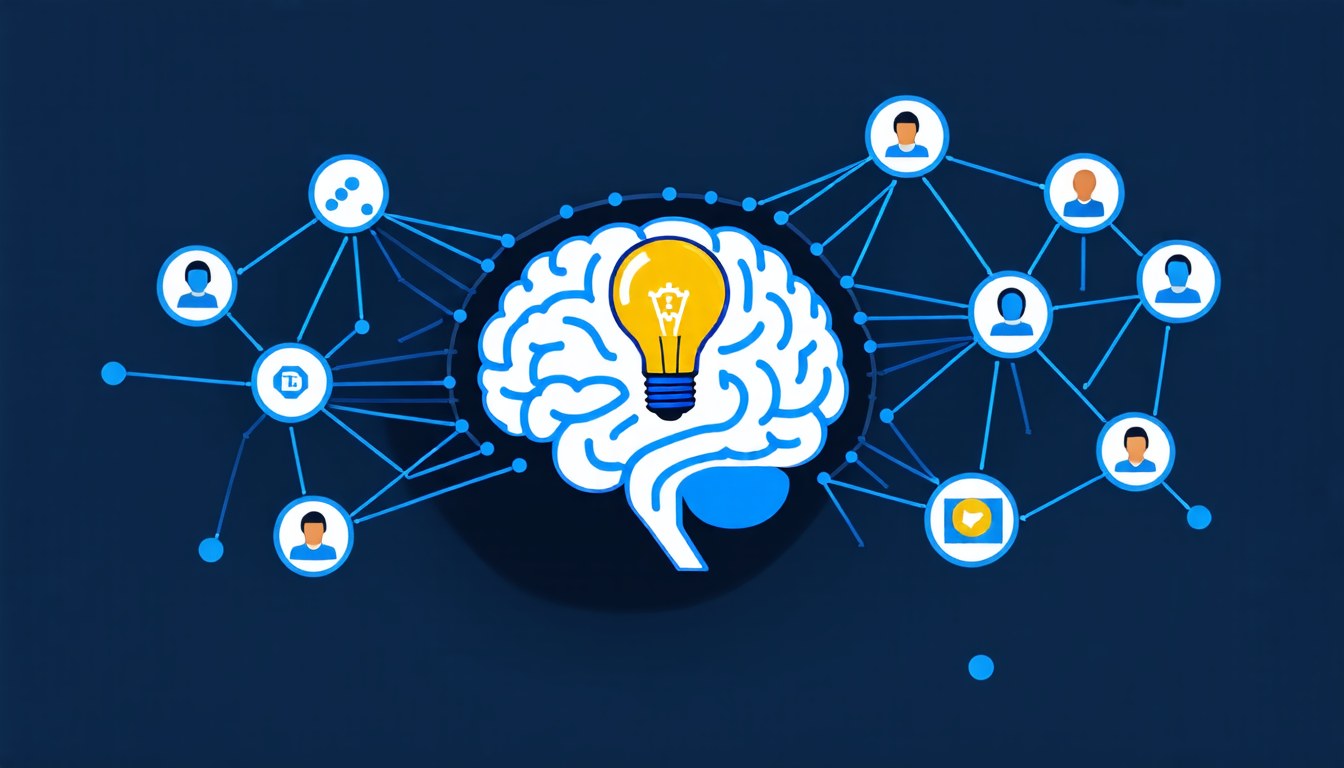
This lack of diversity is concerning, as it can lead to a homogenization of ideas and perspectives. The new approach seeks to address this issue by creating a decentralized network of LLM providers that are rewarded for contributing high-quality models.
The key innovation here is the use of blockchain technology, which enables secure, transparent, and tamper-proof transactions. By leveraging this infrastructure, the network can ensure that each model is vetted and validated before being added to the collective knowledge base.
This approach has several benefits. For one, it allows for a wider range of perspectives and ideas to be represented in the LLMs, as anyone with access to the network can contribute their own models. Additionally, the decentralized nature of the network means that no single entity controls the flow of information or has the ability to manipulate the results.
The technology also enables a reputation system, where contributors are rewarded for producing high-quality models and penalized for low-quality submissions. This incentivizes collaboration and innovation, as individuals strive to produce the best possible work to maintain their reputation within the network.
One potential application of this technology is in the field of language translation, where LLMs could be used to create more accurate and culturally sensitive translations. For example, a decentralized network of translators could collaborate to create a high-quality translation of a text, with each contributor building upon the work of others.
Another potential use case is in the realm of education, where students could access a diverse range of language models that are tailored to their specific needs and learning styles. This could be particularly beneficial for students who may not have access to high-quality educational resources or who require more personalized support.
While this approach is still in its early stages, it has the potential to democratize access to LLMs and create a more diverse and inclusive internet. As the technology continues to evolve, it will be exciting to see how it is applied in various fields and industries, and what new possibilities emerge as a result.
Cite this article: “Democratizing Large Language Models with Blockchain Technology”, The Science Archive, 2025.
Large Language Models, Blockchain Technology, Artificial Intelligence, Decentralized Network, Language Translation, Education, Democratization, Internet, Innovation, Collaboration.





