

Friday 07 March 2025
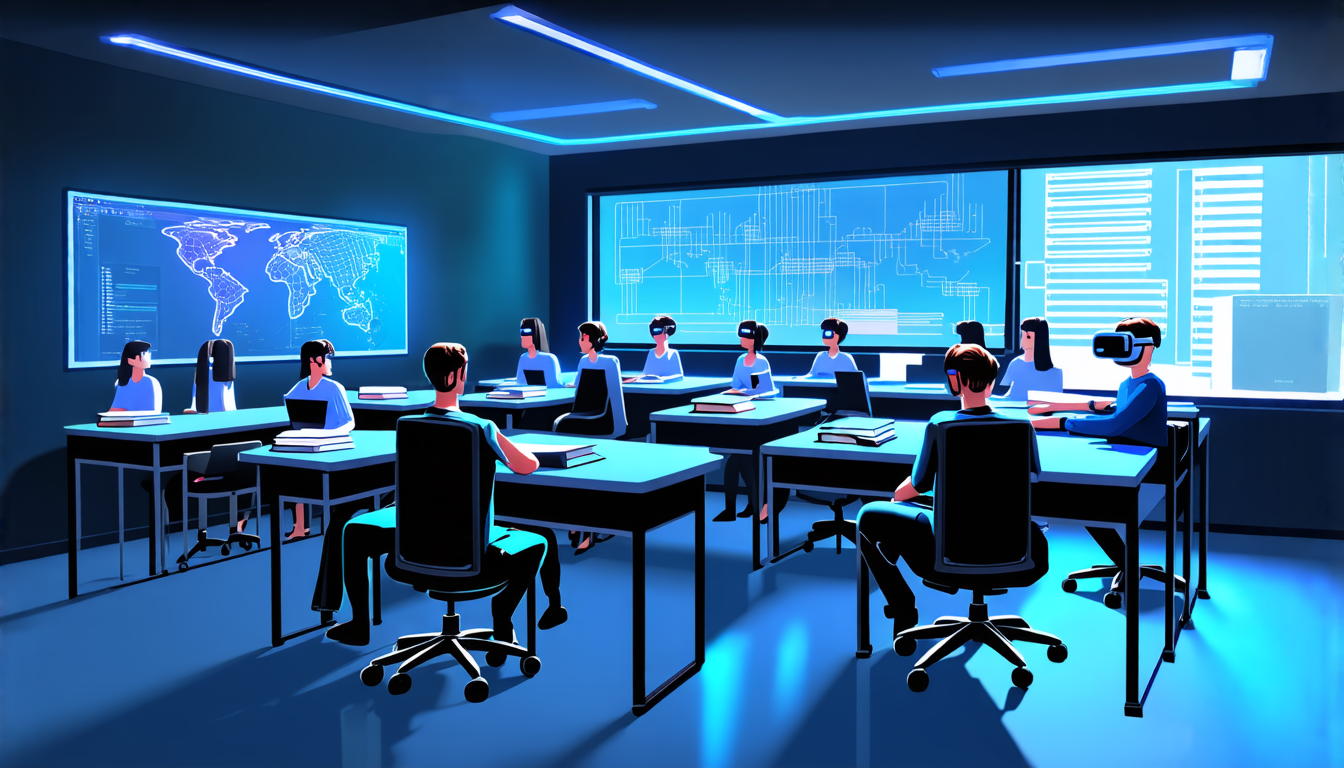
A team of researchers has made significant strides in developing a personalized learning platform that uses artificial intelligence and virtual reality to engage students in immersive educational experiences.
The study, published in a leading scientific journal, aimed to assess the effectiveness of this innovative approach on student engagement and academic performance. The team designed an intelligent virtual classroom that adapted to individual students’ needs, interests, and learning styles.
Using eye-tracking technology, the platform monitored students’ attention and focus, adjusting the content and pace of the lessons accordingly. This personalized approach enabled teachers to provide targeted support and feedback, allowing students to work at their own pace and explore topics in greater depth.
The results were impressive: students who used the virtual classroom showed higher levels of engagement, motivation, and self-directed learning than those who received traditional instruction. They also demonstrated better understanding of complex concepts and improved academic performance.
The study’s findings have significant implications for education, highlighting the potential benefits of integrating AI and VR into the classroom. By providing a more interactive and immersive experience, educators can create a more engaging and effective learning environment that caters to the diverse needs of students.
Moreover, the platform’s ability to monitor student engagement and attention in real-time offers valuable insights for teachers, allowing them to identify areas where individual students may require additional support or scaffolding. This data-driven approach enables educators to tailor their instruction to meet the unique needs of each student, leading to more personalized and effective learning outcomes.
The study also underscores the importance of teacher training and professional development in integrating AI-powered educational tools into classroom practice. By providing teachers with the necessary skills and knowledge, schools can ensure that these innovative technologies are used effectively to enhance student learning.
As education continues to evolve in response to technological advancements, the use of AI and VR is likely to play a significant role in shaping the future of teaching and learning. This study serves as a compelling example of how these tools can be harnessed to improve educational outcomes and create more engaging learning experiences for students.
Cite this article: “Revolutionizing Education: AI-Powered Virtual Classroom Enhances Student Engagement and Performance”, The Science Archive, 2025.
Artificial Intelligence, Virtual Reality, Personalized Learning, Student Engagement, Academic Performance, Eye-Tracking Technology, Attention Monitoring, Teacher Training, Professional Development, Education Innovation





