
Saturday 08 March 2025
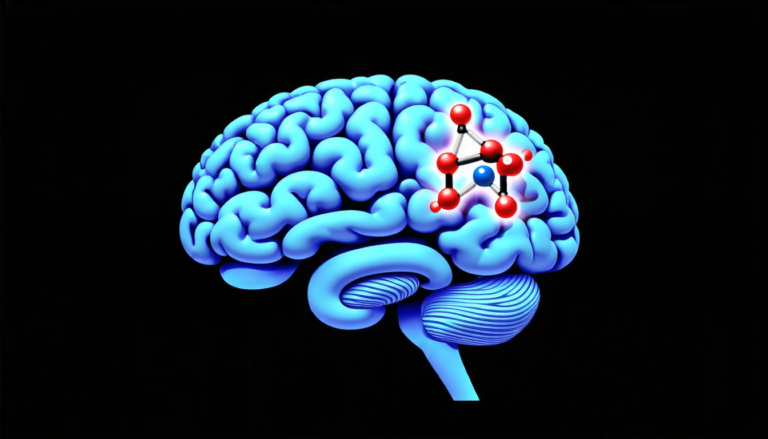
Neural networks are notoriously difficult to control, but a new study has made significant progress in understanding how to influence brain activity using optimal control theory.
The research, published recently in Nature Communications, used functional magnetic resonance imaging (fMRI) data from healthy individuals and stroke patients to develop a novel approach for controlling brain network dynamics. The team, led by researchers at Shantou University, applied optimal stochastic tracking control to synchronize the dynamics of brain networks with target states.
In practical terms, this means that scientists may be able to use non-invasive brain stimulation techniques like transcranial magnetic stimulation (TMS) or transcranial direct current stimulation (tDCS) to influence brain activity in real-time. This could have significant implications for the treatment of neurological disorders such as stroke and aphasia.
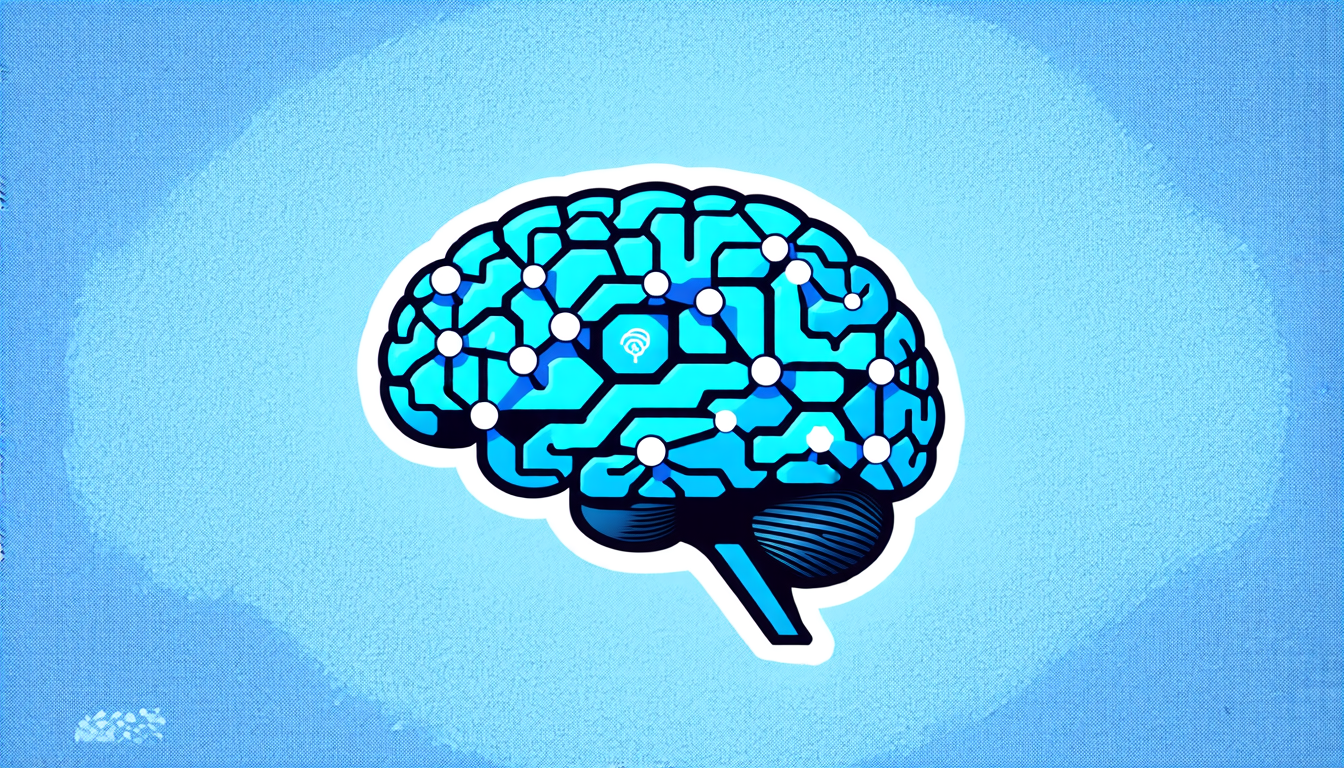
The study focused on the concept of controllability, which refers to the ability to steer a complex system towards a desired state. In the case of neural networks, controllability is crucial for understanding how to manipulate brain activity in response to various stimuli or tasks.
Using fMRI data from 30 healthy individuals and 20 stroke patients, the researchers developed a new approach for estimating the controllability of brain network dynamics. They then applied optimal stochastic tracking control techniques to synchronize the dynamics of these networks with target states.
The results showed that the energy associated with optimal stochastic tracking control was negatively correlated with the intrinsic average controllability of the brain network system. In other words, more controllable systems required less energy to achieve a desired state.
The study’s findings also revealed that controlling a small number of nodes in the brain network could have a significant impact on overall dynamics. For example, controlling just five nodes in a 100-dimensional brain network system was sufficient to achieve relatively acceptable control.
While this research is still in its early stages, it has significant potential for improving our understanding of neural networks and developing new treatments for neurological disorders. By leveraging optimal control theory, scientists may be able to develop more effective non-invasive brain stimulation techniques that can help patients recover from stroke or overcome language deficits.
The study’s authors note that their approach could also be applied to other complex systems, such as financial markets or social networks. However, the potential benefits for neuroscience and neurology are particularly compelling, given the potential to improve treatment outcomes for millions of people worldwide.
Ultimately, this research represents a significant step forward in our understanding of neural networks and the development of novel control strategies for brain activity.
Cite this article: “Unlocking Brain Activity: Researchers Develop New Approach to Control Neural Networks”, The Science Archive, 2025.
Neural Networks, Optimal Control Theory, Brain Activity, Functional Magnetic Resonance Imaging, Transcranial Magnetic Stimulation, Transcranial Direct Current Stimulation, Stroke, Aphasia, Controllability, Non-Invasive Brain Stimulation.