

Sunday 09 March 2025
The pursuit of data integrity has long been a challenge for companies and organizations, particularly in today’s digital age where data is increasingly complex and widespread. To tackle this issue, researchers have been working on developing innovative solutions that can effectively track and manage data provenance – the record of how data was created, modified, and used.
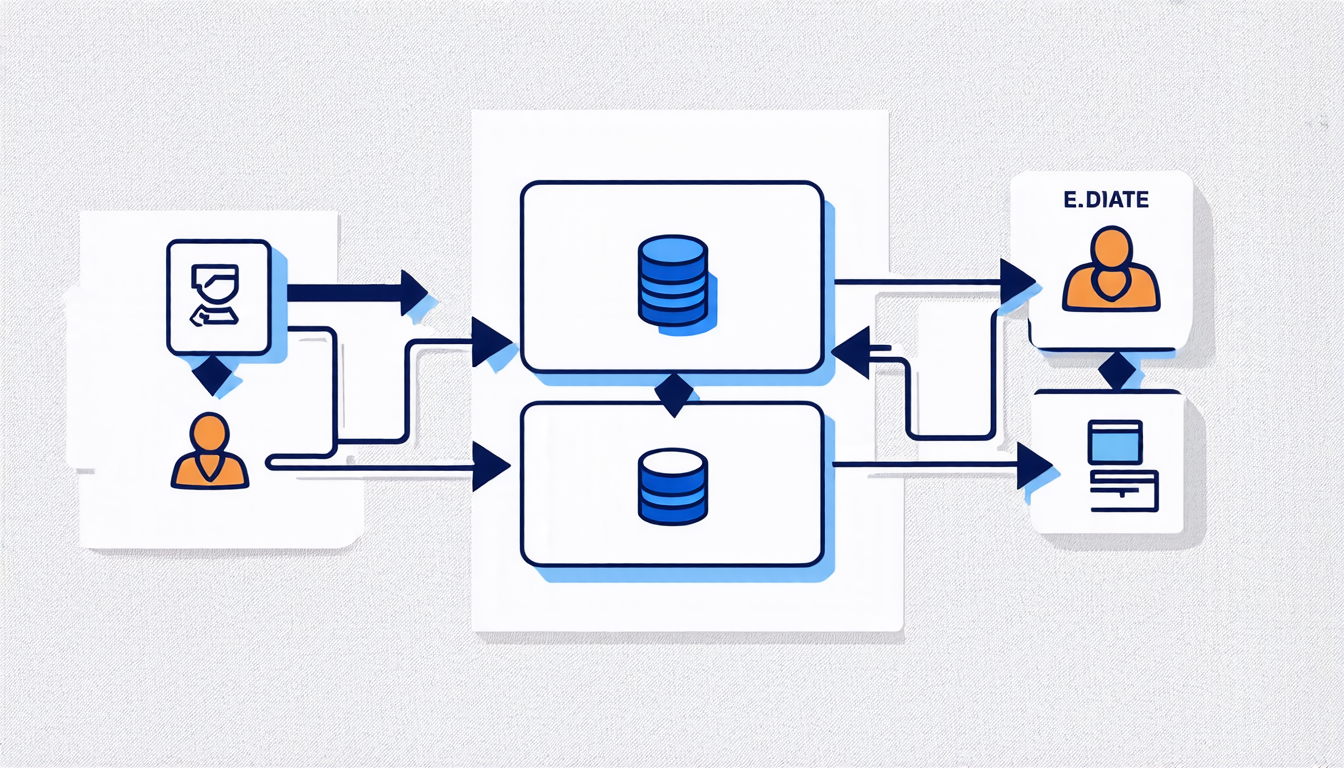
In recent years, the W3C Provenance Working Group has made significant strides in this area by creating a standardized model for data provenance called PROV. This model provides a framework for describing the entities, activities, and agents involved in the creation and modification of data, allowing users to track the history and lineage of their data.
One company that has been heavily invested in implementing PROV is Encompass Australia Pty Ltd. In their latest research paper, they detail their experience with using PROV to track data provenance across various frameworks and work processes. The company’s approach involves integrating PROV into their existing systems and tools, allowing them to capture and manage provenance information at each stage of the workflow.
The benefits of this approach are numerous. For one, it enables Encompass to provide its clients with greater transparency and trust in the data they receive. By knowing exactly how the data was created and modified, clients can be confident that the results are accurate and reliable. This is particularly important in industries such as finance and healthcare, where data accuracy is crucial for decision-making.
Another advantage of using PROV is that it allows Encompass to optimize its workflows and improve efficiency. By analyzing the provenance information, the company can identify bottlenecks and areas for improvement, streamlining their processes and reducing errors.
The researchers also highlight some of the challenges they faced in implementing PROV. One of the main issues was dealing with complex data objects that required additional metadata to accurately capture their provenance. To address this, Encompass developed custom extensions to the PROV model, allowing them to better track the relationships between entities and activities.
In addition, the company notes that integrating PROV into existing systems can be a time-consuming process, requiring significant resources and expertise. However, they argue that the benefits of data provenance far outweigh the costs, particularly in industries where data accuracy is critical.
Overall, Encompass’s research paper provides a compelling case study for the importance of data provenance in today’s digital age. By leveraging standardized models like PROV, companies can ensure the integrity and reliability of their data, while also improving efficiency and reducing errors.
Cite this article: “Ensuring Data Integrity: Encompass Australias Experience with PROV”, The Science Archive, 2025.
Data Provenance, Prov Model, Data Integrity, Digital Age, W3C, Encompass Australia, Workflow Optimization, Efficiency Improvement, Error Reduction, Metadata Management





