

Sunday 09 March 2025
Distributed identity has been touted as a solution to the age-old problem of cybersecurity threats, but it’s not just a buzzword – it’s a game-changer. The concept is simple: instead of relying on centralized databases and authentication systems, individuals can take control of their own digital identities.
Traditionally, when you log in to a website or application, you’re required to enter your username and password. These credentials are then verified against a central database to ensure that you’re who you claim to be. But this system is vulnerable to hacking, phishing, and other types of cyber attacks.
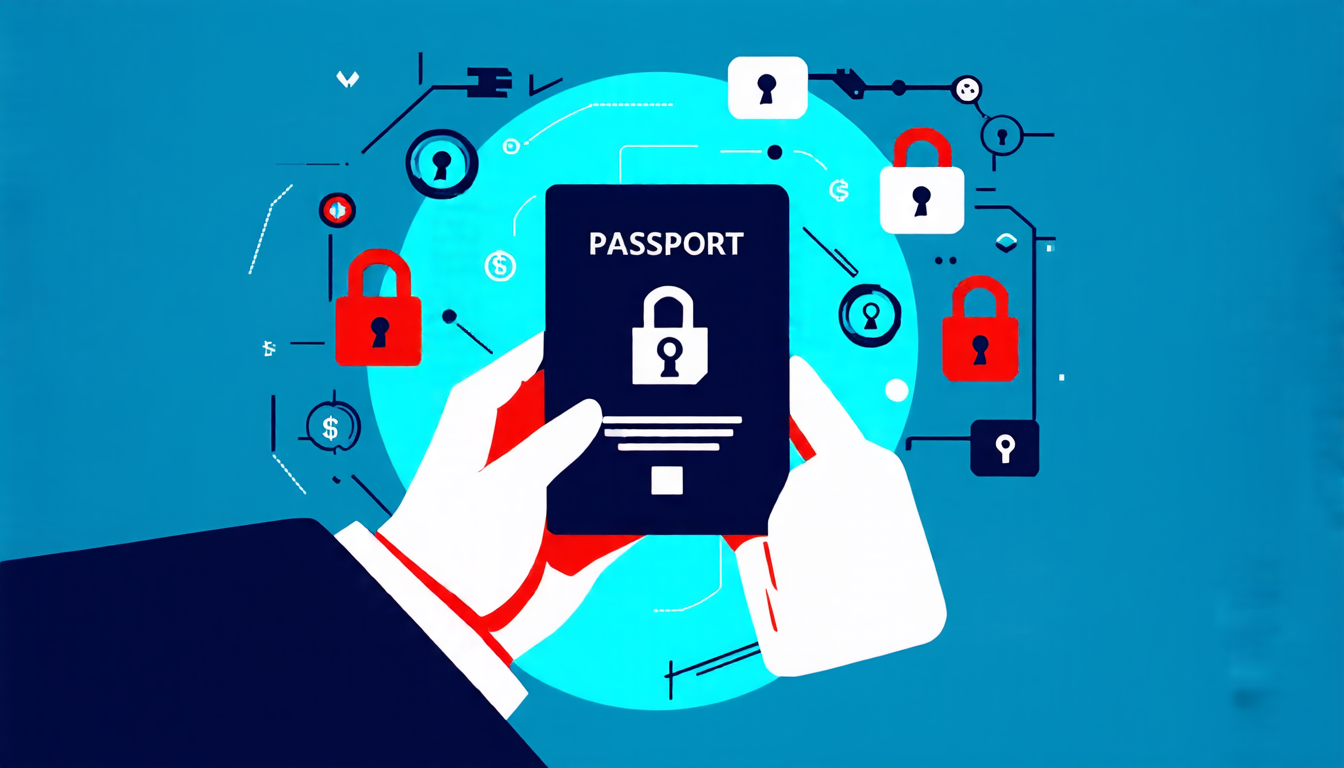
Distributed identity flips the script on this approach. Instead of relying on a centralized authority, individuals can create their own digital identities using blockchain technology and decentralized identifiers (DIDs). These DIDs are like digital passports that contain information about an individual’s identity, such as name, email address, and phone number.
The beauty of distributed identity is that it decentralizes the control over personal data. Instead of relying on a single entity to manage your identity, you’re in charge. You can create multiple identities for different purposes, such as work or personal use, and manage them all from one place.
This approach also makes it much harder for hackers to steal your identity. Since there’s no central database to breach, even if an attacker gains access to your digital identity, they won’t be able to use it to log in to other accounts.
But distributed identity isn’t just about security – it’s also about privacy. With traditional authentication systems, companies often collect and store vast amounts of personal data, which can be used for targeted advertising or even sold on the dark web. Distributed identity eliminates this problem by allowing individuals to control what information is shared and with whom.
The technology behind distributed identity is still evolving, but it’s already being adopted by companies like Microsoft and IBM. They’re using blockchain and DIDs to create secure and private identity management systems that can be used across multiple applications and services.
One of the key challenges facing the widespread adoption of distributed identity is interoperability – how will different systems and devices communicate with each other? But researchers are working on developing standards and protocols that will allow distributed identities to seamlessly integrate with existing infrastructure.
As the technology continues to develop, it’s likely that we’ll see a shift away from traditional authentication methods and towards decentralized identity management.
Cite this article: “Distributed Identity: A Game-Changer in Cybersecurity”, The Science Archive, 2025.
Cybersecurity, Blockchain, Decentralized Identifiers, Distributed Identity, Authentication, Privacy, Interoperability, Microsoft, Ibm, Digital Passports





