

Sunday 09 March 2025
A team of researchers has made a significant breakthrough in the field of artificial intelligence, developing a new technique that allows machines to learn complex patterns and relationships from data. The technique, known as geometric deep learning, uses a combination of mathematical concepts and machine learning algorithms to analyze and understand large datasets.
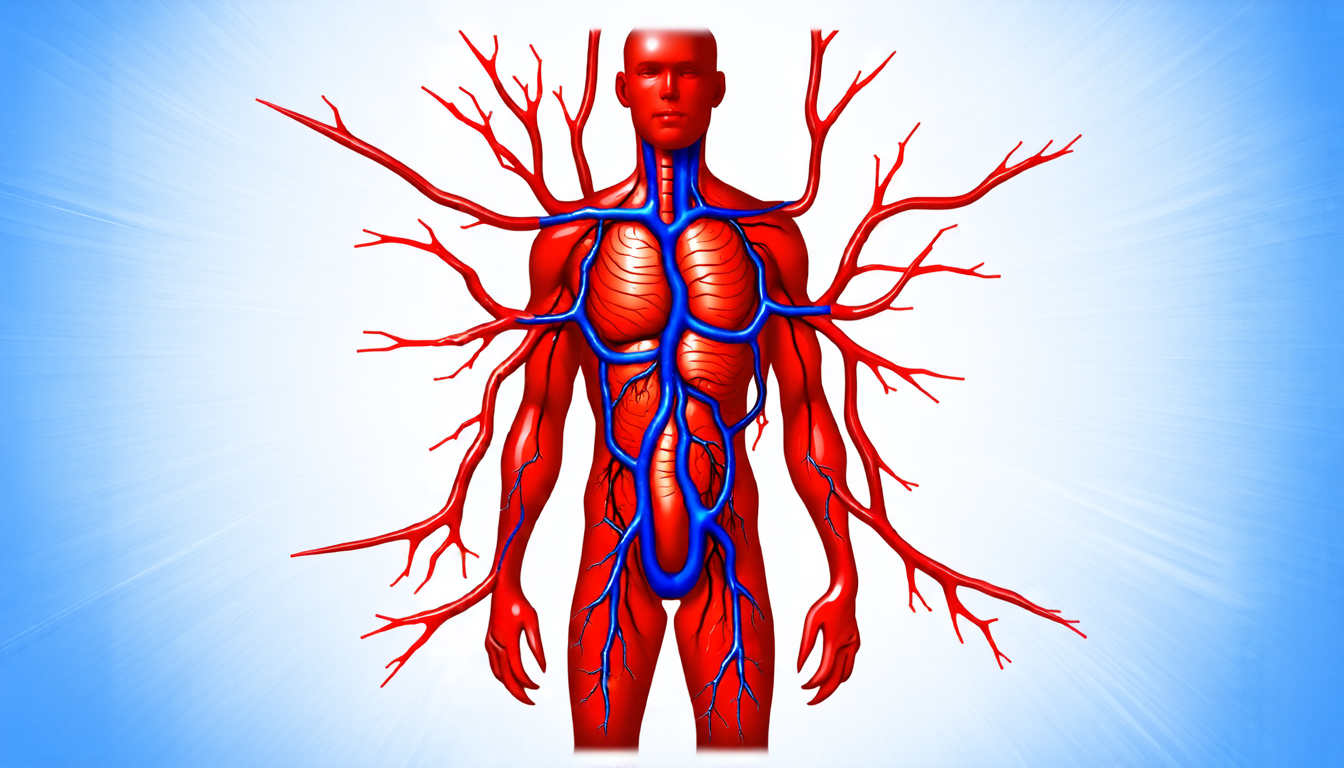
The researchers have used this technique to develop a new model for predicting blood flow in the human body. This model is able to accurately predict the flow of blood through the arteries and veins, which could have important implications for the diagnosis and treatment of cardiovascular diseases.
The model uses a combination of data from various sources, including medical imaging scans and patient information. It then uses this data to train itself on how to predict blood flow based on different patterns and relationships.
One of the key advantages of this technique is that it is able to learn complex patterns and relationships from large datasets. This means that the model can be trained on a wide range of data, including both normal and abnormal cases.
The researchers have tested their model on a number of different datasets, including one dataset containing images of patients with cardiovascular disease. They found that their model was able to accurately predict blood flow in these patients, which could help doctors diagnose and treat the disease more effectively.
This technique has many potential applications beyond medicine. For example, it could be used to analyze data from other fields such as finance or environmental science.
Cite this article: “Geometric Deep Learning Breakthrough Enables Accurate Prediction of Blood Flow in Human Body”, The Science Archive, 2025.
Artificial Intelligence, Geometric Deep Learning, Machine Learning Algorithms, Mathematical Concepts, Data Analysis, Cardiovascular Disease, Blood Flow Prediction, Medical Imaging Scans, Patient Information, Complex Patterns And Relationships.





