

Sunday 09 March 2025
Scientists have long been fascinated by the way certain materials interact with each other, particularly when it comes to liquids and solids. A new study has shed light on this complex phenomenon, providing valuable insights into how liquid iron behaves around refractory oxides.
The research team used a combination of theoretical modeling and experimental techniques to investigate the wettability of liquid iron on five common refractory oxides: alumina, magnesia, calcia, silica, and zirconia. Wettability refers to the ability of a liquid to spread on a solid surface, and is crucial in understanding various industrial processes, such as steel production and ceramic manufacturing.
To better understand how these materials interact, the researchers employed density functional theory (DFT) calculations, which allowed them to model the behavior of the materials at the atomic level. They then used this information to calculate the Hamaker constants, a fundamental property that determines the strength of van der Waals forces between molecules.
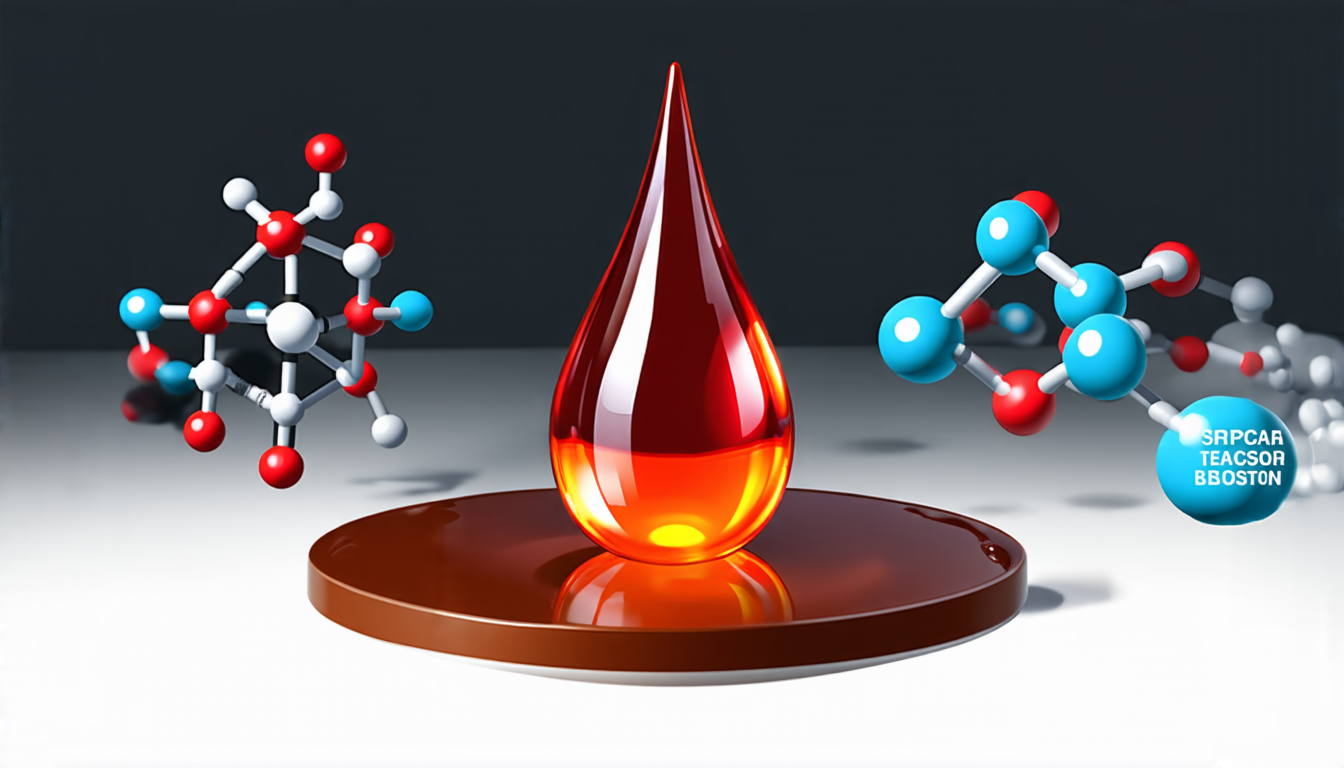
The team also conducted experimental measurements using a technique called sessile drop analysis. This involved carefully placing small droplets of liquid iron onto the surface of the refractory oxides and observing how they behaved over time. By analyzing these droplets, the researchers were able to measure the contact angle – the angle at which the droplet meets the oxide substrate.
The results showed that the wettability of liquid iron on these materials is highly dependent on the specific oxide used. For example, alumina was found to be extremely hydrophobic, meaning it repels water and other liquids. In contrast, silica was more hydrophilic, allowing the droplets to spread easily across its surface.
But what’s truly fascinating about this study is how the researchers were able to use their theoretical models to accurately predict the experimental results. This demonstrates a deep understanding of the complex interactions between these materials at the atomic level.
The implications of this research are significant. By better understanding how liquid iron behaves around refractory oxides, scientists can improve the efficiency and effectiveness of various industrial processes. For instance, optimizing the wettability of molten steel on refractory linings could reduce energy consumption and minimize waste.
Furthermore, the techniques used in this study have broader applications in fields such as materials science and nanotechnology. By combining theoretical modeling with experimental analysis, researchers can gain a deeper understanding of complex systems and develop new technologies that rely on precise control over material interactions.
Cite this article: “Unlocking the Secrets of Liquid Irons Behavior Around Refractory Oxides”, The Science Archive, 2025.
Liquid Iron, Refractory Oxides, Wettability, Density Functional Theory, Hamaker Constants, Van Der Waals Forces, Sessile Drop Analysis, Contact Angle, Hydrophobic, Hydrophilic





