

Sunday 09 March 2025
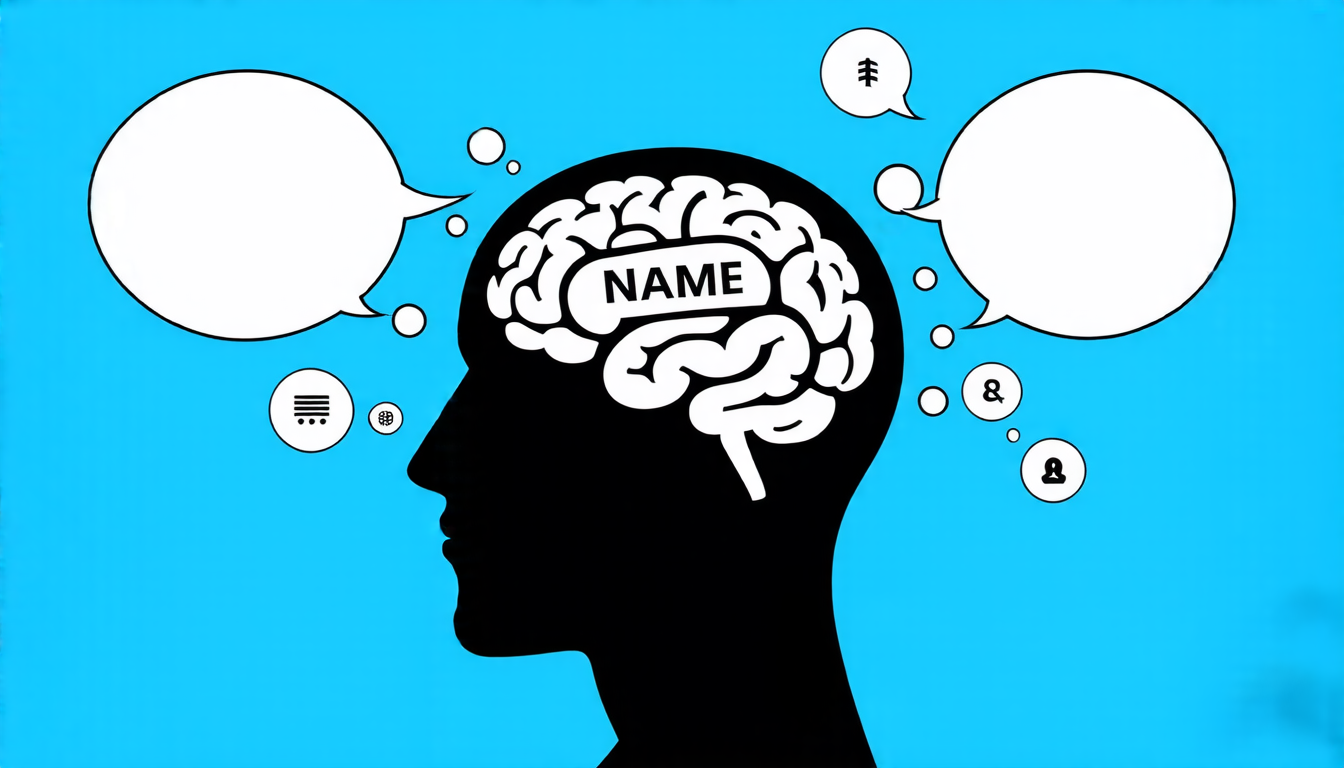
The art of identifying individuals based on their brain signals has long been a topic of interest in the scientific community. A recent study has shed new light on this phenomenon, offering a novel approach to subject identification using electroencephalogram (EEG) signals.
EEG signals are electrical impulses that are generated by the brain’s neurons as they communicate with each other. These signals can be used to identify an individual based on their unique brain activity patterns, which are thought to be influenced by their genetic makeup, environment, and lifestyle.
The study in question focused on developing a system for identifying individuals using EEG signals recorded during imagined speech tasks. The researchers created a dataset consisting of over 4,350 trials from 11 subjects, each recorded across multiple sessions. They then used various machine learning algorithms to analyze the data and identify patterns that could be used for subject identification.
One of the key findings of the study was that the EEG signals generated during imagined speech tasks were highly consistent across different sessions and individuals. This suggests that the brain’s activity patterns during these tasks are relatively stable, making them a promising target for biometric identification.
The researchers also found that using a combination of machine learning algorithms and feature extraction techniques could improve the accuracy of subject identification. They developed a novel approach that involved extracting features from the EEG signals using a technique called time-frequency analysis, which allowed them to capture both temporal and spectral characteristics of the signals.
In addition to developing new methods for analyzing EEG signals, the study also explored the potential of pre-trained models in this context. The researchers used a model called MOMENT, which is designed for time-series data, to extract features from the EEG signals without requiring any fine-tuning. This approach allowed them to generate embeddings that could be used for subject identification.
The results of the study were promising, with the best-performing algorithm achieving an accuracy rate of over 97%. This suggests that EEG-based biometric identification has significant potential for real-world applications, particularly in areas such as security and healthcare.
One of the most exciting aspects of this research is its potential to revolutionize the field of biometrics. By using EEG signals, which are relatively non-invasive and easy to record, researchers may be able to develop more accurate and convenient methods for identifying individuals. This could have significant implications for a wide range of applications, from border control to forensic analysis.
The study’s findings also highlight the importance of developing new approaches to analyzing EEG signals.
Cite this article: “EEG-Based Biometric Identification: A Novel Approach to Subject Recognition”, The Science Archive, 2025.
Eeg Signals, Biometric Identification, Machine Learning Algorithms, Feature Extraction Techniques, Time-Frequency Analysis, Moment Model, Time-Series Data, Subject Identification, Security, Healthcare





