
Monday 10 March 2025
The quest for faster and better medical imaging technology has led scientists to develop a new approach that uses machine learning algorithms to optimize sampling patterns in magnetic resonance imaging (MRI) scans. This breakthrough could revolutionize the way doctors diagnose and treat diseases, enabling them to capture detailed images of the body quickly and efficiently.
Currently, MRI machines use complex mathematical techniques to reconstruct images from raw data, but this process can be time-consuming and may not always produce high-quality results. To speed up the process, researchers have been exploring ways to reduce the amount of data collected during an MRI scan, while still maintaining image quality. One approach is to use a technique called undersampling, where the machine collects fewer data points than usual, but then uses advanced algorithms to fill in the gaps.
The problem with this method is that it can be difficult to predict which data points are most important for reconstructing the final image. This is where machine learning comes in. By analyzing large datasets of MRI scans and their corresponding images, researchers have been able to develop algorithms that can identify patterns and relationships between different parts of the body.
The new approach, called SUNO (Scan-Adaptive Undersampling Optimization), uses a combination of machine learning and mathematical techniques to optimize sampling patterns in MRI scans. The algorithm learns from a dataset of MRI scans and their corresponding images, identifying which data points are most important for reconstructing high-quality images. It then applies this knowledge to optimize the sampling pattern for each individual scan.
The results are impressive. In tests, SUNO was able to produce high-quality images using significantly fewer data points than traditional methods. This could have a major impact on medical imaging, enabling doctors to capture detailed images of the body quickly and efficiently. For example, in emergency situations where every second counts, SUNO could help doctors diagnose and treat patients more rapidly.
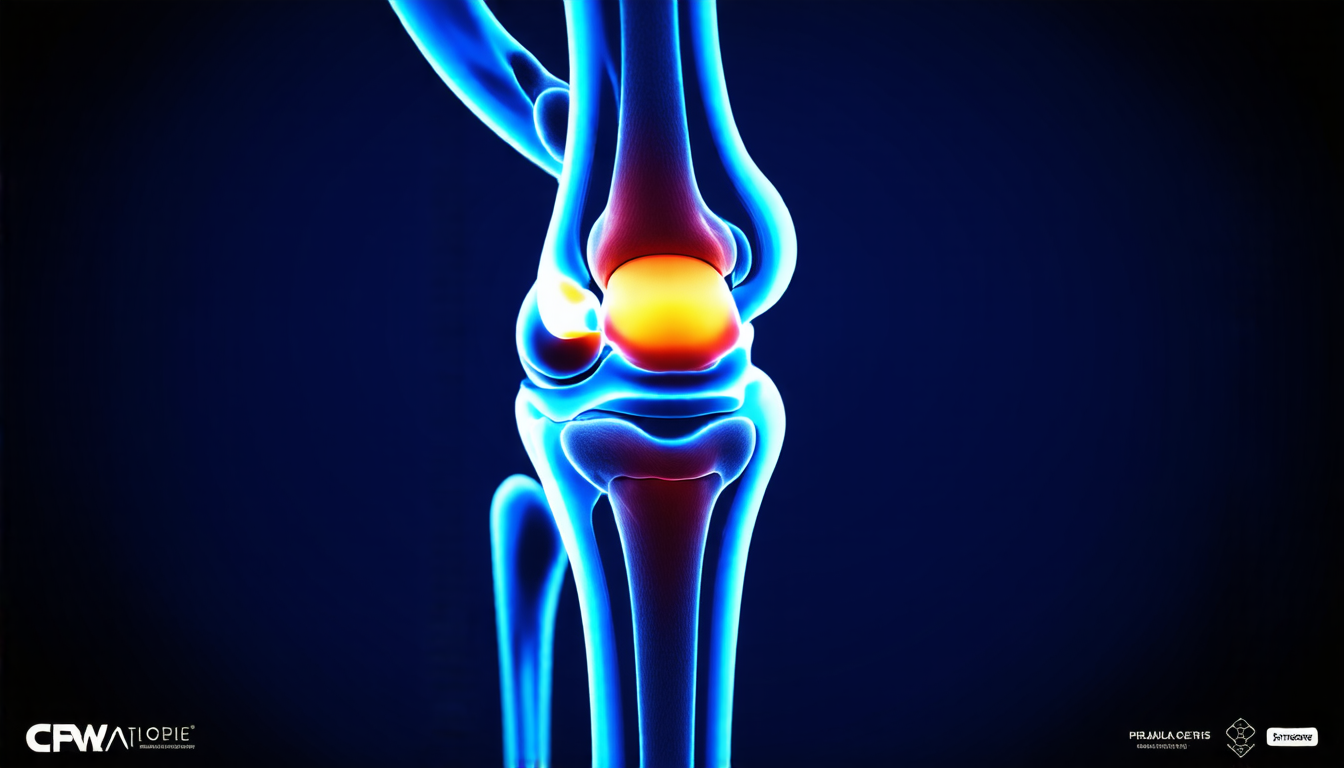
The technology has also been tested on two different anatomies – the knee and brain – and its generalization was indicated for different datasets. This means that SUNO is not just limited to a specific type of scan or patient group, but can be applied to a wide range of MRI scans.
While there are still challenges to overcome before SUNO can be used in clinical practice, this breakthrough has the potential to revolutionize medical imaging and improve patient care. By enabling doctors to capture high-quality images quickly and efficiently, SUNO could help diagnose diseases earlier and more accurately, leading to better outcomes for patients.
Cite this article: “Machine Learning Algorithm Optimizes MRI Scans for Faster Diagnosis and Treatment”, The Science Archive, 2025.
Magnetic Resonance Imaging, Mri Scans, Machine Learning Algorithms, Medical Imaging, Diagnostic Accuracy, Patient Care, Disease Diagnosis, Image Reconstruction, Undersampling, Scan Optimization