

Monday 10 March 2025
Scientists have made a significant breakthrough in understanding the behavior of light and matter at the smallest scales. Researchers have long been fascinated by the properties of non-Hermitian systems, where the rules of classical physics no longer apply. In these systems, energy is not conserved, and particles can be created or destroyed.
The team behind this latest discovery has developed a new method to study these non-Hermitian systems using a combination of theoretical and experimental approaches. By creating a specific type of lattice structure, they were able to observe the emergence of flat bands, which are areas where the energy levels are degenerate, meaning that multiple states have the same energy.
The significance of this finding lies in its potential applications in various fields, including quantum computing, optics, and materials science. Flat bands can lead to novel phenomena such as topological insulators, which are materials that are insulators in the interior but conductors on the surface. This property makes them useful for creating ultra-efficient electronic devices.
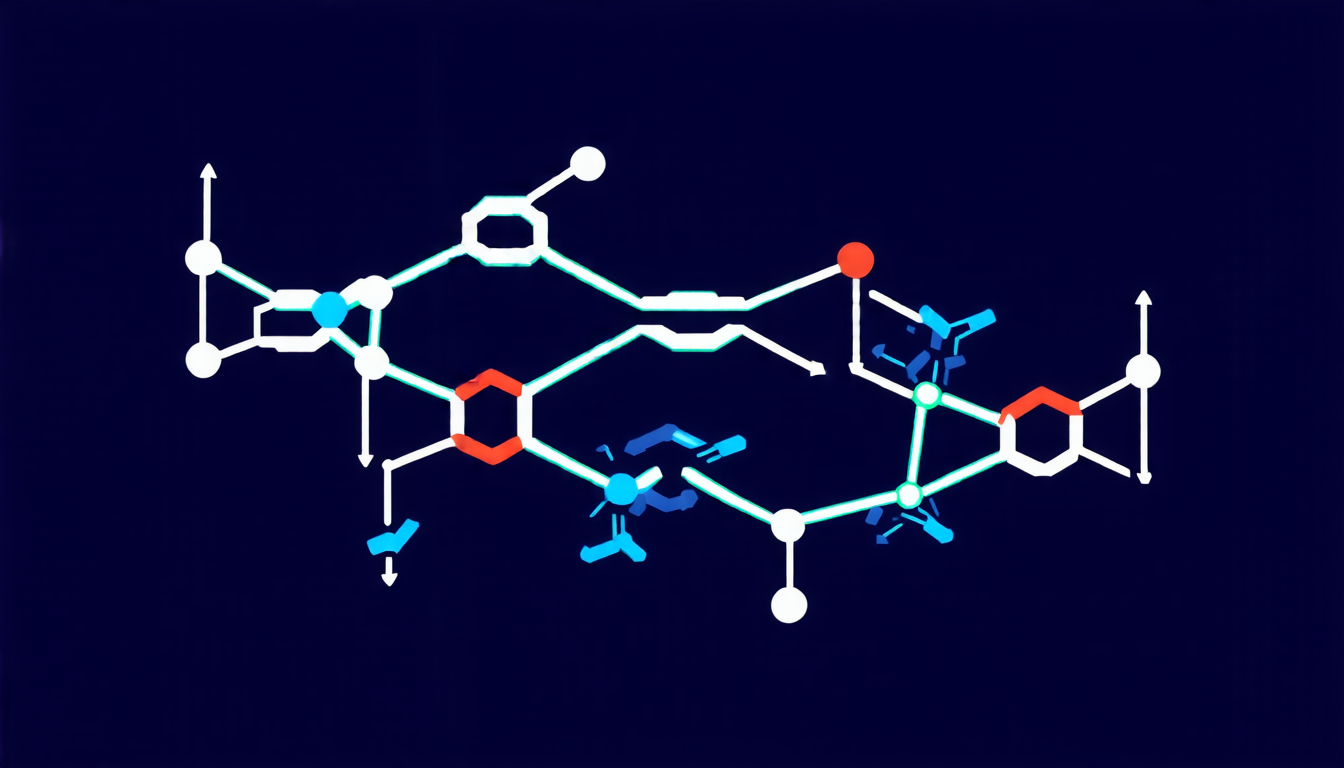
The researchers used a combination of numerical simulations and experimental techniques to study the behavior of light in these non-Hermitian systems. They created a lattice structure consisting of two chains of atoms, which were coupled together in a specific way. By varying the strength of the coupling between the chains, they were able to observe the emergence of flat bands.
One of the key findings was that the flat bands are not limited to a single energy level but can occur over a range of energies. This property makes them more versatile and potentially useful for a wider range of applications. The researchers also observed that the flat bands are robust against disorder, meaning that they remain stable even when small imperfections are introduced into the lattice structure.
The implications of this discovery are far-reaching, with potential applications in fields such as quantum computing, optics, and materials science. For example, flat bands could be used to create ultra-efficient electronic devices that can operate at much lower power consumption levels than current technology.
In addition, the researchers believe that their findings could lead to new insights into the behavior of light and matter at the smallest scales. By studying non-Hermitian systems, scientists may gain a deeper understanding of the fundamental laws of physics and potentially uncover new phenomena that have not been observed before.
The study’s results were published in the journal Physical Review Letters and have sparked widespread interest among physicists and materials scientists.
Cite this article: “Unlocking the Secrets of Non-Hermitian Systems: A Breakthrough in Understanding Flat Bands”, The Science Archive, 2025.
Non-Hermitian Systems, Quantum Computing, Optics, Materials Science, Flat Bands, Topological Insulators, Lattice Structure, Energy Levels, Disorder, Ultra-Efficient Devices.





