

Monday 10 March 2025
The Software Heritage dataset is a treasure trove of information about the evolution of software development over time. By analyzing this vast repository, researchers have been able to uncover new insights into how software grows and changes.
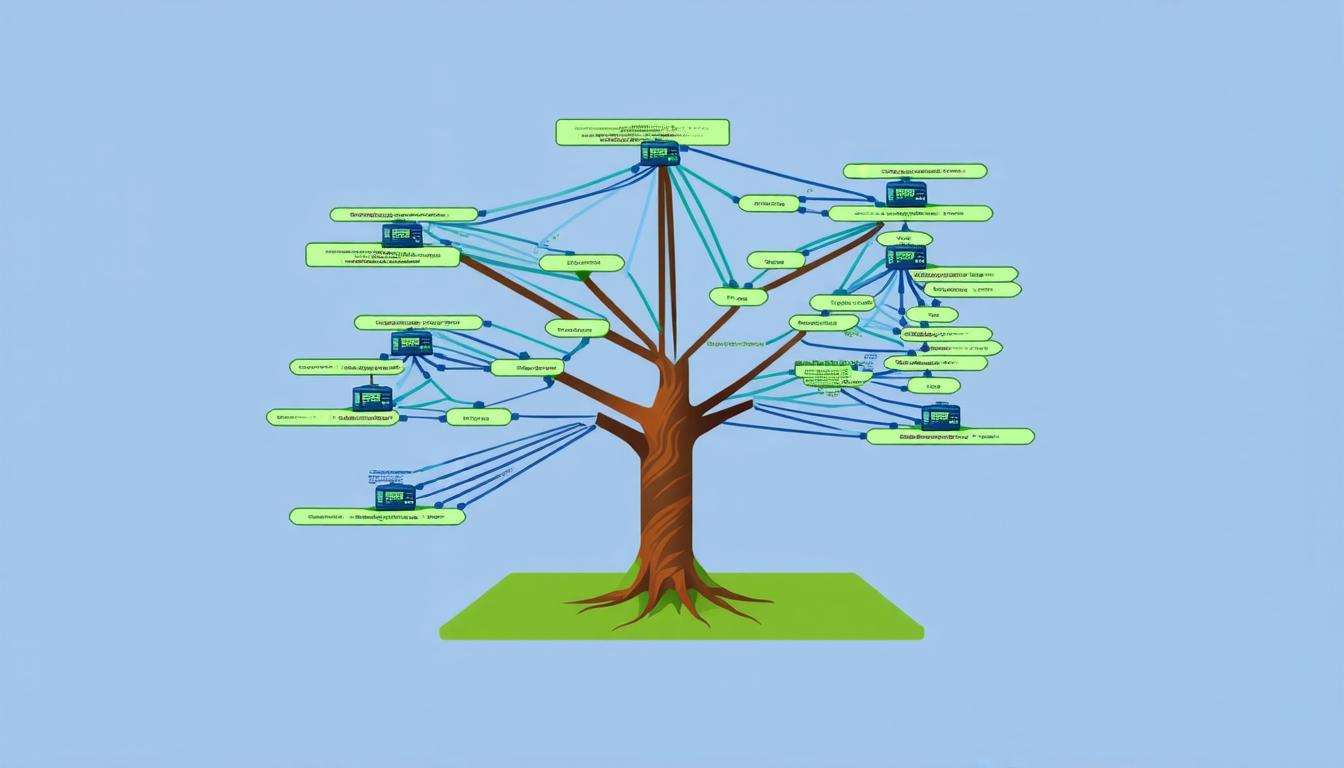
One key finding is that many software projects exhibit a phenomenon known as preferential attachment, where newer versions or releases are more likely to link to older ones than to each other. This creates a pattern of growth where the network of dependencies between different versions becomes increasingly centralized over time.
But what’s fascinating about this study is that it goes beyond just identifying this trend and instead delves deeper into understanding why it happens. By examining the specific rules and mechanisms that govern how software developers create and modify code, researchers have been able to identify two distinct types of growth: internal and external.
Internal growth refers to the way in which new features or functionality are added to existing projects over time. This can involve modifying existing code or creating new modules or subprojects. External growth, on the other hand, involves the creation of entirely new projects that draw from existing software or libraries.
The study found that internal growth tends to dominate early on, with developers building upon existing code and gradually adding new features. However, as a project grows in complexity and size, external growth becomes more prominent, with new projects emerging that borrow ideas or code from older ones.
This is important not just for understanding the dynamics of software development but also for predicting how different projects will evolve over time. By analyzing the patterns of growth and interaction between different projects, researchers can gain insights into which projects are likely to thrive or stagnate.
Another interesting aspect of this study is its focus on the role of temporal information in shaping the structure of software networks. The authors found that by incorporating temporal data – such as when a particular version was released or modified – they were able to better understand how the network evolved over time and identify key events or milestones that marked significant changes.
For example, one notable finding was that the adoption of specific tools or technologies can have a profound impact on the growth and structure of software networks. By analyzing the timing and frequency of these adoptions, researchers can gain insights into how different projects responded to new innovations and which ones were more successful in adapting to changing circumstances.
Overall, this study provides a fascinating glimpse into the complex dynamics of software development and highlights the importance of considering temporal factors when studying network structure.
Cite this article: “Unraveling the Evolution of Software Development: Insights from Temporal Network Analysis”, The Science Archive, 2025.
Software Heritage, Preferential Attachment, Software Development, Network Growth, Internal Growth, External Growth, Complexity, Size, Temporal Data, Innovation Adoption





