

Monday 10 March 2025
Researchers have shed new light on the behavior of antimonene, a promising new material that’s been hailed as a potential successor to graphene. By studying the interactions between antimonene and gold surfaces, scientists have gained insight into how this material can be tuned for specific applications.
Antimonene is a type of 2D material, meaning it consists of a single layer of atoms arranged in a specific pattern. It’s been shown to possess unusual electronic properties, including high carrier mobility and the ability to conduct electricity with minimal resistance. These traits make antimonene an attractive candidate for use in next-generation electronics.
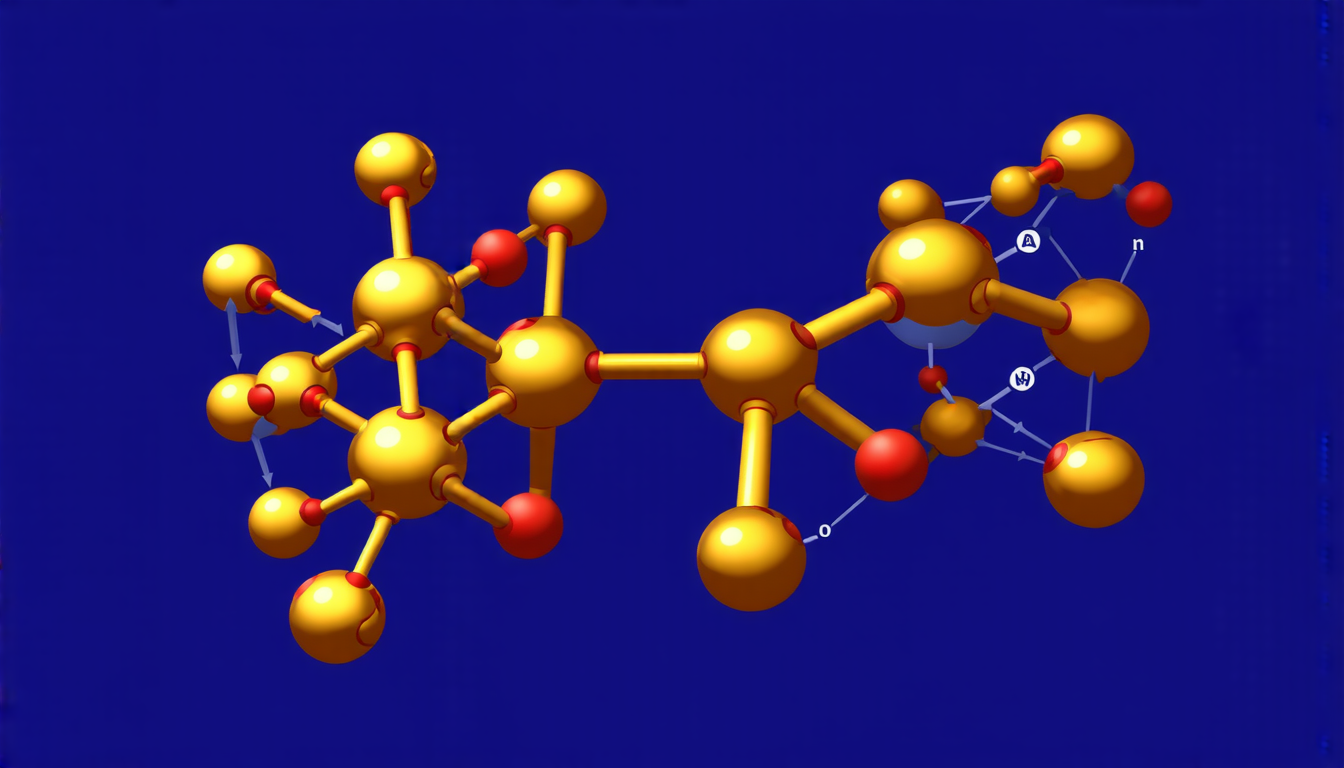
In their study, researchers used advanced computational methods to simulate the behavior of antimonene on gold surfaces. They found that when antimonene is deposited onto a gold surface, it undergoes significant structural changes. The material’s atoms rearrange themselves to form new bonds with the gold atoms, creating a complex interface.
This interface plays a crucial role in determining the electronic properties of the material. The researchers discovered that the interaction between antimonene and gold leads to the formation of hybridized states – essentially, a blending of the two materials’ electron structures. This process has a profound impact on the material’s electrical conductivity, allowing it to be tuned for specific applications.
One of the most significant findings of the study is the discovery of a previously unknown mechanism for controlling antimonene’s electronic properties. By carefully designing the interface between antimonene and gold, researchers can manipulate the material’s carrier mobility and electron density. This could enable the creation of devices with unique electrical characteristics, such as high-speed transistors or ultra-sensitive sensors.
The study also highlights the importance of considering the interactions between 2D materials and their underlying substrates. In the past, researchers have often overlooked these interfaces, assuming that they wouldn’t significantly impact the material’s properties. However, this new work shows that the interface can play a critical role in determining the material’s behavior.
The findings of this study have significant implications for the development of next-generation electronics and optoelectronics. By understanding how to control the interactions between antimonene and gold surfaces, researchers can create materials with tailored properties for specific applications. This could lead to breakthroughs in fields such as quantum computing, energy storage, and advanced sensing technologies.
In addition to its practical implications, this research also sheds light on the fundamental physics underlying 2D material behavior.
Cite this article: “Unlocking the Secrets of Antimonenes Electronic Properties”, The Science Archive, 2025.
Antimonene, Graphene, 2D Materials, Gold Surfaces, Electronic Properties, Carrier Mobility, Electron Density, Interface Engineering, Quantum Computing, Optoelectronics





