
Monday 10 March 2025
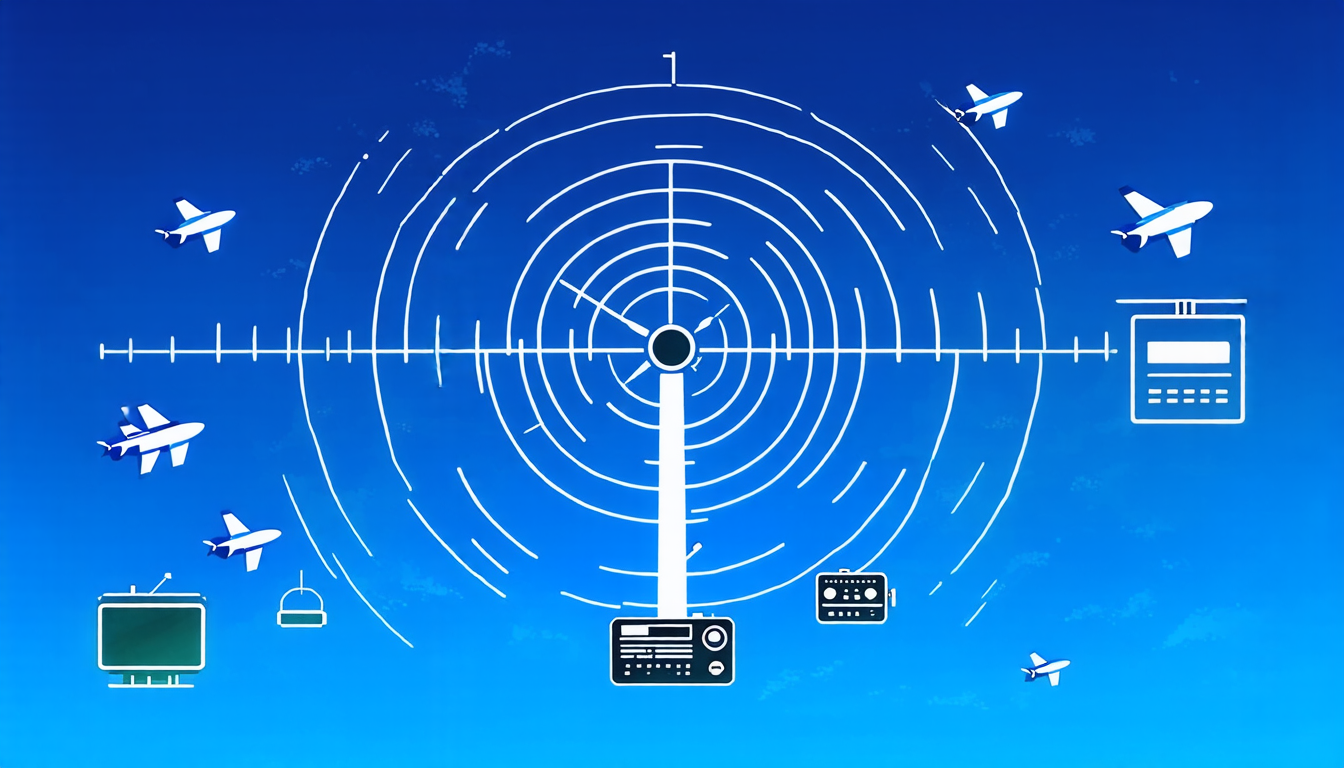
The quest for a reliable and efficient way to detect radar signals in crowded radio frequency (RF) environments has long been a challenge for researchers. Radar systems, used for navigation, surveillance, and communication, operate across a wide range of frequencies, making it difficult to distinguish between different types of signals.
Recently, scientists have made significant progress in developing a dataset that can help overcome this hurdle. The dataset, called RadDet, provides 11 classes of radar samples across six different signal-to-noise ratios (SNRs), two radar density environments, and three time-frequency resolutions. Each sample is accompanied by corresponding time-frequency annotations, allowing researchers to train machine learning models for accurate detection.
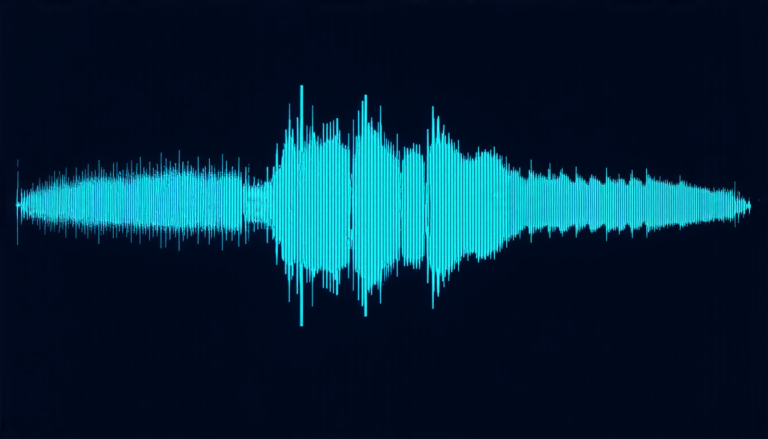
The team behind RadDet used a combination of algorithms and techniques to generate the dataset. They first created synthetic radar signals using an emitter parameter library, which simulates real-world radar systems. The signals were then embedded in noise to create realistic scenarios, mimicking the challenges faced by radar systems in crowded RF environments.
To make detection more challenging, the team also introduced variations in signal strength and frequency content. This allowed them to test the performance of different machine learning models under diverse conditions. The resulting dataset is a valuable resource for researchers working on radar signal processing and detection.
The potential applications of RadDet are vast. With this dataset, scientists can develop more accurate and efficient radar detection systems, which could have significant implications for fields such as aviation, navigation, and surveillance. Moreover, the techniques used to create RadDet can be adapted to other areas where signal detection is crucial, such as medical imaging or environmental monitoring.
The development of RadDet demonstrates the importance of collaboration between researchers from different disciplines. By combining expertise in radar systems, machine learning, and data generation, scientists can create innovative solutions that push the boundaries of what is possible.
As researchers continue to work with RadDet, they are likely to uncover new insights into the complexities of radar signal detection. With this dataset, the possibilities for advancing our understanding of RF environments and developing more effective detection systems are endless.
Cite this article: “Unlocking Radar Detection: A New Dataset for Signal Processing Research”, The Science Archive, 2025.
Radar Signals, Machine Learning, Dataset, Signal-To-Noise Ratio, Snr, Radar Density Environments, Time-Frequency Resolutions, Emitter Parameter Library, Synthetic Radar Signals, Noise.