

Monday 10 March 2025
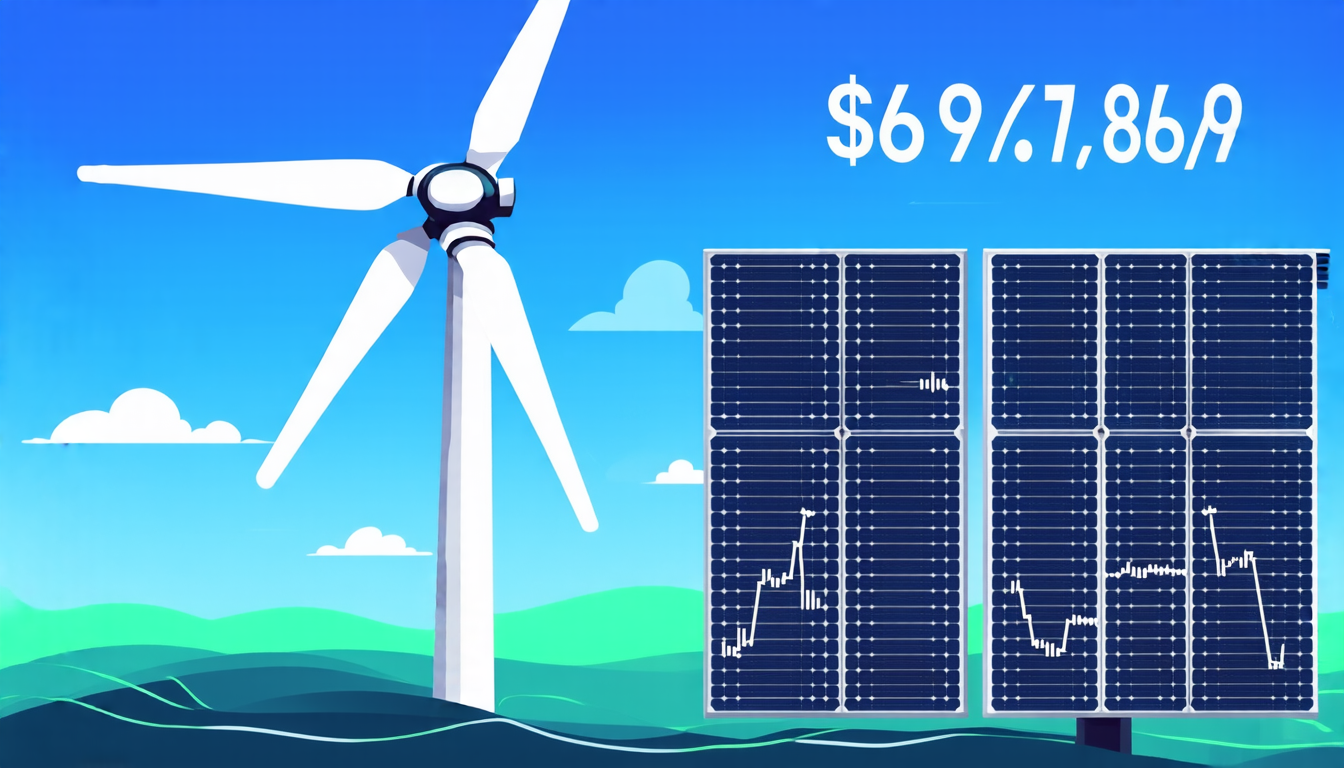
As the world continues to shift towards a renewable energy future, understanding how wind and solar power affect electricity prices has become increasingly important. A recent study has made significant strides in this area by developing a new method to accurately estimate the impact of these renewables on wholesale electricity prices.
The researchers used a combination of machine learning algorithms and data from the UK’s National Energy System Operator (NESO) to develop their model. They found that, over time, wind power generation has become increasingly effective at reducing electricity prices, particularly during periods of low demand. In contrast, solar power generation has a more limited impact on prices due to its intermittent nature.
The study also revealed that the price-reducing effects of both wind and solar power have become more pronounced as their penetration levels increase. This is likely due to the fact that increased deployment of these renewables reduces the need for fossil fuels, which are typically more expensive.
One of the key challenges in estimating the impact of renewables on electricity prices is accounting for the complex interplay between different energy sources and market drivers. The researchers addressed this issue by incorporating a range of confounding factors into their model, including weather patterns, time of day, and month of the year.
The resulting estimates provide a detailed picture of how wind and solar power affect electricity prices across different scenarios. For example, the study found that a 1 GWh increase in wind power generation reduces wholesale prices by up to 7 GBP/MWh during periods of low demand.
These findings have significant implications for policymakers and energy market operators seeking to integrate more renewables into their systems. By better understanding the impact of wind and solar power on electricity prices, they can make informed decisions about how to manage supply and demand, ultimately leading to a more efficient and sustainable energy system.
The study’s approach also has broader applications beyond the UK, as it provides a framework for assessing the impact of renewables on electricity markets worldwide. As the global energy landscape continues to evolve, this research will play an important role in helping us navigate the transition towards a low-carbon future.
In addition to its practical implications, the study highlights the potential of machine learning algorithms to tackle complex problems in energy economics. By combining large datasets with advanced statistical techniques, researchers can gain new insights into the behavior of energy markets and develop more accurate models for predicting price movements.
Cite this article: “Quantifying the Impact of Wind and Solar Power on Electricity Prices”, The Science Archive, 2025.
Renewable Energy, Wind Power, Solar Power, Electricity Prices, Machine Learning, National Energy System Operator, Wholesale Market, Energy Economics, Fossil Fuels, Data Analytics





