

Monday 10 March 2025
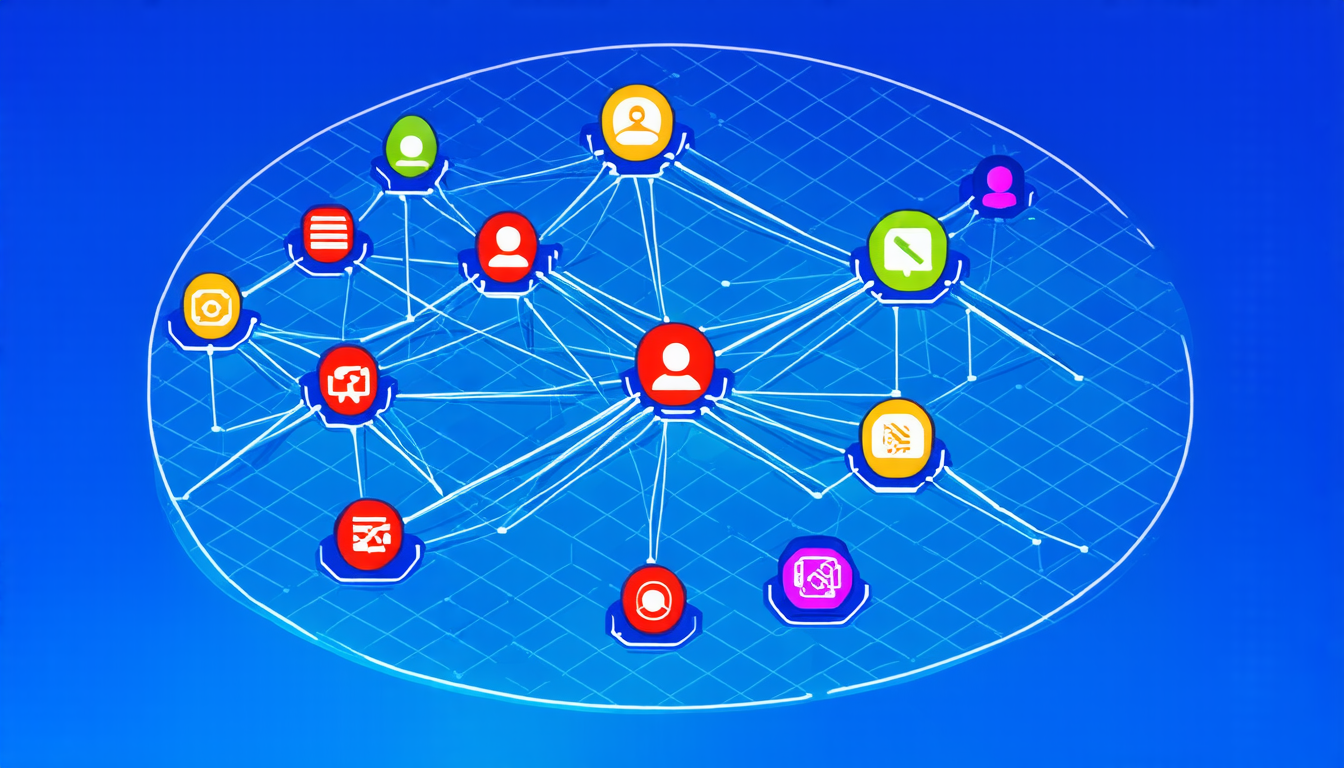
Researchers have made a significant breakthrough in the field of decentralized learning, developing a new strategy that allows devices to learn together without relying on a central authority. This approach, called GLow, uses a novel simulation framework to enable fully decentralized communication among devices, making it an attractive solution for large-scale machine learning applications.
The traditional way of training machine learning models relies heavily on centralized data centers and cloud services. However, this approach has several limitations, including high energy consumption, privacy concerns, and scalability issues. Decentralized learning, on the other hand, allows devices to learn together without sharing their raw data, making it a more efficient and secure alternative.
GLow is designed to overcome some of the challenges associated with decentralized learning, such as communication overhead and Byzantine faults. By leveraging a simulation framework called Flower, GLow enables devices to communicate with each other in a fully decentralized manner, allowing them to learn from each other’s experiences and improve their performance.
One of the key features of GLow is its ability to simulate different network topologies and agent behaviors, making it an ideal tool for researchers to test and evaluate their algorithms. This flexibility allows developers to design and optimize their systems more effectively, leading to better performance and scalability.
In addition to its simulation capabilities, GLow also provides a robust framework for decentralized learning, enabling devices to learn from each other’s experiences and improve their performance over time. By leveraging the collective knowledge of the network, devices can adapt to changing environments and make more accurate predictions, making it an attractive solution for applications such as smart cities, autonomous vehicles, and healthcare.
The potential benefits of GLow are numerous, including improved scalability, reduced energy consumption, and enhanced security. As the amount of data generated by IoT devices continues to grow, decentralized learning solutions like GLow will play a critical role in enabling efficient and secure machine learning applications.
In the future, researchers plan to further develop GLow, exploring new ways to optimize its performance and expand its capabilities. With its ability to simulate different network topologies and agent behaviors, GLow has the potential to revolutionize the field of decentralized learning, making it an exciting development in the world of artificial intelligence.
Cite this article: “Decentralized Learning Breakthrough: Introducing GLow”, The Science Archive, 2025.
Machine Learning, Decentralized Learning, Glow, Simulation Framework, Flower, Network Topologies, Agent Behaviors, Scalability, Energy Consumption, Artificial Intelligence





