

Monday 10 March 2025
The quest for machines that can learn and adapt, like humans do, has been a longstanding goal in artificial intelligence research. Recently, scientists have made significant progress towards achieving this goal by developing a new approach to compositional zero-shot learning.
Compositional zero-shot learning is the ability of an AI system to recognize objects or scenes it has never seen before, even if they are composed of parts or features that it has learned about separately. This is a challenging task because the system must be able to understand how these individual components fit together to form a new and unfamiliar whole.
The key innovation behind this new approach is the concept of homogeneous group representation learning. In essence, this involves breaking down complex objects into smaller groups based on their shared characteristics, such as shape or texture, and then learning separate representations for each group. This allows the AI system to capture nuanced patterns and relationships between different components that it might not have noticed otherwise.
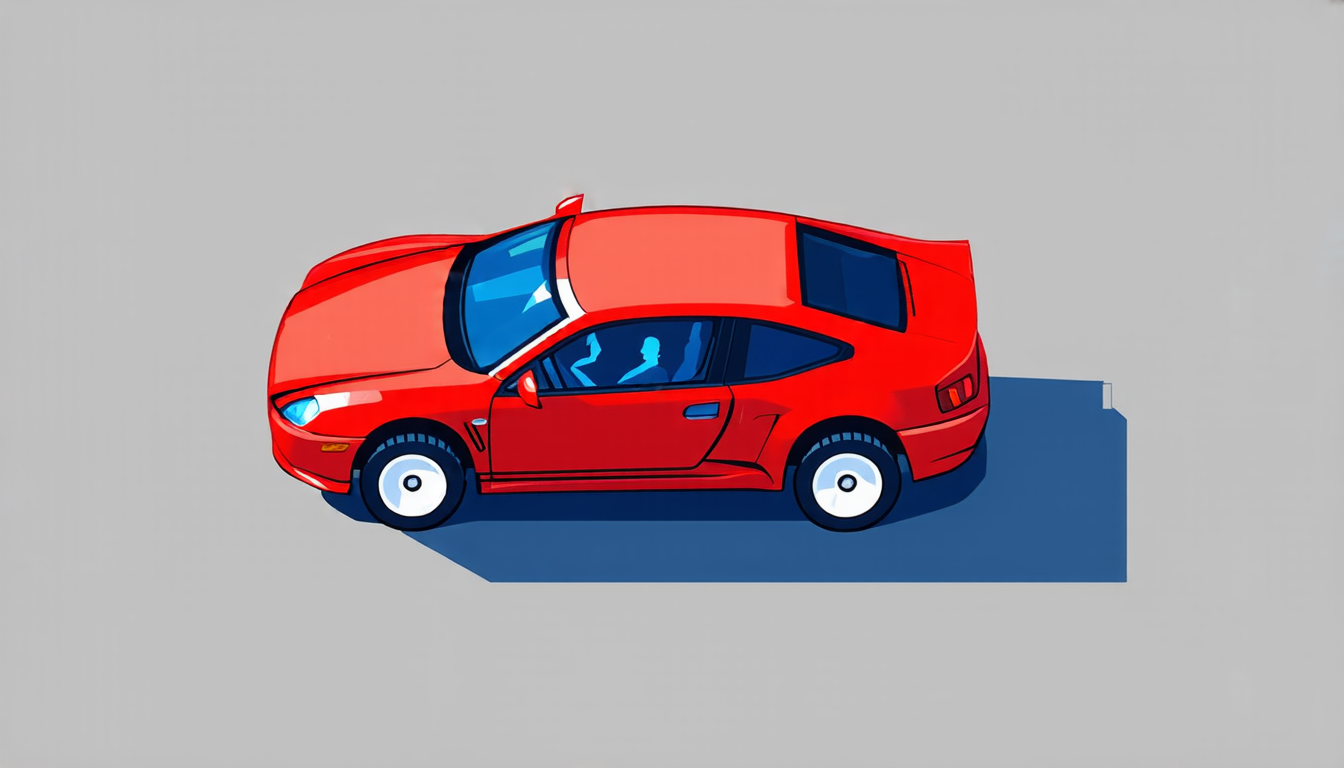
One of the most interesting aspects of this approach is its ability to handle conditional dependencies, which are situations where the same object or scene can exhibit vastly different visual features depending on the context in which it appears. For example, a red car might look very different when viewed from above versus from the side. The new method is able to adapt to these changing conditions by learning multiple representations for each group, rather than trying to compress all of this information into a single prototype.
To test the effectiveness of this approach, researchers trained their AI system on a dataset of images featuring various objects and scenes. They then used the system to recognize new, unseen examples that were composed of parts or features from the training data. The results were impressive, with the system able to achieve high accuracy rates even when faced with novel combinations of familiar components.
The implications of this research are significant, as it could potentially enable AI systems to learn and adapt more effectively in a wide range of situations. This could have important applications in areas such as robotics, healthcare, and finance, where machines need to be able to quickly understand and respond to new information.
However, there is still much work to be done before this technology can be widely adopted. For one thing, the researchers will need to develop more sophisticated methods for selecting which groups of components are most relevant in a given situation. They will also need to find ways to scale their approach up to larger and more complex datasets.
Cite this article: “Compositional Zero-Shot Learning: AIs Next Leap Forward”, The Science Archive, 2025.
Artificial Intelligence, Machine Learning, Compositional Zero-Shot Learning, Homogeneous Group Representation Learning, Object Recognition, Scene Understanding, Conditional Dependencies, Visual Features, Robotics, Healthcare.





