

Monday 10 March 2025
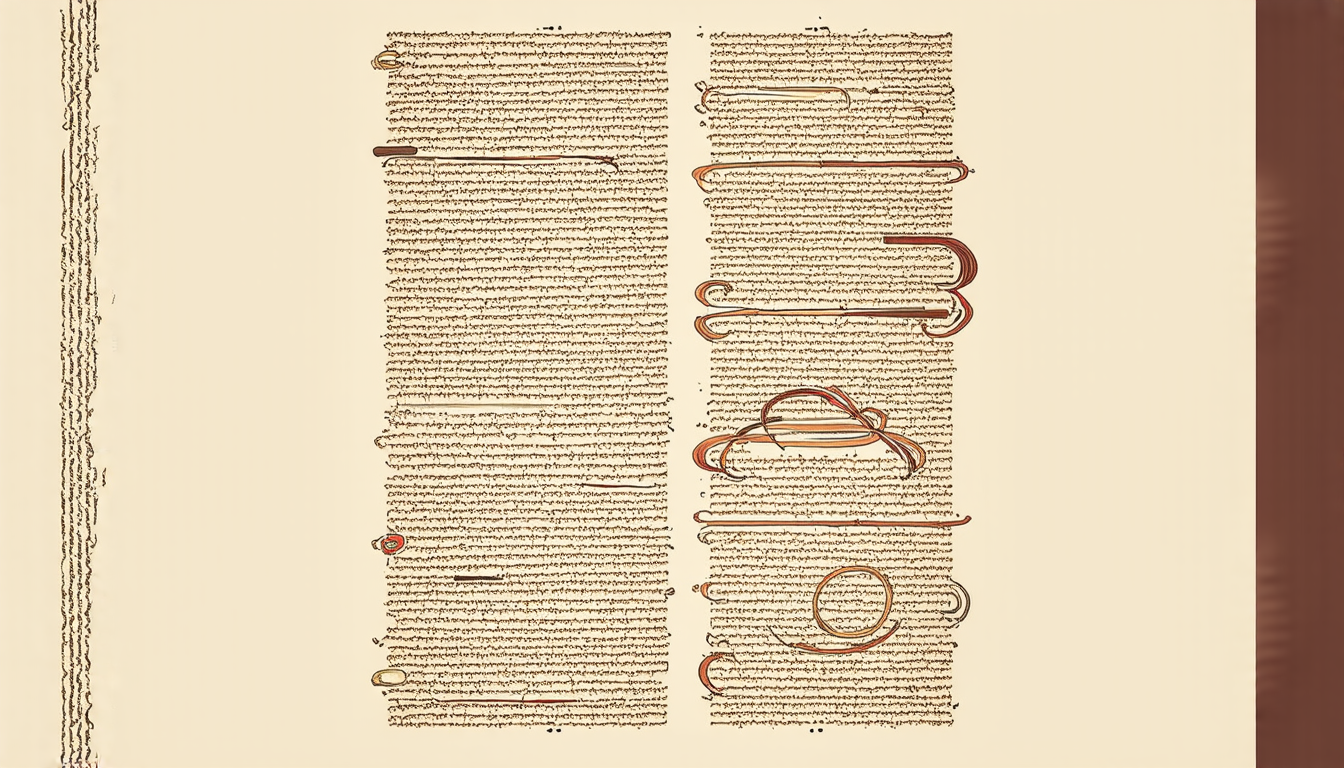
For centuries, scholars have been fascinated by a peculiar literary device used in ancient texts: chiasmus. This intricate pattern of repetition and symmetry is believed to add depth, meaning, and rhetorical flair to written works. However, identifying chiasmi has traditionally been a laborious task, relying on human annotation and interpretation.
Enter the world of artificial intelligence, where researchers have developed an innovative algorithm to detect chiasmi in ancient texts with unprecedented accuracy. This new approach uses statistical methods to analyze the semantic relationships between words and phrases within a text, rather than simply searching for repetitive patterns.
The algorithm was tested on the Hebrew Old Testament, one of the richest sources of chiasmus in literature. By applying this method, researchers were able to identify over 2,000 potential chiasmi, including many that had gone unnoticed by human scholars. This staggering number is a testament to the power of computational analysis in uncovering hidden patterns and meanings.
One of the most fascinating aspects of this study is its ability to shed light on the literary techniques used by ancient authors. By analyzing the structure and content of chiasmi, researchers can gain insight into the author’s intentions, themes, and narrative strategies. This newfound understanding can revolutionize our appreciation for these ancient texts, revealing new layers of meaning and complexity.
The study also highlights the potential applications of this technology beyond biblical studies. Chiasmus is a common literary device in many cultures and languages, making it a valuable tool for analyzing and comparing texts from diverse traditions. Additionally, the algorithm’s ability to identify patterns in large datasets could have significant implications for fields such as cryptography, data analysis, and natural language processing.
The researchers behind this study have made a significant contribution to the field of biblical studies, offering a new perspective on an ancient literary device. Their innovative approach demonstrates the potential of computational methods to uncover hidden meanings and shed light on the creative processes of authors from centuries past.
Cite this article: “Uncovering Hidden Patterns: AI-Powered Chiasmus Detection in Ancient Texts”, The Science Archive, 2025.
Chiasmus, Artificial Intelligence, Algorithm, Hebrew Old Testament, Literary Device, Ancient Texts, Statistical Methods, Semantic Relationships, Computational Analysis, Biblical Studies





