

Monday 10 March 2025
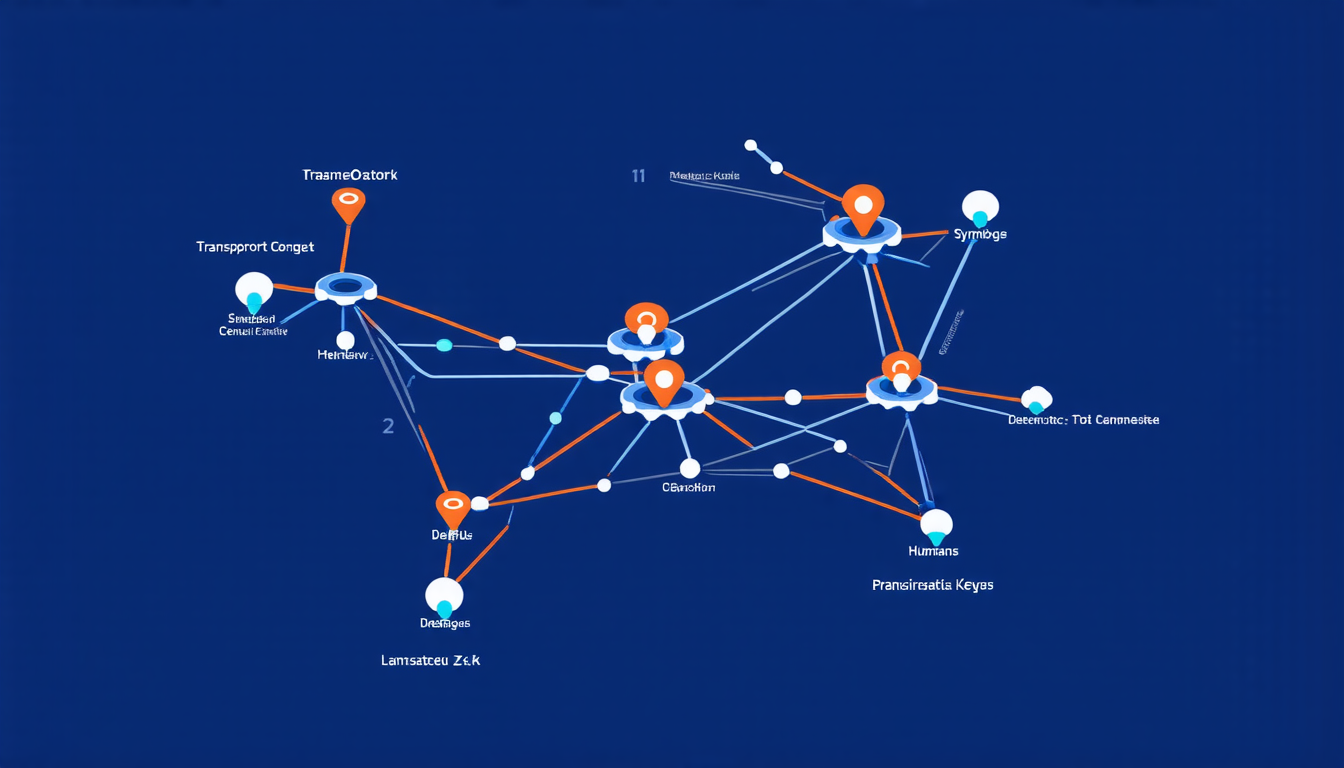
Researchers have developed a new method for identifying the most important nodes in complex networks, such as social media platforms or transportation systems. The approach uses a technique called eigenvector centrality, which measures the importance of each node by analyzing its connections to other nodes.
The team’s innovation lies in their ability to identify not only the central nodes but also the specific edges that connect them. This allows for a more nuanced understanding of how information flows through the network and which nodes are most critical to its functioning.
In complex networks, centrality measures can be used to identify key players or hubs that play a crucial role in facilitating communication or resource sharing. However, traditional methods often rely on simplifying assumptions about the network’s structure, which can lead to inaccurate results.
The researchers’ approach addresses this limitation by incorporating information about the edges themselves into their analysis. This allows them to capture more subtle patterns and relationships within the network, providing a more accurate picture of centrality.
One potential application of this method is in the field of epidemiology, where it could be used to identify the most critical nodes for disease transmission. By understanding which individuals or locations are most connected and influential, public health officials could target their interventions more effectively.
Another area where this research could have a significant impact is in social network analysis. Social media platforms, for example, rely on complex networks of users and connections to facilitate communication and information sharing. Identifying the central nodes and edges within these networks could help platform developers create more effective algorithms for recommending content or connecting users.
The researchers’ approach also has implications for transportation systems, where understanding centrality could inform decisions about infrastructure development and maintenance. By identifying the most critical routes or nodes in a transportation network, planners could optimize resource allocation and reduce congestion.
Overall, this research represents an important step forward in our ability to analyze and understand complex networks. By incorporating information about edges into their analysis, the researchers have developed a more nuanced and accurate method for identifying centrality that has far-reaching implications across a range of fields.
Cite this article: “Uncovering Network Secrets: A New Approach to Identifying Central Nodes and Edges”, The Science Archive, 2025.
Complex Networks, Eigenvector Centrality, Node Importance, Edge Analysis, Network Structure, Simplifying Assumptions, Epidemiology, Social Network Analysis, Transportation Systems, Infrastructure Development.





