
Tuesday 11 March 2025
The digital divide has long been a concern in modern society, with many people struggling to access and effectively use technology. Now, researchers have shed light on another layer of complexity in this issue: the role of intermediaries in bridging the gap between governments and citizens.
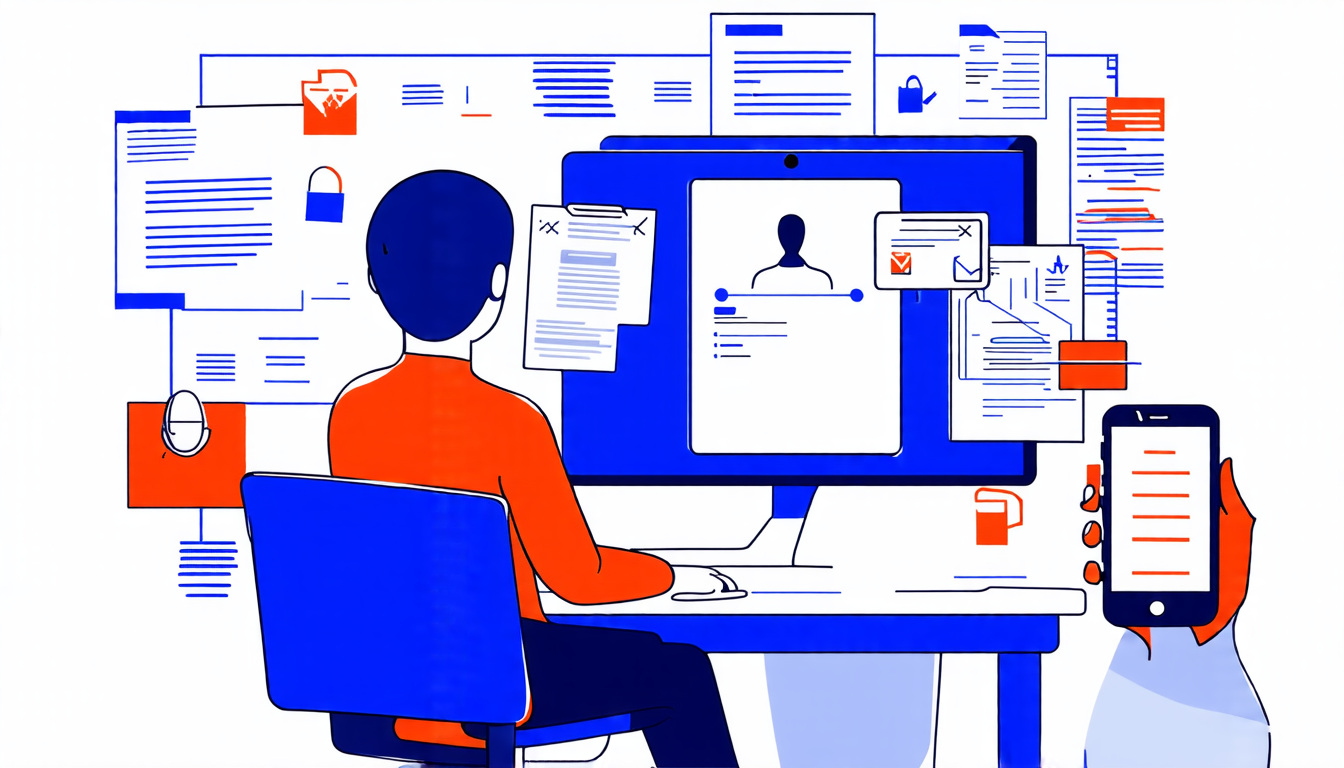
In Chile, where e-government initiatives are widespread, a study has found that digital intermediaries play a crucial role in facilitating communication between citizens and public institutions. These intermediaries can be family members, peers, political figures, bureaucrats or community leaders who help citizens navigate the complex system of government services online.
The researchers discovered that these intermediaries often operate outside of formal structures, relying on personal networks and social relationships to facilitate access to information and services. They found that around 60% of Chileans use digital intermediaries to complete online transactions with the government, highlighting their importance in bridging the digital divide.
This finding has significant implications for policymakers seeking to improve public service delivery and increase citizen engagement. By recognizing the role of digital intermediaries, governments can work to build stronger relationships with these individuals, providing them with training and resources to better facilitate access to services.
The study also highlights the need to consider the social and cultural contexts in which technology is used. Digital intermediaries often operate within specific networks and communities, and their effectiveness depends on their ability to understand and navigate these complex social structures.
Furthermore, the researchers argue that digital intermediaries can help address issues of trust and mistrust between citizens and governments. By providing a human touch and building relationships with citizens, these intermediaries can help rebuild faith in public institutions and improve overall governance.
The study’s findings have important implications for policymakers seeking to promote digital inclusion and improve government services. By recognizing the role of digital intermediaries and working to build stronger relationships with them, governments can create more effective and inclusive systems of service delivery.
In addition, the researchers suggest that digital intermediaries could play a key role in promoting digital literacy and improving access to online services. By providing training and support to these individuals, governments can help ensure that citizens have the skills and resources they need to effectively use technology and access public services.
Overall, this study highlights the importance of understanding the complex social dynamics surrounding the digital divide. By recognizing the role of digital intermediaries and working to build stronger relationships with them, policymakers can create more effective and inclusive systems of service delivery, ultimately promoting greater citizen engagement and trust in government.
Cite this article: “Digital Intermediaries: Bridging the Gap Between Citizens and Governments”, The Science Archive, 2025.
Digital Divide, E-Government, Intermediaries, Chile, Online Transactions, Public Service Delivery, Citizen Engagement, Trust, Mistrust, Digital Literacy, Governance.