

Tuesday 11 March 2025
The pursuit of understanding animal behavior has long been a fascination for scientists and researchers alike. One of the primary challenges in studying behavior is accurately tracking the movements and actions of animals, particularly when they’re moving quickly or in complex environments. To tackle this problem, a team of researchers has developed an innovative approach that combines machine learning with traditional photogrammetry techniques.
The method, which involves using deep learning to model the movements of an animal’s body parts, allows for more accurate tracking and analysis of behavior. This is particularly useful in situations where the animal is moving rapidly or there are obstacles present that could obstruct the view of the cameras.
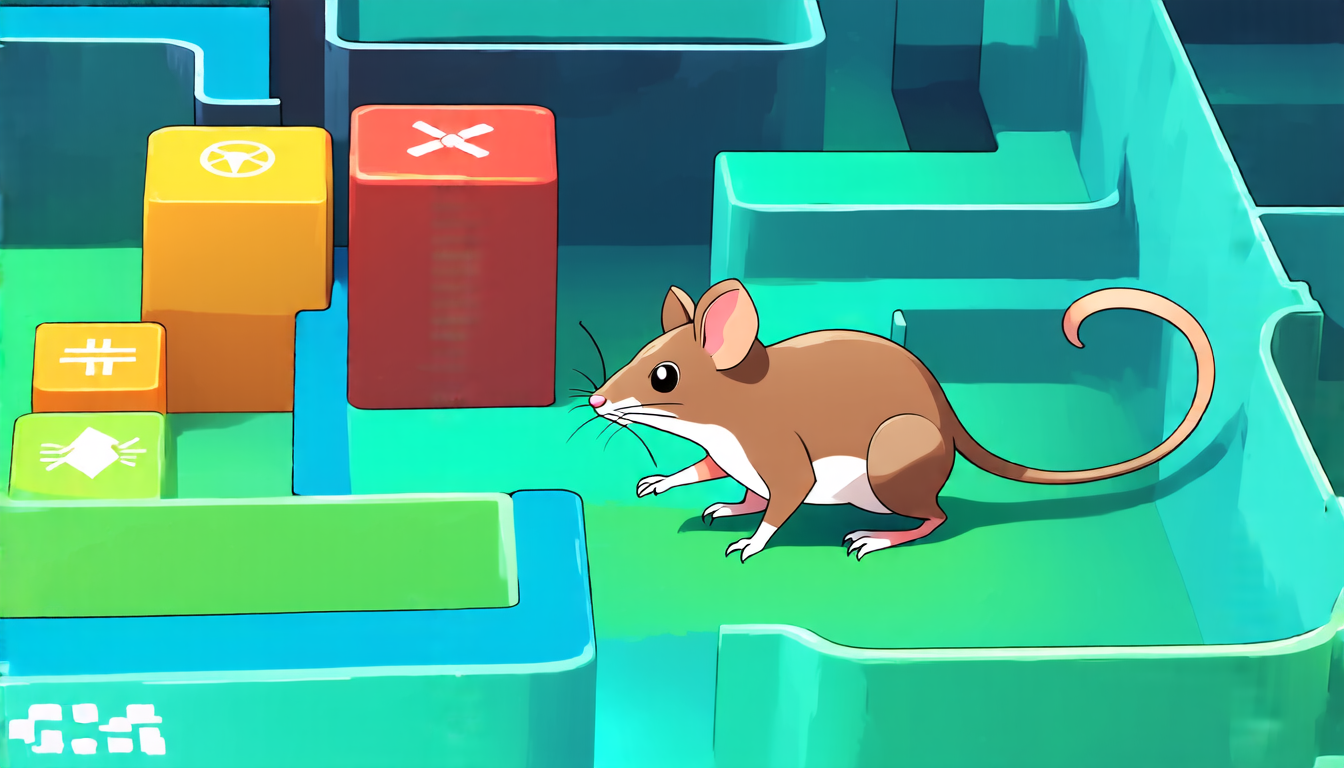
To develop this approach, the researchers used a combination of simulated data and real-world observations from experiments with mice. They created a digital model of a mouse’s body, complete with movable parts such as legs, ears, and tail, and then used machine learning algorithms to train the model on how these parts move in response to different stimuli.
Once the model was trained, it was applied to real-world data collected from cameras observing the mice as they navigated complex environments. The researchers found that the model accurately predicted the movements of the mouse’s body parts, even when there were obstacles present or the animal was moving quickly.
This approach has significant implications for the study of animal behavior and could potentially be used in a variety of fields, including biology, psychology, and veterinary medicine. By allowing scientists to more accurately track and analyze the movements of animals, this method could provide new insights into how they interact with their environments and make decisions about how to behave.
One potential application of this technology is in the study of problem-solving behavior in animals. For example, researchers could use this approach to analyze how mice solve complex puzzles or learn from experience. This could provide valuable insights into the cognitive abilities of animals and how they adapt to new situations.
Another potential application is in the development of more advanced animal tracking systems. By combining machine learning with photogrammetry, it may be possible to create systems that can track multiple animals at once or monitor their behavior over long periods of time.
Overall, this innovative approach has the potential to revolutionize the way scientists study animal behavior and could lead to new insights into how animals interact with their environments and make decisions about how to behave.
Cite this article: “Unlocking Animal Behavior: A New Approach Combining Machine Learning and Photogrammetry”, The Science Archive, 2025.
Animal Behavior, Machine Learning, Photogrammetry, Tracking, Animal Movement, Deep Learning, Body Part Modeling, Mouse Behavior, Problem-Solving, Cognitive Abilities





