

Thursday 23 January 2025
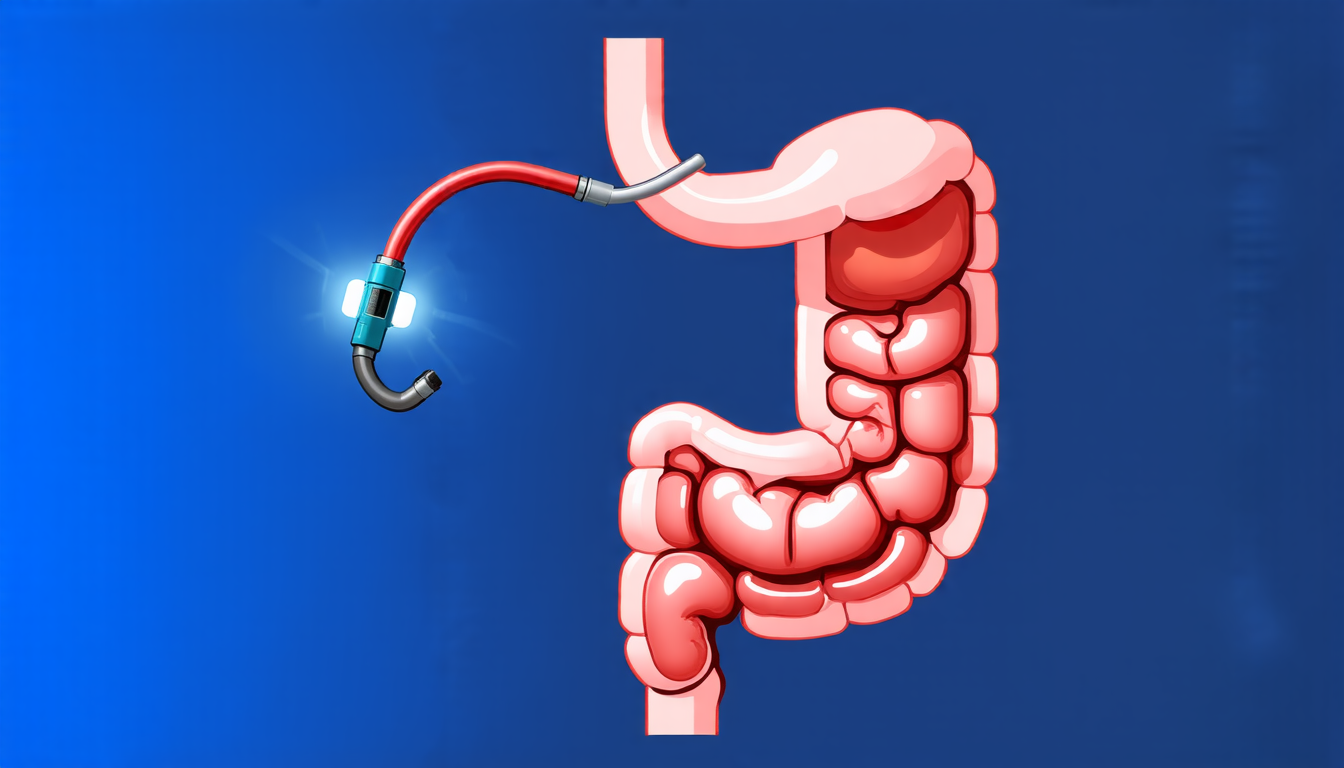
A new AI-powered chatbot is making waves in the medical community, promising to revolutionize the way surgeons and medical professionals communicate during complex procedures. Dubbed EndoChat, this innovative system uses a large language model to generate human-like responses to questions posed by surgeons and other medical staff during endoscopic surgeries.
The system’s creators have designed EndoChat to learn from a vast dataset of surgical videos, annotated with specific tasks and outcomes. By analyzing these videos, the AI can identify key features and patterns that are relevant to surgical procedures, allowing it to generate accurate and helpful responses to questions about patient care, treatment options, and more.
One of the most significant advantages of EndoChat is its ability to provide real-time feedback and guidance during surgeries. Surgeons can ask the system questions about a patient’s condition, and receive immediate answers that are tailored to their specific needs. This can help reduce errors, improve patient outcomes, and streamline surgical procedures.
But what makes EndoChat truly unique is its use of visual contrastive decoding, a technique that helps mitigate object hallucinations in large language models. These hallucinations occur when an AI model generates responses based on statistical biases and linguistic patterns rather than actual visual information. By incorporating visual contrastive decoding, EndoChat can ensure that its responses are accurate and relevant to the specific surgical scenario.
EndoChat is also designed to be highly adaptable and flexible, allowing it to learn from new data and incorporate feedback from medical professionals. This means that the system can continually improve over time, becoming even more accurate and effective in its responses.
While EndoChat is still a relatively new technology, its potential applications are vast and varied. Surgeons could use the system to get real-time guidance during complex procedures, while medical students could benefit from its ability to provide clear and concise explanations of surgical techniques. Patients, too, may be able to benefit from EndoChat’s ability to provide accurate and helpful information about their condition and treatment options.
As with any new technology, there are certainly challenges and limitations to consider. For example, the system will require extensive training and testing before it can be deployed in real-world surgical settings. Additionally, there may be concerns about the potential impact of AI-powered chatbots on human communication and collaboration during surgeries.
Despite these challenges, EndoChat represents a significant step forward in the development of AI-powered medical technologies.
Cite this article: “EndoChat: A Novel AI-Powered Chatbot for Enhanced Surgical Communication”, The Science Archive, 2025.
Endoscopic, Surgery, Chatbot, Ai, Medical, Language Model, Real-Time, Feedback, Visual Contrastive Decoding, Object Hallucinations





