
Tuesday 11 March 2025
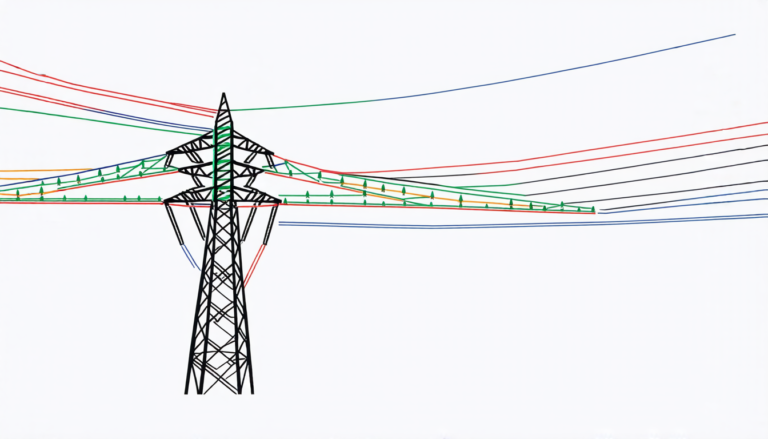
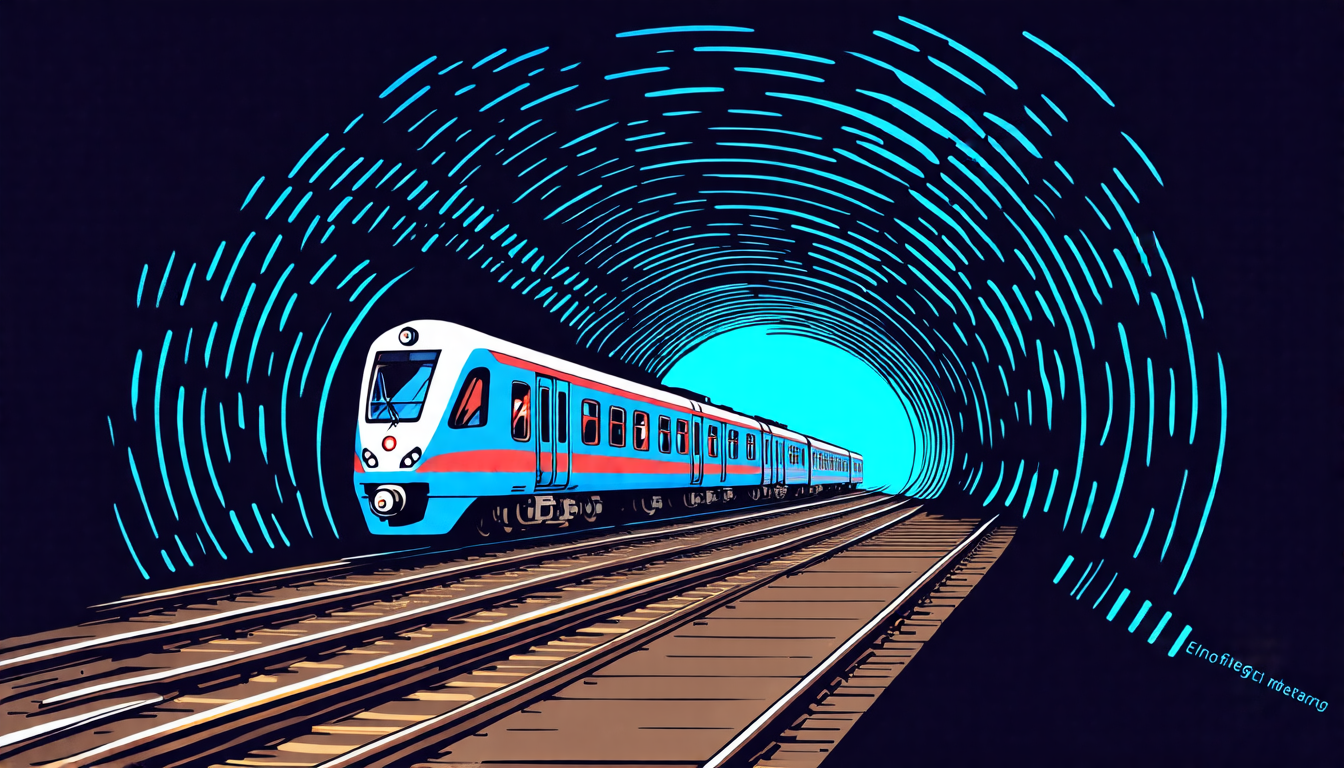
Researchers have been exploring ways to improve the resilience of wireless communication systems in the face of electromagnetic interference (EMI). EMI can be caused by a variety of sources, including other devices emitting radio signals, power lines, and even lightning strikes. In the case of railway communications, EMI can be particularly problematic due to the high-speed trains and electrified tracks.
A recent study published in IEEE Transactions on Electromagnetic Compatibility investigated the impact of transient electromagnetic interference (EMI) on LTE-A and 5G-NR communication links. The researchers used software-defined radios to simulate the transmission of wireless signals over a controlled environment, mimicking the conditions found in real-world railway communications.
The results showed that both LTE-A and 5G-NR communication links are susceptible to performance degradation caused by transient EMI. However, the study also revealed that the 5G-NR link is more vulnerable to interference than the LTE-A link. This is likely due to the fact that 5G-NR uses higher frequency bands, which are more prone to interference.
The researchers used a double-sided exponential waveform to simulate the transient EMI signal, which mimicked the type of interference caused by pantograph-catenary contact loss in railway systems. The results showed that both communication links experienced significant degradation in performance, including increased error rates and reduced signal quality.
One of the key findings of the study was that the 5G-NR link is particularly sensitive to EMI signals with center frequencies between 2.1955 GHz and 2.2045 GHz. This frequency range corresponds to the typical operating frequency range of railway communication systems, making it a critical area for further research.
The study highlights the importance of developing robust interference mitigation strategies for wireless communication systems in railway environments. This could involve the use of advanced signal processing techniques, such as adaptive filtering and interference cancellation algorithms, to improve the resilience of communication links.
The findings of this study also have implications for the development of future 5G- NR communication standards. As 5G networks continue to evolve, it will be essential to incorporate robust interference mitigation strategies into the design of these systems to ensure reliable communication in a wide range of environments.
Overall, the study provides valuable insights into the impact of transient EMI on wireless communication systems and highlights the need for further research in this area.
Cite this article: “Mitigating Electromagnetic Interference in Railway Communication Systems: A Study on LTE-Α and 5G-NR Links”, The Science Archive, 2025.
Wireless Communication, Electromagnetic Interference, Lte-A, 5G-Nr, Railway Communications, Transient Emi, Signal Degradation, Error Rates, Signal Quality, Interference Mitigation