

Tuesday 11 March 2025
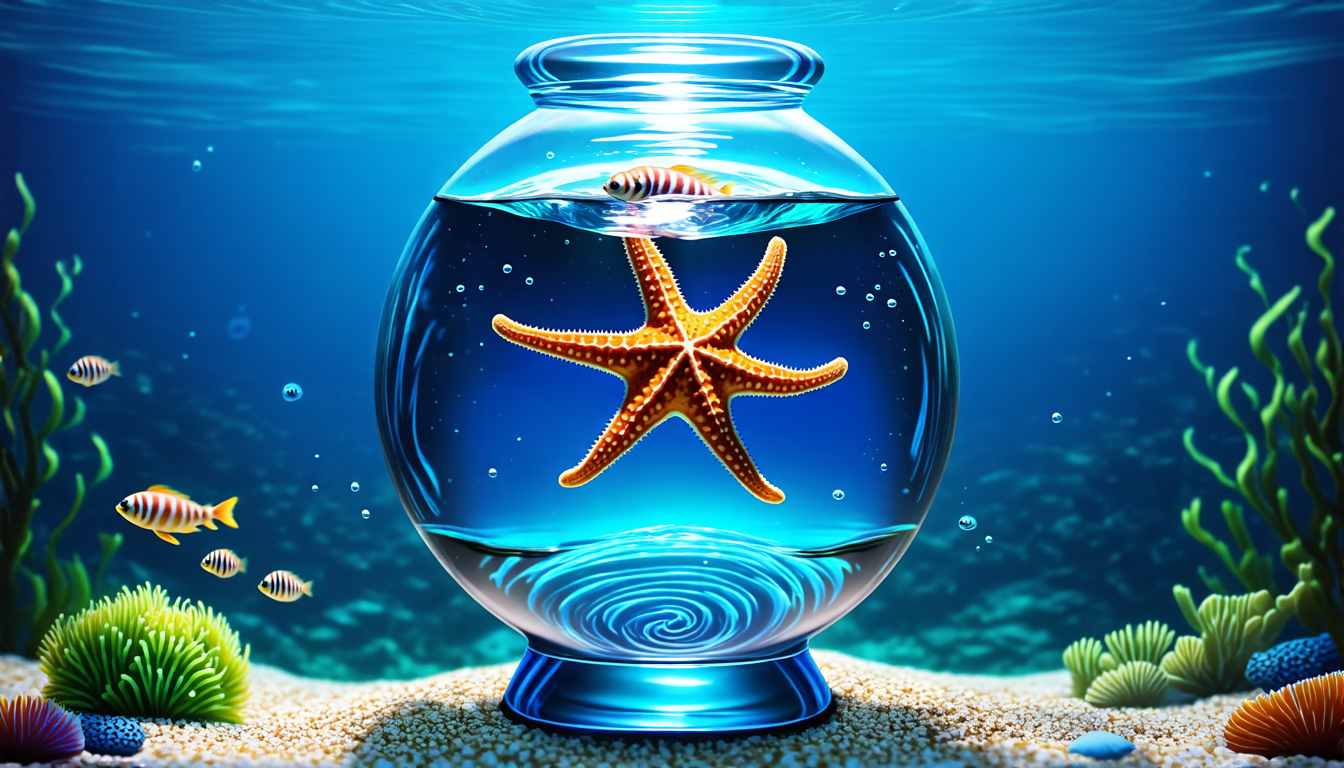
Scientists have long been fascinated by the intricate dance of marine life, where tiny creatures like starfish and sea urchins navigate their surroundings using cilia – whip-like structures that propel them through the water. But what happens when these delicate organisms are confined to a small space? Researchers from the University of Miami have recently shed light on this question, discovering that confinement can dramatically alter the way marine larvae move and interact with their environment.
To explore this phenomenon, the team used a combination of experiments and theoretical modeling to study the behavior of starfish and sea urchin larvae under different levels of confinement. They created miniature chambers made of glass slides and cover slips, which they then filled with water and placed the larvae inside. By observing the larvae’s movements using specialized imaging techniques, the researchers were able to map out the intricate flow patterns around each creature.
One of the most striking discoveries was that as the larvae became more confined, their cilia began to work together in new and unexpected ways. Instead of simply beating independently, the cilia started to synchronize with one another, creating complex vortex patterns that helped the larvae move through the water. This phenomenon was observed across all three types of larvae studied – early-stage starfish, late-stage starfish, and sea urchins.
But what’s even more remarkable is that these vortex patterns were not just limited to the larvae themselves. The researchers found that they also affected the surrounding water, creating localized eddies and currents that could influence the behavior of other nearby organisms. This raises intriguing questions about the potential role of confinement in shaping the interactions between different species in marine ecosystems.
Theoretical modeling played a crucial role in understanding these findings, as it allowed the team to simulate the flow patterns around the larvae under different conditions. By comparing their experimental results with simulations, the researchers were able to identify specific features that emerged when the larvae were more confined – such as increased vorticity and altered circulation patterns.
These discoveries have significant implications for our understanding of marine ecosystems, where confinement can occur in a variety of ways – from coral reefs to ocean currents. By studying how organisms adapt to these environments, scientists may gain valuable insights into the complex interactions that govern the delicate balance of marine life.
The findings also highlight the importance of considering the role of confinement in shaping the behavior and ecology of marine organisms.
Cite this article: “Confinements Hidden Influence on Marine Life”, The Science Archive, 2025.
Marine Life, Marine Larvae, Cilia, Confinement, Starfish, Sea Urchins, Vortex Patterns, Localized Eddies, Currents, Ocean Currents





