

Wednesday 12 March 2025
The latest breakthrough in speech recognition technology has just been unveiled, and it’s a game-changer for anyone who’s ever struggled to understand what someone is saying over a phone call or through a voice assistant. A team of researchers has created a massive dataset of Mandarin-English code-switching conversations, which they claim will significantly improve the accuracy of automatic speech recognition systems.
For those who aren’t familiar with the concept, code-switching refers to the practice of switching between two languages in a single conversation. It’s a common phenomenon in multilingual communities around the world, where speakers may switch from one language to another mid-sentence or even within a single word. However, it poses significant challenges for speech recognition systems, which are typically trained on monolingual datasets.
The new dataset, called DOTA-ME-CS, contains over 18 hours of audio recordings featuring Mandarin and English speakers engaging in conversations that seamlessly switch between the two languages. The recordings were created using a combination of human recorders and AI-driven modifications to simulate real-world scenarios, making it an incredibly rich and diverse resource for training machine learning models.
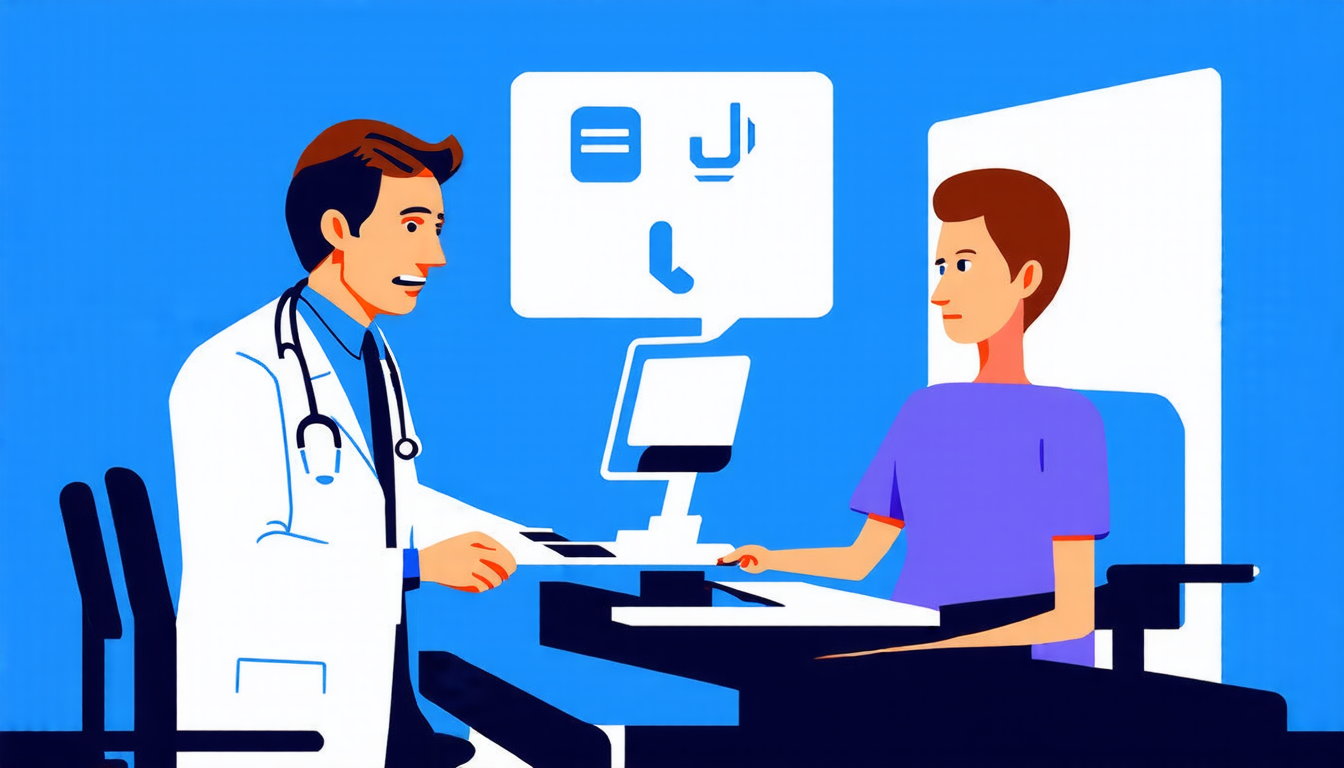
The dataset’s creators claim that DOTA-ME-CS will enable speech recognition systems to better handle code-switching conversations, which will have significant implications for applications such as voice assistants, language translation software, and even medical diagnosis. For example, a doctor speaking with a patient who has limited English proficiency could use an AI-powered translator that’s been trained on DOTA-ME-CS to accurately understand the patient’s symptoms.
One of the most impressive aspects of DOTA-ME-CS is its sheer scale. The dataset contains over 9,000 unique words and phrases in both Mandarin and English, making it a comprehensive resource for training machine learning models. Additionally, the dataset includes a range of audio features, such as pitch, tone, and rhythm, which will allow researchers to develop more sophisticated models that can better capture the nuances of human speech.
The implications of DOTA-ME-CS are far-reaching, extending beyond just language translation software. For instance, it could be used to improve the accuracy of voice assistants like Siri or Alexa, allowing them to better understand and respond to complex queries from multilingual users. It could also have significant benefits for healthcare applications, such as medical diagnosis or patient communication.
Cite this article: “Revolutionizing Speech Recognition with DOTA-ME-CS: A Game-Changing Dataset for Multilingual Conversations”, The Science Archive, 2025.
Speech Recognition, Code-Switching, Mandarin, English, Dataset, Machine Learning, Voice Assistants, Language Translation, Medical Diagnosis, Multilingual Communities





