
Wednesday 12 March 2025
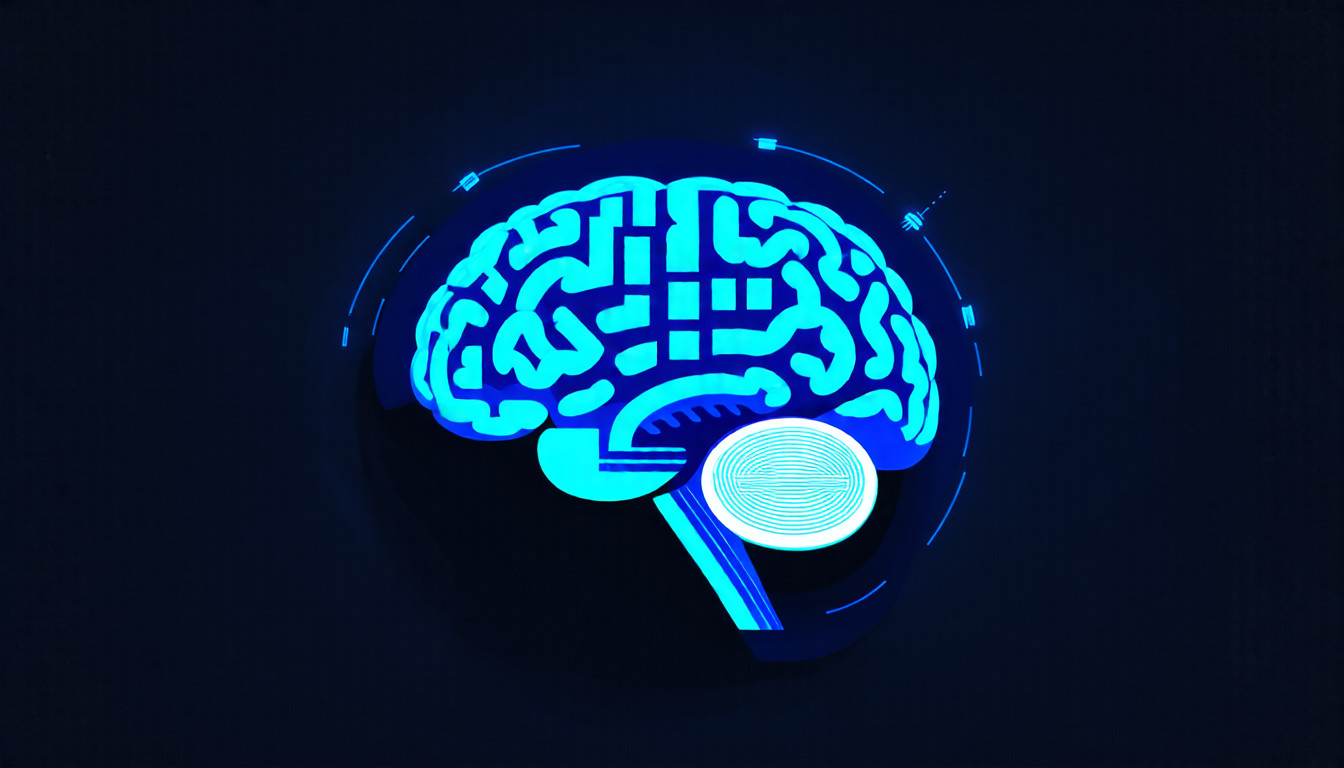
The quest for better brain imaging has long been a challenge in neuroscience. Our current methods, such as functional magnetic resonance imaging (fMRI) and electroencephalography (EEG), provide valuable insights into brain activity, but they’re limited by their own technical constraints. For instance, EEG is sensitive to the scalp’s electrical activity, but it struggles to penetrate deeper into the brain. Meanwhile, fMRI can map blood flow in the brain, but its spatial resolution is often too low to pinpoint specific neural circuits.
In recent years, a new approach has emerged: Bayesian approximation error (BAE) modeling. This method uses advanced math and machine learning techniques to reconstruct brain activity from imperfect measurements. BAE models account for the noise and errors inherent in our imaging tools, allowing researchers to extract more accurate information about brain function.
A team of scientists has now pushed this approach further by applying it to a specific problem: estimating skull conductivity in EEG-based source imaging. Skull conductivity is crucial for accurately localizing brain activity using EEG data. However, it’s notoriously difficult to measure directly, as the skull acts like a shield, scattering electrical signals in unpredictable ways.
The researchers developed a BAE model that incorporates prior knowledge about the skull’s conductivity and the EEG measurements themselves. This model allowed them to estimate the skull’s conductivity with unprecedented accuracy, even when the data was noisy or incomplete.
But here’s where things get really interesting: the team didn’t stop at simply estimating skull conductivity. They also used their BAE model to improve the overall quality of EEG-based source imaging. By incorporating the estimated skull conductivity into the imaging process, they were able to produce more accurate maps of brain activity and even identify specific neural circuits involved in various cognitive tasks.
The implications are significant. With better skull conductivity estimates, researchers can now focus on understanding the underlying neural mechanisms of brain function, rather than wrestling with noisy data. This could lead to breakthroughs in diagnosing and treating neurological disorders, such as epilepsy or Alzheimer’s disease.
The BAE approach also has broader applications beyond neuroscience. It can be used in other fields where imperfect measurements are a challenge, such as medical imaging, materials science, or even astronomy. The potential for improving our understanding of the world around us is vast.
In this sense, the development of BAE modeling represents a significant step forward in the quest to better understand brain function and improve human health.
Cite this article: “Cracking the Code: Advances in Brain Imaging with Bayesian Approximation Error Modeling”, The Science Archive, 2025.
Brain Imaging, Functional Magnetic Resonance Imaging, Electroencephalography, Bayesian Approximation Error, Skull Conductivity, Eeg-Based Source Imaging, Neural Circuits, Cognitive Tasks, Neurological Disorders, Machine Learning.