

Thursday 13 March 2025
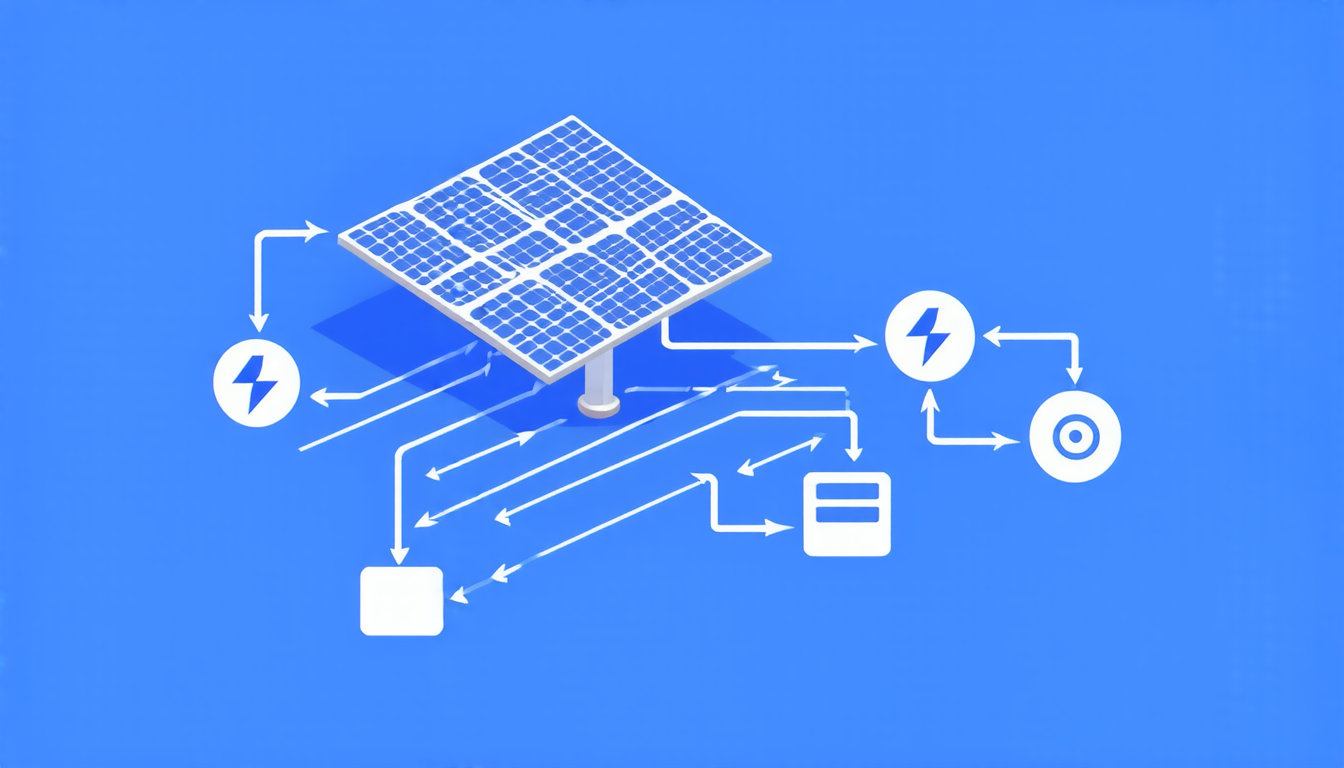
The study of photovoltaic inverters, which convert DC power from solar panels into AC power for the grid, has taken a significant leap forward with the introduction of Power-Hardware-in-the-Loop (PHIL) testing systems. These innovative systems simulate real-world grid conditions, allowing researchers to evaluate inverter performance under realistic scenarios.
Traditionally, photovoltaic inverters have been tested using ideal voltage sources, which neglect the complex feedback interactions between the inverter and the grid. This approach has led to a lack of understanding regarding how inverters behave during faults, such as short-circuit events or voltage drops. In reality, these events can cause significant instability in the grid, but PHIL testing systems now provide a more accurate picture of inverter performance.
The study tested four photovoltaic inverters from different manufacturers, evaluating their ability to ride through faults and maintain stability during weak grid conditions. The results showed that while all four inverters passed traditional ideal voltage source tests with flying colors, the PHIL testing system exposed significant instabilities and vulnerabilities in each device.
One of the key findings was that even the most advanced inverters struggled to maintain stability under dynamic grid conditions. In one scenario, an inverter’s output current oscillated wildly after a fault cleared, highlighting the importance of robust control algorithms.
The study also demonstrated the value of PHIL testing in identifying potential issues early on. By simulating real-world grid scenarios, researchers can pinpoint weaknesses in inverter design and optimize their performance before deployment.
The implications of this research are significant. As the share of renewable energy sources increases, the stability of the grid relies heavily on the performance of photovoltaic inverters. PHIL testing systems provide a critical tool for ensuring that these devices can meet the demands of a dynamic and complex grid.
In addition to its practical applications, the study highlights the importance of interdisciplinary collaboration between researchers from various fields. The development of PHIL testing systems required expertise in power electronics, control theory, and electrical engineering, demonstrating the value of cross-disciplinary research.
As the energy landscape continues to evolve, it is essential that photovoltaic inverters are designed with the complexities of real-world grid conditions in mind. By adopting PHIL testing systems, researchers can ensure that these devices meet the demands of a rapidly changing energy market.
Cite this article: “PHIL Testing Systems Revolutionize Photovoltaic Inverter Evaluation”, The Science Archive, 2025.
Photovoltaic Inverters, Power-Hardware-In-The-Loop, Testing Systems, Grid Stability, Renewable Energy Sources, Power Electronics, Control Theory, Electrical Engineering, Interdisciplinary Research, Cross-Disciplinary Collaboration, Energy Landscape.





