

Thursday 13 March 2025
Researchers have long been fascinated by the potential of generative models to produce realistic images that can be used for a wide range of applications, from art and entertainment to education and research. However, these models often struggle to generate diverse and varied views of an object or scene, which is essential for tasks such as image classification and segmentation.
In recent years, researchers have developed various techniques to improve the diversity and quality of generated images, including the use of adversarial networks, self-supervised learning, and data augmentation. However, these approaches often require large amounts of training data and computational resources, which can be a significant limitation for many applications.
A new approach has been proposed that uses a combination of generative models and contrastive learning to generate diverse and realistic views of an object or scene. The key insight behind this approach is that the diversity of generated images can be improved by using a contrastive loss function that encourages the model to generate images that are similar to the original image, but with different attributes.
The proposed approach uses a generative model to produce an initial image, and then applies a series of transformations to the image to generate diverse views. The transformations include cropping, flipping, and color jittering, among others. The generated images are then used as input to a contrastive learning framework that encourages the model to generate images that are similar to the original image.
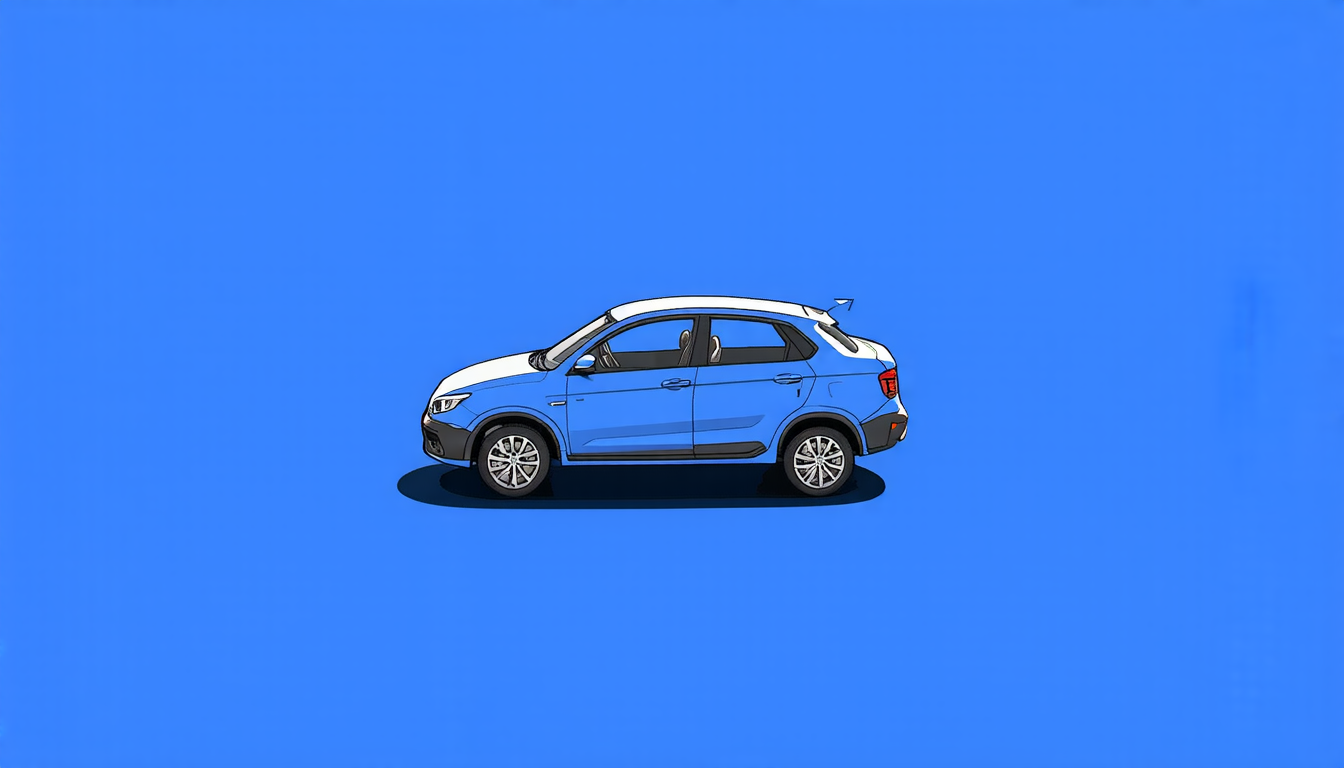
The results of this approach are impressive, with the generated images showing high quality and diversity. For example, the authors were able to generate a wide range of views of a car, including different angles, lighting conditions, and background scenes. The generated images were also evaluated using a variety of metrics, including the mean average precision (MAP) and the peak signal-to-noise ratio (PSNR), which showed that the approach was effective in generating high-quality images.
The proposed approach has several potential applications in various fields. For example, it could be used to generate realistic training data for image classification models, which would help to improve their performance and robustness. It could also be used to generate synthetic data for a wide range of applications, including medical imaging, autonomous vehicles, and robotics.
Overall, the proposed approach represents an important step forward in the development of generative models that can produce diverse and realistic views of an object or scene. Its potential applications are vast, and it has the potential to make a significant impact on many fields.
Cite this article: “Generating Diverse and Realistic Images with Contrastive Learning”, The Science Archive, 2025.
Generative Models, Image Generation, Contrastive Learning, Diversity, Realism, Image Classification, Segmentation, Adversarial Networks, Self-Supervised Learning, Data Augmentation.





