

Thursday 13 March 2025
A team of researchers has made a significant breakthrough in understanding the intricacies of droplet formation during inkjet printing, a process crucial for producing high-quality prints and electronics. By analyzing the behavior of tiny droplets as they are ejected from a nozzle, scientists have gained valuable insights into how to optimize the production of uniform drops.
The study focused on the three-voltage pulse scheme, a common method used in inkjet printing. This technique involves applying a combination of electrical pulses to a piezoelectric material within the nozzle, which causes the droplet to form and detach from the nozzle. By manipulating these pulses, researchers can control the size, shape, and velocity of the resulting drops.
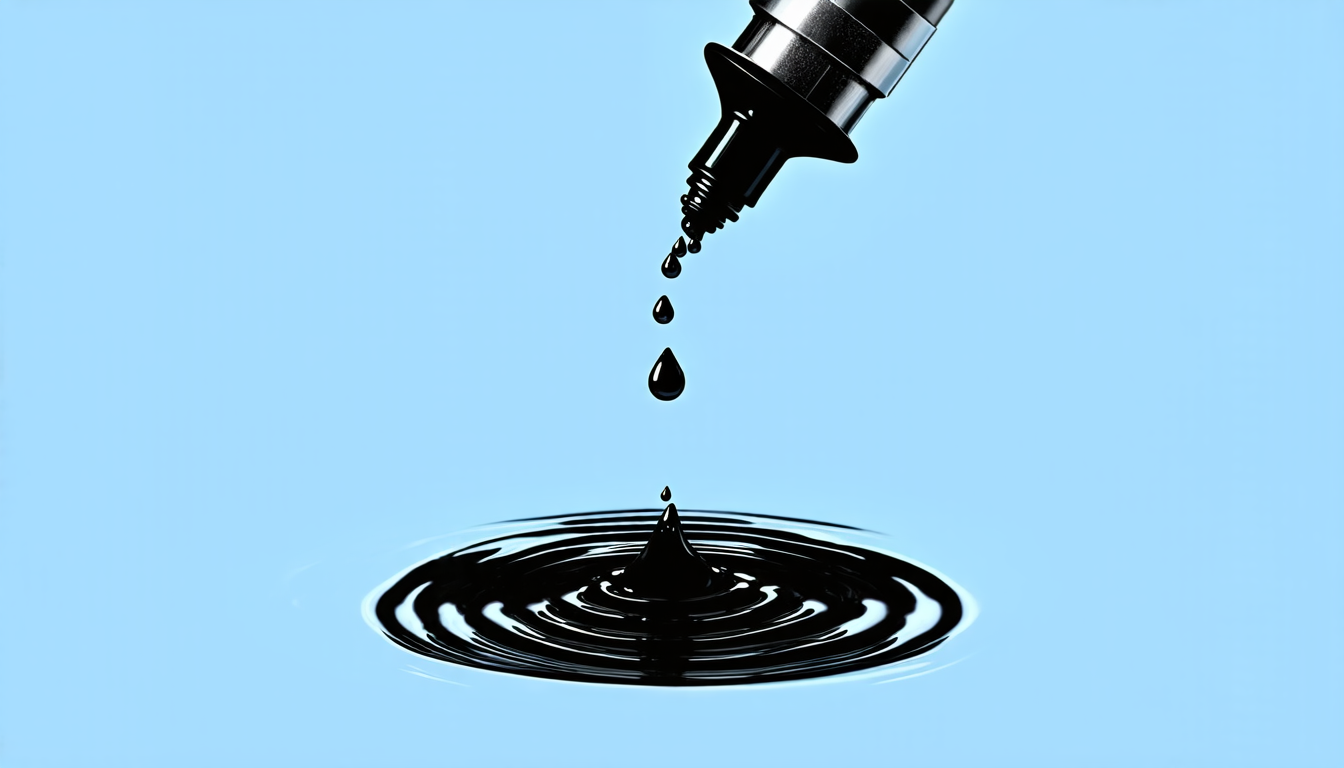
The team used advanced imaging techniques to capture high-resolution images of the droplets as they formed and fell through the air. These images revealed a complex dance of fluid dynamics at play, with tiny whirlpools and eddies influencing the shape and trajectory of the drops.
Through careful analysis of these images, researchers were able to identify key factors that affect the formation of uniform drops. They found that the duration and amplitude of the electrical pulses applied to the nozzle have a significant impact on the size and shape of the resulting droplets. Additionally, the team discovered that the distance between the nozzle and the surface onto which the drops fall also plays a crucial role in determining the final shape of the printed material.
These findings have important implications for the development of high-quality inkjet printers and other devices that rely on precise drop formation. By optimizing the pulse scheme and nozzle design, manufacturers can produce prints with improved resolution, consistency, and durability.
The research also has potential applications beyond printing, such as in fields like medicine and biology. For example, scientists could use this technology to create tiny droplets of medication or biological samples for further study.
Overall, this study represents a significant step forward in understanding the intricacies of droplet formation during inkjet printing. By unlocking the secrets of this complex process, researchers can develop new technologies that have far-reaching implications for fields ranging from electronics and medicine to biology and beyond.
Cite this article: “Unlocking the Secrets of Droplet Formation in Inkjet Printing”, The Science Archive, 2025.
Inkjet Printing, Droplet Formation, Fluid Dynamics, Piezoelectric Material, Electrical Pulses, Nozzle Design, Pulse Scheme, Drop Size, Resolution, Durability





