
Thursday 13 March 2025
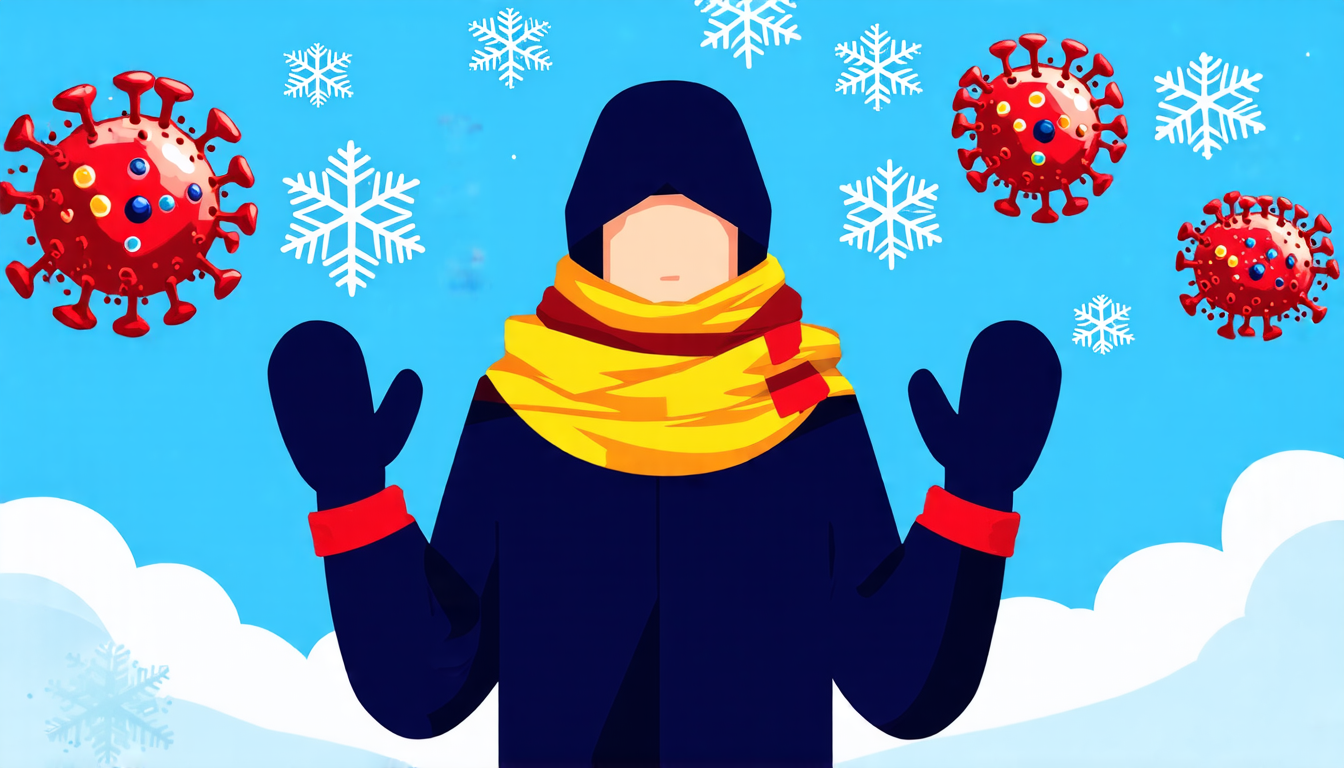
Scientists have long been fascinated by the mysterious connection between climate and influenza. Why do flu outbreaks seem to follow seasonal patterns, and how do atmospheric conditions influence the spread of the virus? A new study sheds light on these questions by analyzing the relationship between weather, social behavior, and influenza transmission.
The researchers used a novel approach called the Seasonality Index, which combines data from meteorological stations with information about human behavior. By examining the interactions between temperature, humidity, and population density, they were able to identify specific patterns that contribute to the spread of the flu.
One key finding is that influenza outbreaks tend to peak during periods of low temperatures and high humidity. This makes sense, as these conditions are conducive to the survival and transmission of the virus. However, the study also reveals that there’s more to the story than just weather patterns. Social behavior plays a significant role in shaping the spread of the flu.
For example, the researchers found that people are more likely to interact with each other during periods of cold weather, which increases the chances of transmission. Additionally, they discovered that certain social behaviors, such as attending festivals or celebrations, can also contribute to the spread of the virus.
The study’s authors used a combination of statistical models and machine learning algorithms to analyze their data. They found that incorporating social behavior into their model improved its accuracy by up to 20%. This suggests that taking into account human factors is crucial for developing effective strategies to combat the flu.
So what does this mean for public health officials? The study’s findings could be used to inform policies and interventions aimed at reducing the spread of the virus. For instance, targeted public awareness campaigns or social distancing measures might be implemented during periods of high transmission risk.
The researchers also explored the impact of climate change on influenza transmission. They found that rising temperatures are likely to alter the patterns of flu outbreaks in certain regions. This is because warmer weather can reduce the survival rate of the virus and make it less likely for people to interact with each other outdoors.
While the study’s findings are fascinating, there are still many unanswered questions about the relationship between climate and influenza. Further research is needed to fully understand how these factors interact and how they might change in response to global warming.
In a world where flu outbreaks can have devastating consequences, any insight into the virus’s behavior is valuable. By combining meteorological data with information about human behavior, scientists are one step closer to developing effective strategies for mitigating the impact of influenza pandemics.
Cite this article: “Unraveling the Mystery of Seasonal Flu Outbreaks: How Weather and Human Behavior Contribute to Influenza Transmission”, The Science Archive, 2025.
Influenza, Climate, Weather, Social Behavior, Transmission, Temperature, Humidity, Population Density, Machine Learning, Public Health