

Thursday 13 March 2025
A new approach to predicting power flow in electrical grids has been developed, which could lead to more efficient and reliable energy distribution. The method uses machine learning algorithms to analyze data from sensors and other sources, allowing it to better capture the complex interactions between different parts of the grid.
The traditional way of predicting power flow is based on simplifying assumptions about how the system behaves. However, this can lead to inaccuracies and make it difficult to plan for changes in demand or supply. The new approach takes a more nuanced view, recognizing that real-world grids are subject to random fluctuations and unpredictable events.
To develop their method, researchers used data from sensors and other sources to train machine learning algorithms to identify patterns in the grid’s behavior. They then tested these algorithms against simulations of different scenarios, including changes in demand or supply.
The results showed that the new approach was able to accurately predict power flow even in situations where traditional methods would have struggled. This could lead to significant improvements in energy distribution, as utilities and grid operators can better plan for future needs and respond to unexpected events.
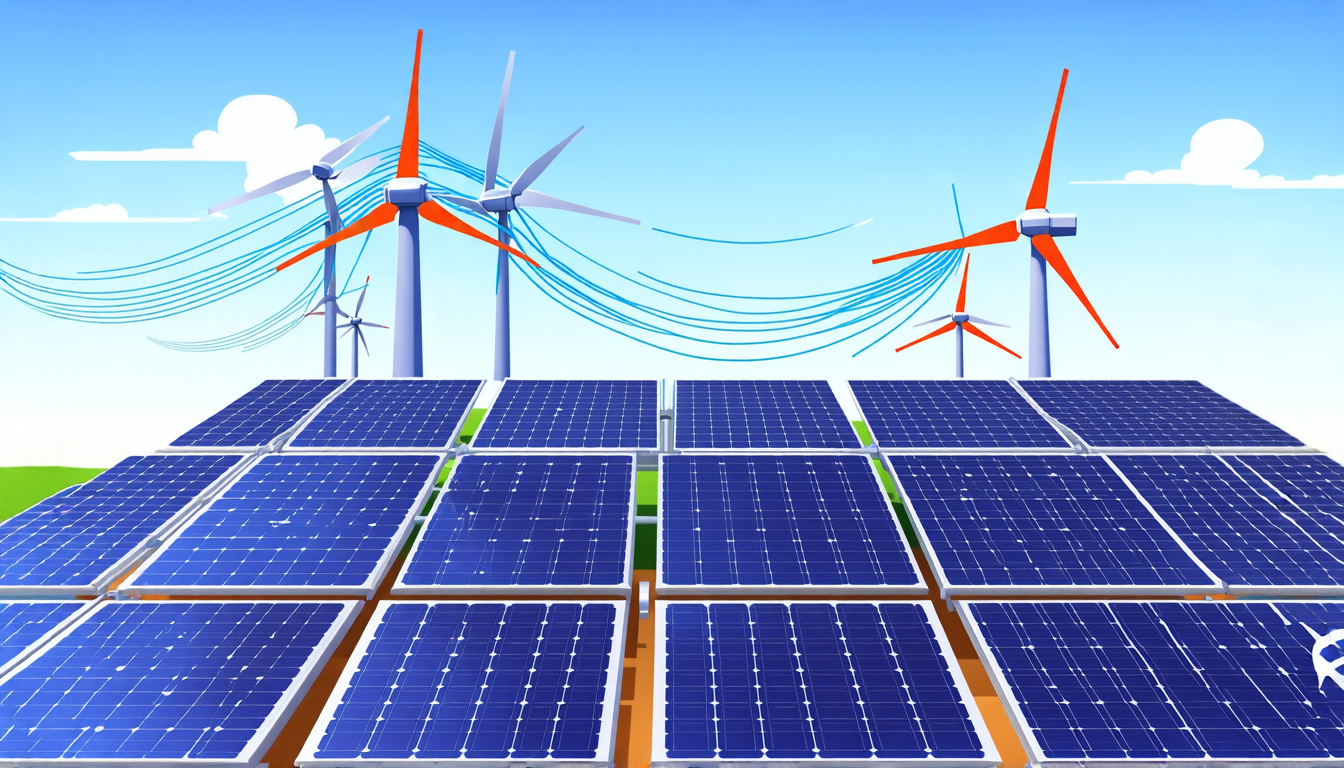
One potential benefit of this technology is its ability to help integrate renewable energy sources into the grid. As more solar panels and wind turbines are installed, it’s becoming increasingly important to manage the variable output of these sources. The new approach could help predict when and where they can be relied upon to meet demand, reducing the need for fossil fuels.
Another potential application is in helping utilities plan for peak demand periods. By accurately predicting power flow, grid operators can better anticipate when and where additional generation or transmission capacity will be needed, allowing them to make more informed decisions about infrastructure upgrades and maintenance.
The technology is still in its early stages, but the potential benefits are significant. If successful, it could help pave the way for a more efficient, reliable, and sustainable energy future.
Cite this article: “Machine Learning Predicts Power Flow in Electrical Grids with Greater Accuracy”, The Science Archive, 2025.
Machine Learning, Power Flow, Electrical Grids, Energy Distribution, Sensors, Renewable Energy, Forecasting, Grid Management, Peak Demand, Prediction





