

Friday 14 March 2025
The quest for flexible electronics has been a long and arduous one, with researchers striving to create devices that can bend and twist without losing their functionality. Now, scientists have made a significant breakthrough in this area, developing a technique that allows them to integrate single-crystalline MoS2 onto flexible substrates.
MoS2 is a type of transition metal dichalcogenide (TMDC) that has been hailed as a potential game-changer for electronics due to its exceptional mechanical and electrical properties. However, traditional wet-transfer processes have often introduced surface contamination, degrading the performance of these devices.
The new technique, published in Nature Electronics, uses a high-k dielectric oxide as a transfer medium, eliminating contact with polymers or solvents that can compromise the integrity of the MoS2 material. By doing so, researchers have been able to create flexible field-effect transistors (FETs) that exhibit remarkable performance.
The fabricated FET arrays demonstrated a mobility of 117 cm²/V·s, subthreshold swing of 68.8 mV dec-1, and an ultra-high current on/off ratio of 1012 – values comparable to those achieved on rigid substrates. This is a significant achievement, as it suggests that the flexible devices can maintain their functionality even when subjected to various strains.
The implications of this breakthrough are far-reaching. For instance, the development of flexible electronics could enable the creation of wearable technology and implantable devices that can be integrated seamlessly into our daily lives. Furthermore, the ability to integrate MoS2 onto flexible substrates opens up new possibilities for the fabrication of flexible sensors, displays, and other electronic components.
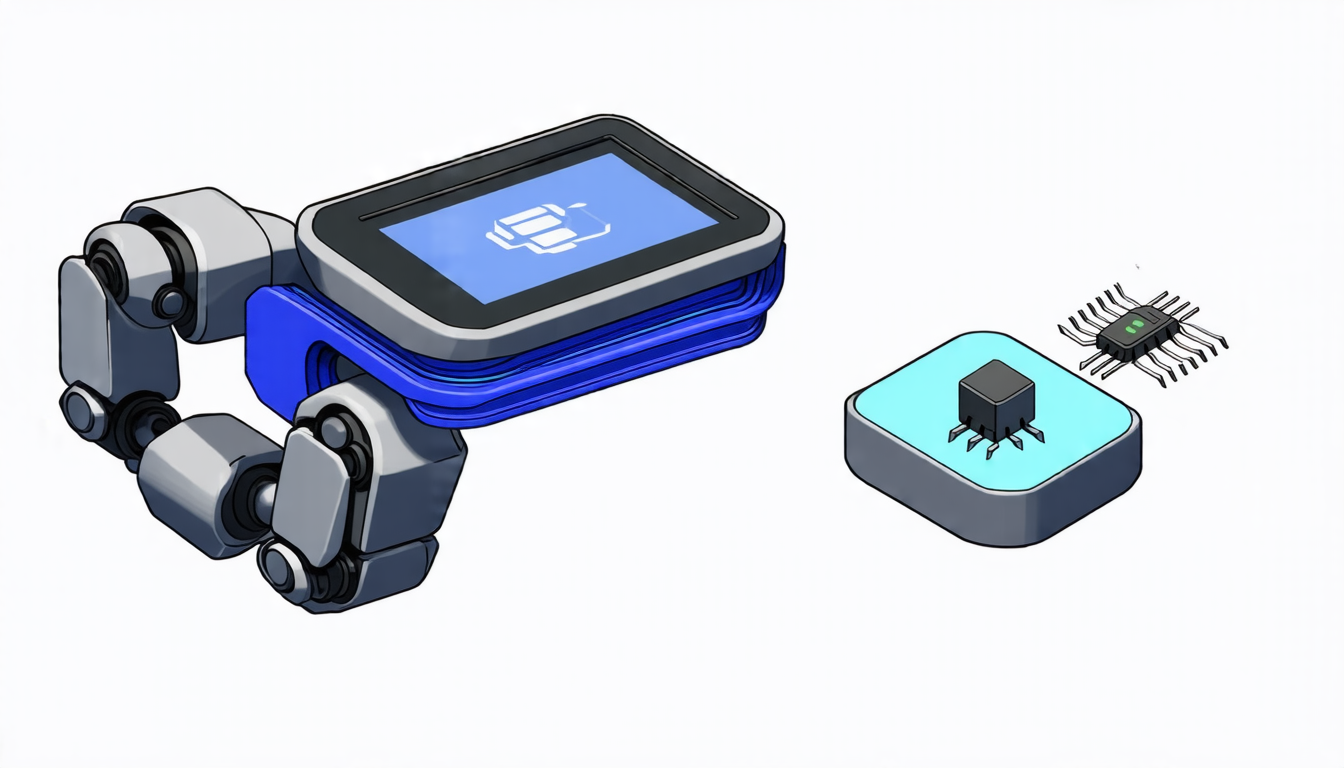
One potential application of this technology is in the development of tactile sensing systems. By integrating active-matrix FET arrays onto a robotic gripper, researchers have been able to enable real-time object identification. This could have significant implications for fields such as robotics and healthcare, where precise control over devices is critical.
While there are still many challenges to overcome before this technology can be widely adopted, the progress made by scientists in this area is undeniable. The ability to integrate single-crystalline MoS2 onto flexible substrates represents a major milestone in the pursuit of flexible electronics, and it will likely pave the way for further innovation in this field.
In future developments, researchers may look to further optimize the transfer process, potentially using even more advanced materials or techniques to improve the performance of these devices.
Cite this article: “Flexible Electronics Breakthrough: MoS2 Integration on Flexible Substrates”, The Science Archive, 2025.
Flexible Electronics, Mos2, Transition Metal Dichalcogenide, Tmdc, Field-Effect Transistors, Fets, Wearable Technology, Implantable Devices, Tactile Sensing Systems, Robotics, Healthcare.





