

Friday 14 March 2025
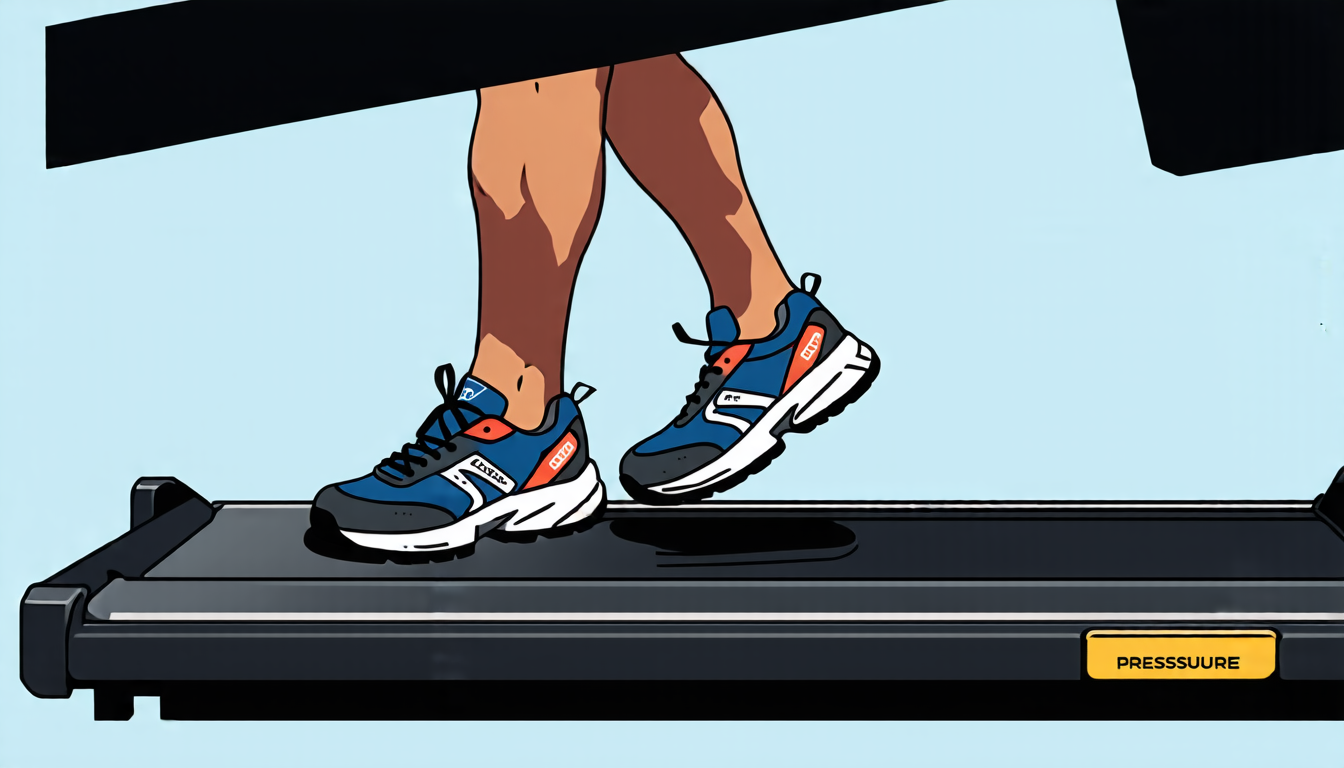
The study of human movement, particularly gait analysis, has long been a crucial aspect of understanding various aspects of human health and performance. By examining how individuals walk, researchers can gain valuable insights into potential issues such as foot pain, imbalances in gait, and the progression of diseases. One significant tool in this field is the pressure sensor, which plays a pivotal role in understanding the dynamics of human movement.
In recent years, flexible pressure sensors have gained popularity due to their ability to be integrated into wearable devices and soft materials, making them ideal for applications such as monitoring plantar pressure. These sensors are capable of detecting subtle changes in pressure, allowing researchers to analyze gait patterns with unprecedented accuracy.
The study discussed here focuses on the design and fabrication of a flexible pressure sensor using Ecoflex/Graphene composites. The sensor is designed to be soft and comfortable, making it suitable for use in shoe soles or other wearable devices. The sensor’s behavior is negative piezoresistive, meaning that its resistance decreases as the pressure increases.
The researchers integrated five sensors into a shoe sole: one at the forefoot and four at the midfoot and heel. These sensors were connected to an ESP32 microcontroller, which wirelessly transmitted data to a laptop or smartphone. A dedicated graphical user interface was designed to read and analyze the data in real-time.
The significance of this study lies in its potential applications in gait analysis and rehabilitation. By providing accurate and real-time data on plantar pressure, healthcare professionals can better diagnose and treat conditions such as foot pain and neuromotor diseases. Additionally, the sensor’s integration into wearable devices could enable continuous monitoring of gait patterns, allowing for more effective rehabilitation strategies.
The fabrication process involved molding and casting techniques to create a thin film Ecoflex/Graphene composite sandwiched between copper electrodes. The sensors were then embedded in a soft and comfortable shoe sole, which was designed to mimic the natural contours of the human foot.
The study’s results demonstrate the potential of flexible pressure sensors for gait analysis and rehabilitation. The sensors’ high sensitivity and accuracy allow for precise monitoring of plantar pressure, making them an ideal tool for healthcare professionals. Furthermore, the sensor’s integration into wearable devices could enable continuous monitoring of gait patterns, allowing for more effective rehabilitation strategies.
In addition to their potential applications in gait analysis and rehabilitation, flexible pressure sensors also have implications for other fields such as robotics and prosthetics.
Cite this article: “Flexible Pressure Sensors for Gait Analysis and Rehabilitation”, The Science Archive, 2025.
Gait Analysis, Flexible Pressure Sensor, Wearable Devices, Plantar Pressure, Ecoflex/Graphene Composites, Negative Piezoresistive, Microcontroller, Real-Time Data, Rehabilitation, Neuromotor Diseases.





