
Friday 14 March 2025
The quest to pinpoint the source of a seizure has long been a challenge for neurologists and researchers. For decades, medical professionals have relied on invasive methods such as electroencephalography (EEG) and functional magnetic resonance imaging (fMRI) to locate the epicentre of an epileptic episode. However, these techniques often require patients to undergo lengthy hospital stays and can be painful and uncomfortable.
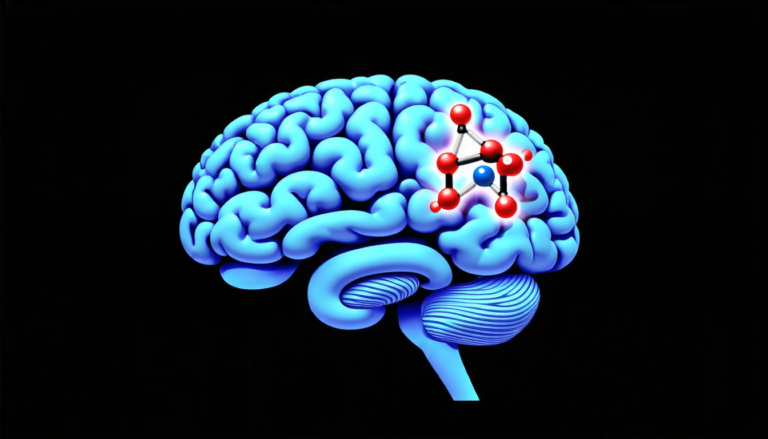
A new study has shed light on a more efficient and less invasive approach to identifying the source of a seizure. Researchers have developed a novel method that combines EEG and fMRI data to pinpoint the location of an epileptic focus with unprecedented accuracy.
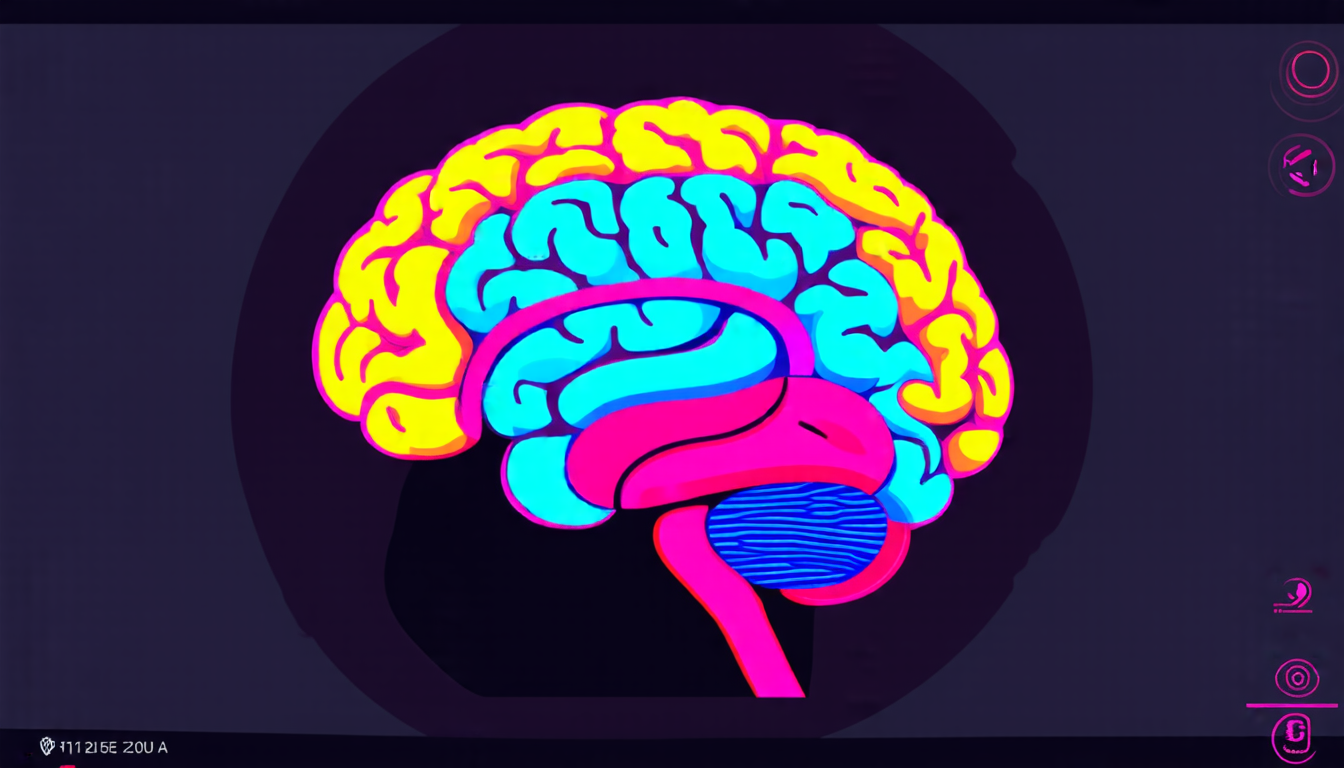
The innovative technique, known as spatio-temporal independent component analysis (ST-ICA), uses advanced algorithms to separate the complex signals detected by EEG and fMRI into distinct components. By analyzing these components, researchers can identify the specific regions of the brain that are responsible for generating a seizure.
In this study, 13 patients with temporal lobe epilepsy underwent both EEG and fMRI scans during a period of seizure activity. The researchers then applied ST-ICA to the combined data, using it to pinpoint the location of an epileptic focus in each patient.
The results were impressive: all 13 patients showed clear signs of an epileptic focus on the resected area after surgery, with 12 of them experiencing complete seizure freedom. This suggests that the method is highly effective in identifying the source of a seizure and could potentially revolutionize the way epilepsy is treated.
One of the key advantages of ST-ICA is its ability to capture subtle changes in brain activity that may be missed by traditional methods. By analyzing the complex patterns of neural activity detected by EEG and fMRI, researchers can gain a more nuanced understanding of how seizures arise and propagate through the brain.
The study also highlights the potential for non-invasive testing to become a standard tool in epilepsy diagnosis. With ST-ICA, patients could undergo a single session of EEG-fMRI scanning, followed by a quick analysis to pinpoint the source of their seizures. This would not only improve patient outcomes but also reduce healthcare costs and alleviate the need for lengthy hospital stays.
The researchers’ findings have significant implications for the treatment of epilepsy, a condition that affects millions of people worldwide. By developing more effective and less invasive methods for identifying seizure foci, medical professionals can provide better care for patients and potentially develop new treatments tailored to individual needs.
Cite this article: “Breakthrough in Seizure Diagnosis: New Method Combines EEG and fMRI for Unprecedented Accuracy”, The Science Archive, 2025.
Epilepsy, Seizures, Eeg, Fmri, St-Ica, Neurology, Brain Activity, Epilepsy Diagnosis, Non-Invasive Testing, Treatment.